
Halt and Catch Fire's Trailblazing Queer Representation
It was always people for Joe, and he ultimately found them at the end of a long, painful, yet illuminating quest for self-discovery outside of one, confident constant - his bisexuality.
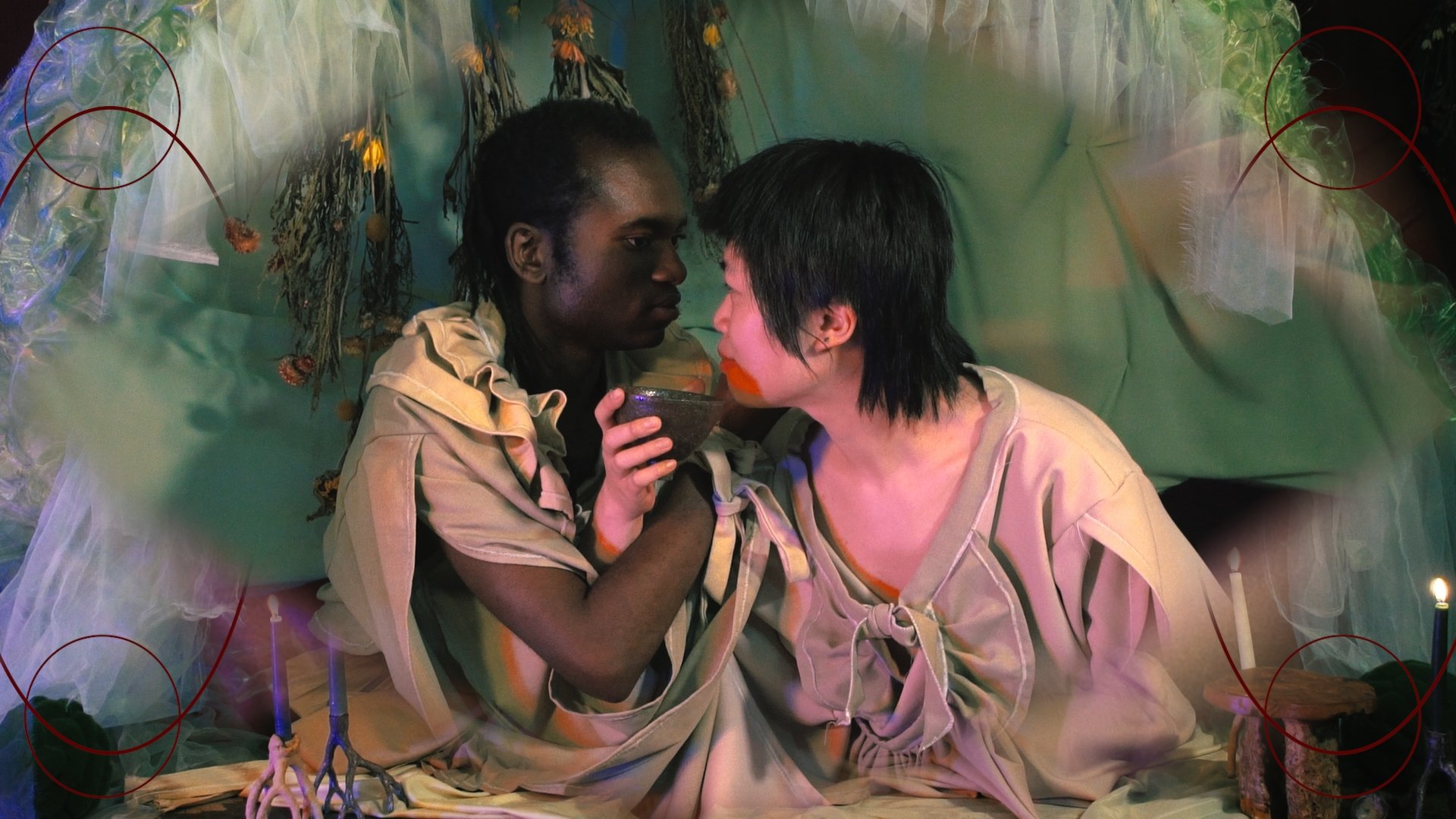
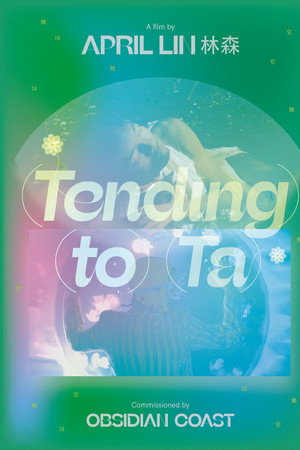


An interdimensional correspondence between two beings sharing queer kinship and rooted in ‘ta’, the monosyllabic sound which in Mandarin Chinese encompasses all third person pronouns: 他 (third person male), 她 (third person female), and 它 (more-than-human lifeforms and objects). This experimental, narrative-led speculative fiction follows an exchange of internal letters between two protagonists who imagine one another across parallel dimensions. Each communicates to an envisioned other, who exists as a possibility beyond their self-perceived boundaries of reality, and these two beings meet in a shared world of imagination. In this reciprocal reach for the unknown, a world that bears an uncanny resemblance to our contemporary reality – colonised by Western capitalist constructs of race, gender and class, and characterised by a collective distance from Ta – opens a portal to another realm.
It was always people for Joe, and he ultimately found them at the end of a long, painful, yet illuminating quest for self-discovery outside of one, confident constant - his bisexuality.
We all have our kinks and fetishes and what turns us on the most. Dog Lover details a serious (and at times unhealthy) look at a fetish that might go a little too far.
Endgame not only did not drop the ball, but it delivered for fans so much that it went on to become the highest-grossing movie of all time!
This documentary moves chronologically through Black representation in horror films, revealing the genre's connections to Black history.
Outer Banks (2020-) knows its audience: young adults in a country that can’t stop romanticizing good ole’ treasure hunts. Add a little of Riverdale’s (2017-) sex appeal, and no one can look away. Forty years after The Goonies (1985) America’s consciousness hasn’t strayed from the same tropes: treasure hunts, a vulnerable white male lead, and the whitewashing of a racially segregated setting.
“Reboot” is crass and sometimes incoherent, and has much room to improve, but with investments of time and care, could flower out of the seed of a vision.