Incluvie – Better diversity in movies.
Identity in film with Incluvie stamps, scores, reviews.

Incluvie – Better diversity in movies.
Explore identity in film with Incluvie stamps, scores, reviews, and insights.

trailer banner
Tchaikovsky: Sleeping Beauty poster

Tchaikovsky: Sleeping Beauty 

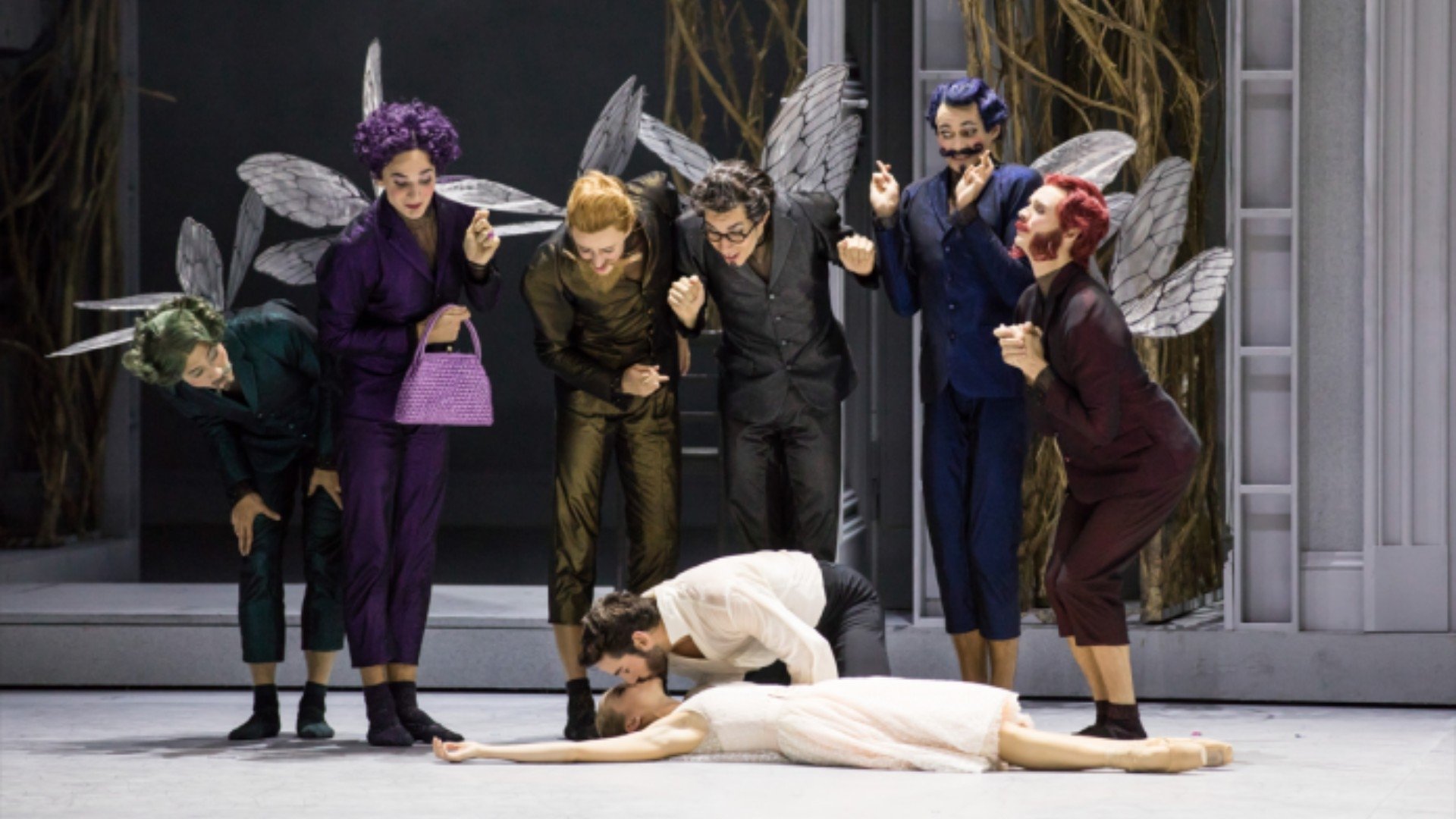
Sleeping Beauty was premiered in St. Petersburg with Tchaikovsky’s immortal music in 1890. In his version for the Ballett Zurich, Christian Spuck revives the classic in his own artistic style. With a great deal of humor, he addresses the complex process of growing up, relating themes such as generational conflicts with one’s parents, the difficulties of becoming a mature adult, and, last but not least, love and sexuality. Whenever possible, he frees the characters from their traditional role cliches. Petipa’s original version becomes a model that Christian Spuck occasionally cites yet repeatedly questions and counteracts with irony and occasionally irritating moments.
- / 5
PopScore
Representation

Pictures and Videos


Incluvie Gala

Movie Information


Sleeping Beauty was premiered in St. Petersburg with Tchaikovsky’s immortal music in 1890. In his version for the Ballett Zurich, Christian Spuck revives the classic in his own artistic style. With a great deal of humor, he addresses the complex process of growing up, relating themes such as generational conflicts with one’s parents, the difficulties of becoming a mature adult, and, last but not least, love and sexuality. Whenever possible, he frees the characters from their traditional role cliches. Petipa’s original version becomes a model that Christian Spuck occasionally cites yet repeatedly questions and counteracts with irony and occasionally irritating moments.

Rating:
Genre:Music
Directed By:Michael Beyer
Written By:
In Theaters:
Box Office:

Runtime:122 minutes
Studio:Accentus Music

Articles You May Like


Who Needs 'Independence Day' When You've Got 'Sorry to Bother You'?

Sorry to Bother You ultimately speaks to the unfair advantages that the country’s power structures award to those with the resources to control others, as Lift’s easy access to the media allows his opinion to be the only one that matters in the eyes of the unsuspecting and easily impressed public. Moreover, it reveals the extent to which the American Dream has any true validity. It postulates how the promise of success and fulfillment as promoted by the American Dream more often than not leads to the undoing of the individual. Interestingly, in its revealing of the American Dream as merely a facade, Sorry to Bother You wisely questions whether or not anything can really be done to undo a system that has been accepted and in action for centuries.
Matt Geiger