


Lady and the Tramp: A Charming Remake
A wholesome love story that's perfect for fans of romance movies and animal lovers.
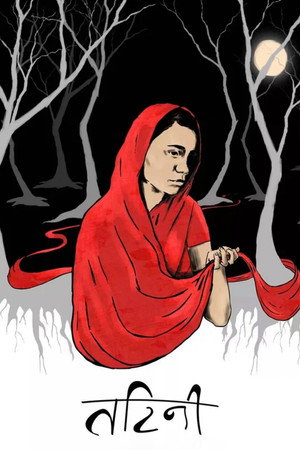


A dead body of a migrant worker arrives in a village of stone workers in southern part of Nepal. Tattini, his recently wed wife and now widow, plans to escape and use the money from his insurance to start a new life but her father-in-law is determined to stop her from leaving with the insurance money of his dead son.
A wholesome love story that's perfect for fans of romance movies and animal lovers.
This side-splitting workplace comedy features a diverse cast and tackles challenging social issues. Other sitcoms should take note.
"Clifford the Big Red Dog" retells the adventures of Emily and her striking puppy to highlight the joy of being different and inspire another wave of young fans.
The sequel to the first film, A Second Chance: Rivals! talks about Maddy combating cyberbullying and racism.
Two movies that do a fantastic job in conveying the ongoing struggle for racial justice are Selma (2014) and Just Mercy (2019).
Of all the many great people that have contributed to Hip-Hop and radio, I was fortunate enough to speak with James Rosseau, founder of The Corelink Solution, a nonprofit that owns and operates Holy Culture Radio.