"Small Talk": An Incluvie Film Festival Review
The most impressive aspect of this film is the honest and natural performances given by the on-screen duo.
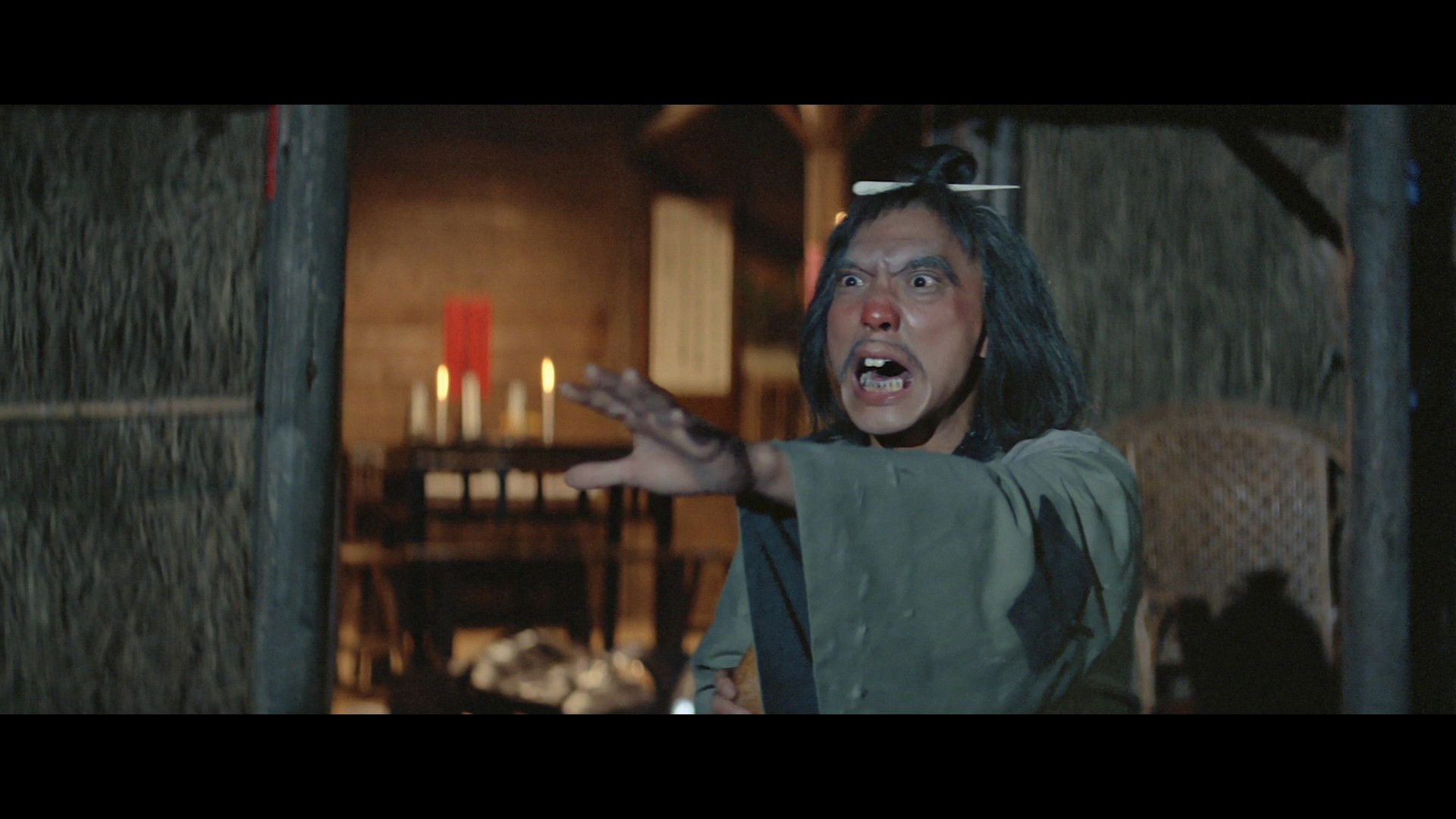



A Taoist priest is ordered to find a Cherry Boy to appease his temple's ancestors. The boy in question is a young man who lives with his grandmother, trying to protect a sacred writ from a bright red, snarling bad guy. And let's just say insanity follows!

Yuen Cheung-Yan
Director

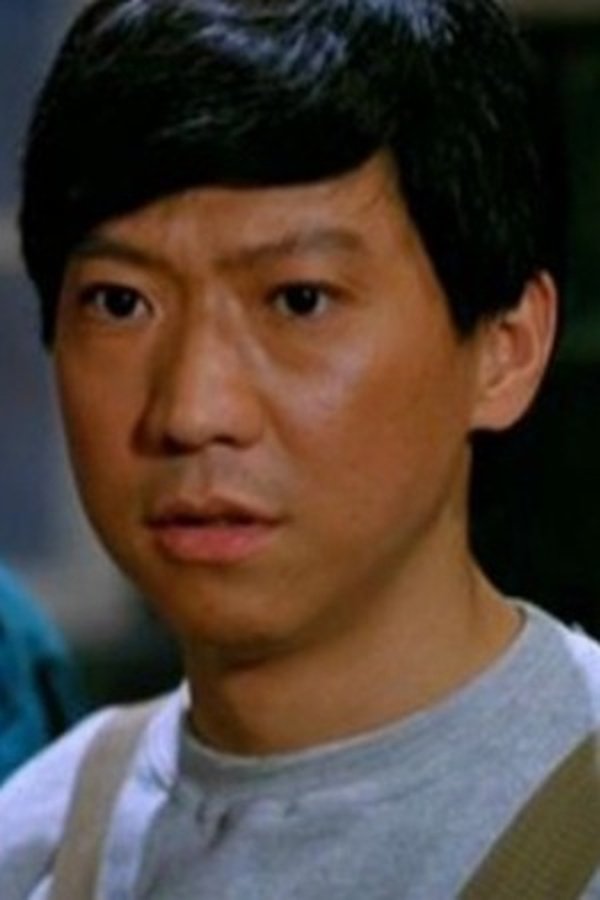
Yuen Yat-Choh
Wu Shun-Chiu
Yuen Cheung-Yan
Chiu's Granny / Drunken Taoist

Chu Hoi-Ling
Shiu Fang

Lo Pi-Ling
Sue Un-Un
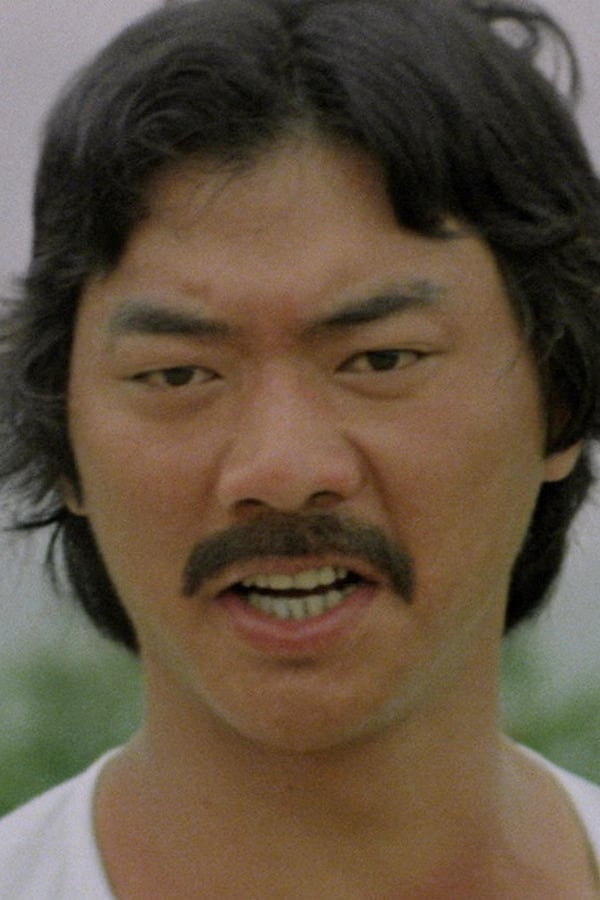
Yuen Shun-Yi
Old Devil aka Master Ruthless

Hilda Liu Hao-Yi
Starry Devil
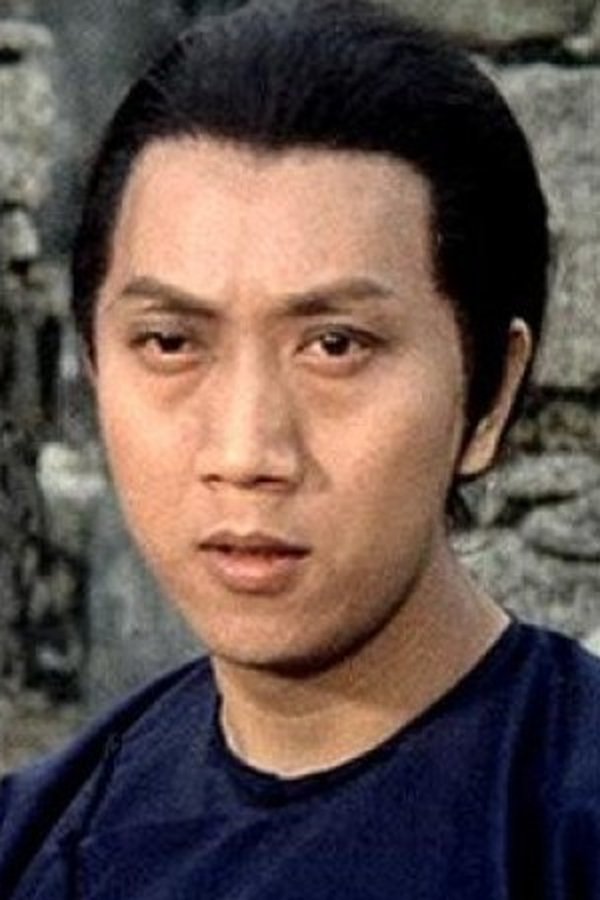
Yen Shi-Kwan
Old Devil's senior brother

Mandy Chan Chi-Man
Starry Devil's assistant

Tsui Oi-Sam
Fatty, Starry Devil's assistant
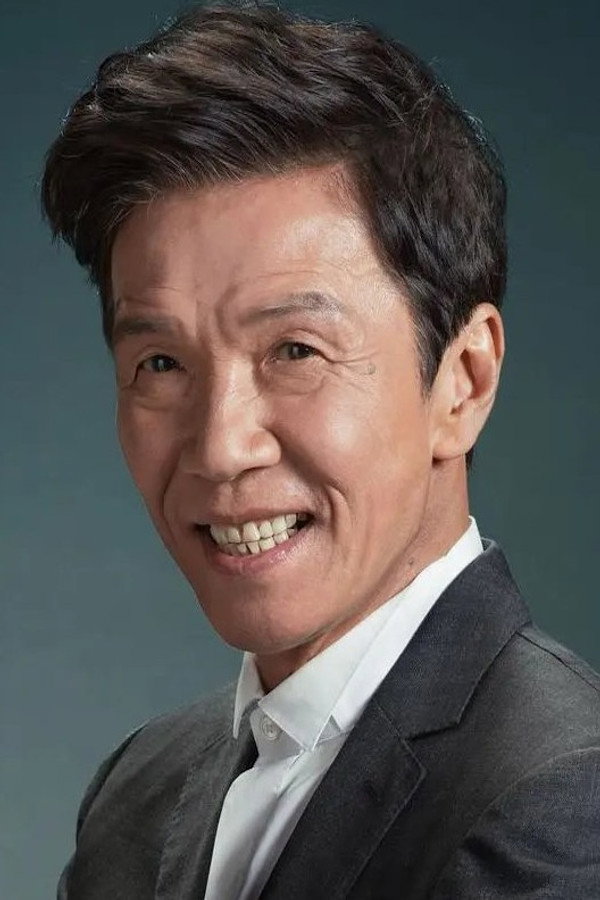
Tai Bo
Mr Pang
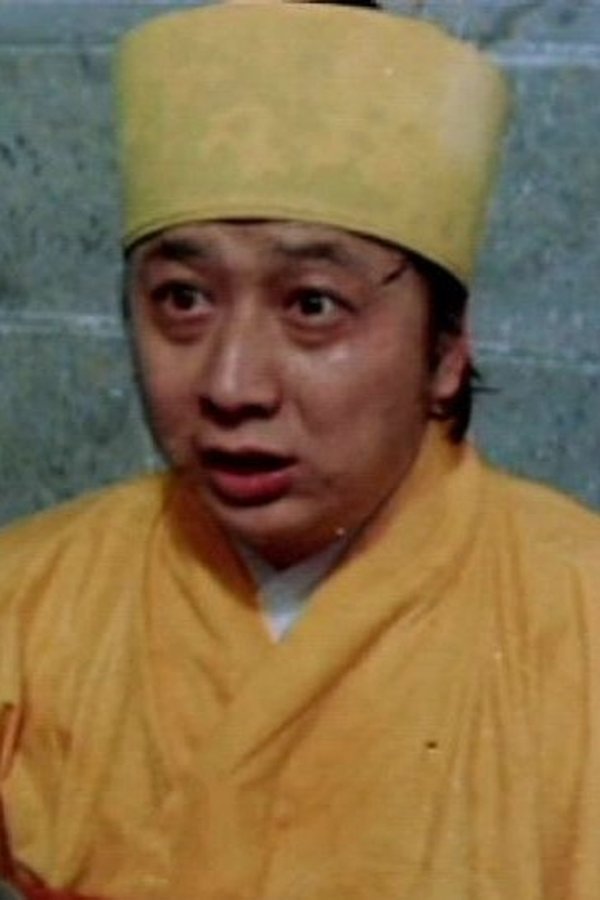
Hoh Tin-Shing
Mountain Dog / Mrs Shou
The most impressive aspect of this film is the honest and natural performances given by the on-screen duo.
'Run This Town' takes an unflinching look at the Rob Ford scandal that shook Toronto to its core while using fictional millennials to drive a concise story .
Hulu's 'Crush' leaves you giddy, light, hopeful, and, yes, all crushed out on the possibility of what? You got it, your next crush.
‘Sexy Beasts’ promotes itself as different from other dating shows as being not appearance-based. This is true to some extent thanks to the special effects makeup. However, looks do still play a role despite the masks.
A brief look at two Barry Jenkins films that have established him as one of the greatest filmmakers of our time.
In the LGBTQ+ holiday rom-com wars, 'Single All The Way' may or may not be the “answer” to 'Happiest Season.'