The True Confessions of an Invisible Girl
The clever but socially-awkward Tetê joins a new school, and she'll do anything to fit in.
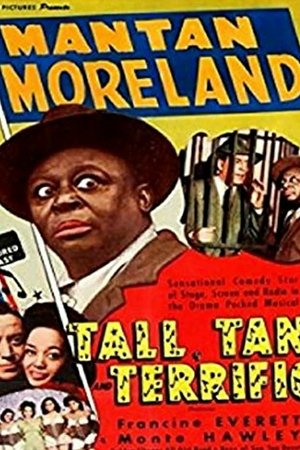


Professional gambler The Duke (Dots Johnson) attempts to cheat Handsome Harry Hansom (Monte Hawley), who owns a successful Harlem nightclub, out of his club and his contract with his lead singer and girlfriend Tall, Tan, and Terrific (Francine Everett). This leads to a murder that is solved by club comic Mantan Moreland and club photographer Butterbeans (Barbara Bradford). But the plot takes little screen time, most of which is devoted to stage acts at the nightclub.

Bud Pollard
Director
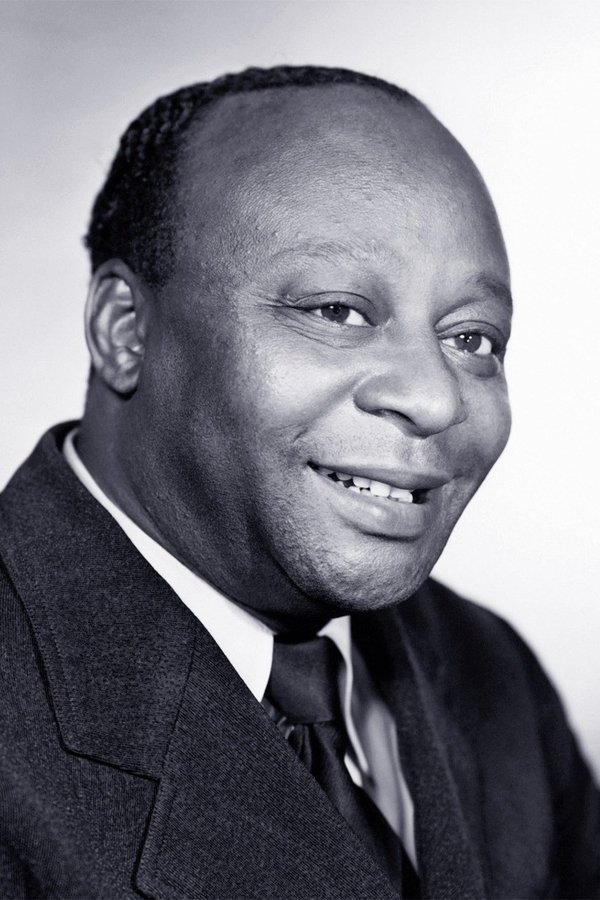
Mantan Moreland
Mantan Moreland
Monte Hawley
'Handsome' Harry Hansom

Francine Everett
Miss Tall, Tan and Terrific
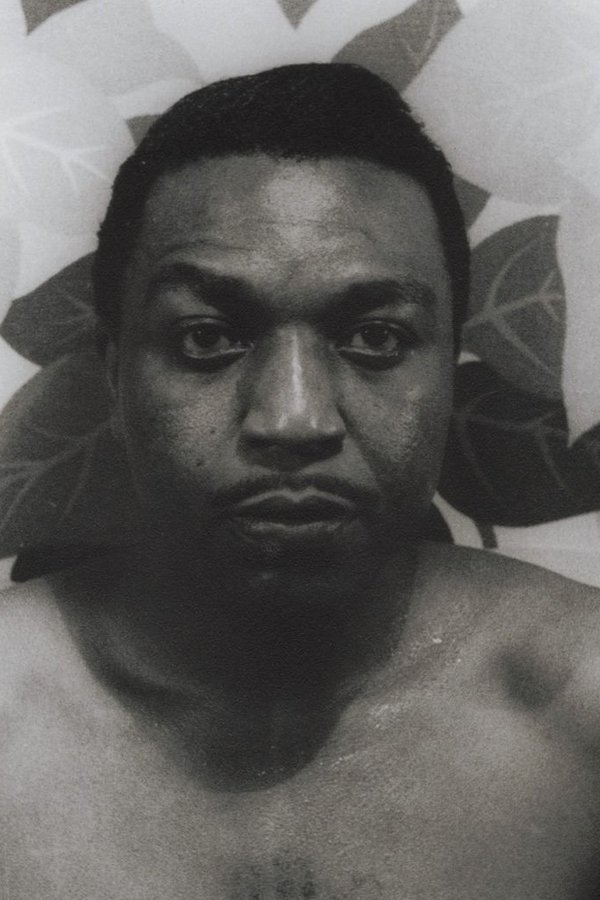
Dots Johnson
The Duke
Rudy Toombs
Lefty Gomez
Barbara 'Butterbeans' Bradford
Club Photographer
Milton Woods
The Master of Ceremonies
Gorgeous Astor Debutantes
Themselves
Thelma Cordero
Lou Swarz
The clever but socially-awkward Tetê joins a new school, and she'll do anything to fit in.
“Reboot” can be crass and has much room to improve, but with investments of time and care, could flower out of the seed of a vision.
Diana’s spirit has taken off, ‘No right, no wrong, no rules for me.’ And in that moment, as she runs on the screen, she gets it, her ‘Let It Go’ moment.
Directed by George Miller, Thunderdome continues to follow the titular character through post-apocalyptic Australia.
Sorry to Bother You ultimately speaks to the unfair advantages that the country’s power structures award to those with the resources to control others, as Lift’s easy access to the media allows his opinion to be the only one that matters in the eyes of the unsuspecting and easily impressed public. Moreover, it reveals the extent to which the American Dream has any true validity. It postulates how the promise of success and fulfillment as promoted by the American Dream more often than not leads to the undoing of the individual. Interestingly, in its revealing of the American Dream as merely a facade, Sorry to Bother You wisely questions whether or not anything can really be done to undo a system that has been accepted and in action for centuries.
Some moments of the series are intense and ends on a cliff-hanger that will have you yearning for a second season.