











Writing Great Villains: Why They Shouldn't Be Sympathetic
Writing great villains is about striking a balance between charming and evil, so we love them but also love to see them lose.

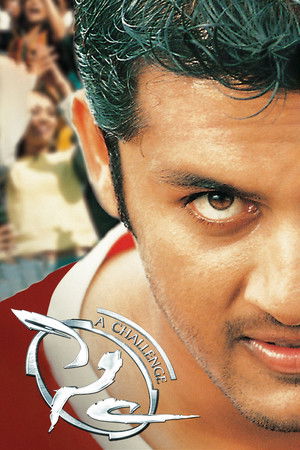


The story is set in the backdrop of a college that is riven by two groups led by Prithvi and Shashank. Though there is nothing malicious between the groups, they just can't see eye to eye on anything. The only thing common between the two are their abiding passion for rugby. Whenever a problem crops between the two, it is usually settled with a bitter scrum on the rugby field. As it happens, the college land falls into the hands of a local dadha Bikshu Yadav. This is good enough reason for the two groups to forge a common identity and fight for the land. Prithvi and Shashank bury the hatchet and get back the land. This is too much of a bitter pill for the dadha to swallow. And so he dares the students for a rugby match with his own group.
Writing great villains is about striking a balance between charming and evil, so we love them but also love to see them lose.
KIMI is the main character of this film and as much as I wish it was Angela Childs played by Zoe Kravitz, it isn't. KIMI is a smart device that works not unlike Amazon's Alexa and Google's Nest assisting in anything from home purchases to music playing all under the guise of only activating when in use.
A short film that begins with the language of romance but slowly reveals something far more unsettling beneath the surface.
The intrepid archaeologist's latest adventure is an exciting, nostalgia-driven exploration of clashing ideologies amid ever-changing social dynamics and technological advancements.
Gretel & Hansel falters due to its razor thin story and lack of characterization. It loses sight of horror’s key rule: In order to create an effective tale, characters and emotions must be emphasized.
Let it Snow in a nutshell, is a warmhearted coming of age teen Christmas movie.