





Why "The Watermelon Woman" is Just as Powerful 30 Years Later
This movie will always resonate with queer people, for as long as queer people exist.
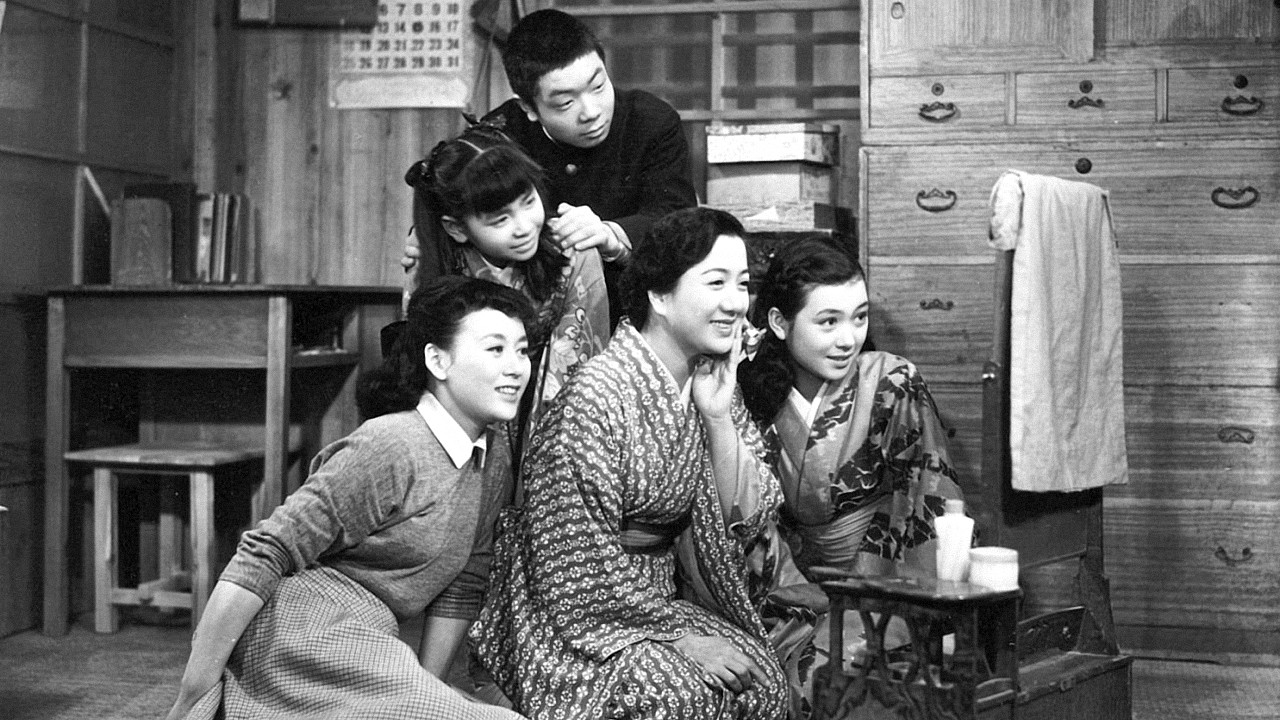
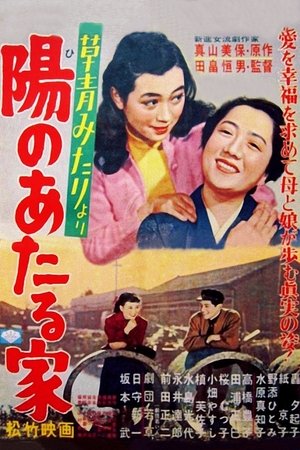


On the outskirts of Tokyo, a family of Mitsu Nakahara lives in one of the small huts surrounded by barracks and tin pens. Mitsu's husband died in the war, and she was left alone with four children and works as a day laborer. The eldest daughter Haruko, who is already nineteen years old, works in a clothing store, the second daughter Natsuko works in a restaurant, a schoolboy Akio is studying carpentry, and even the youngest Fuyuko helps her mother by working as a nanny in a neighboring house. Nearby lives a widowed electrician Tokuji Yamada with two boys - Norio and Tatsuo. He has a widowed daughter, Sakiko, who, along with a small child, ran away from home, as she is going through hard times. At Haruko's suggestion, Mitsu and Tokuji get married, and it would seem that happiness smiles on their new family, but it turned out to be short-lived…
This movie will always resonate with queer people, for as long as queer people exist.
The re-living of this historic trial through this film is relevant to current politics and disturbingly enjoyable to watch due to the excellent performances from the ensemble cast. If you like a juicy courtroom drama, this film will definitely scratch that itch in a really chilling manner.
'Legally Blonde' remains a standard of feminist filmmaking over two decades after its release, although its poor treatment of racial and sexual minorities make it a product of its time.
She is being made to justify why she doesn’t believe he’s a feminist, instead of him having to justify his choice to claim he is one.
The power of a talented female director like Patty Jenkins and an overall diverse cast is what makes this film worth watching for me.
Based on the fairy character from previous movies, this fantasy movie gives viewers magic.