A Personal Experience of Representation - The Intersection of Armenian Culture & Epilepsy
I am an Armenian who has a mild form of epilepsy. I rarely see Armenian culture and epilepsy properly portrayed in film or TV. I delve into the how and why.

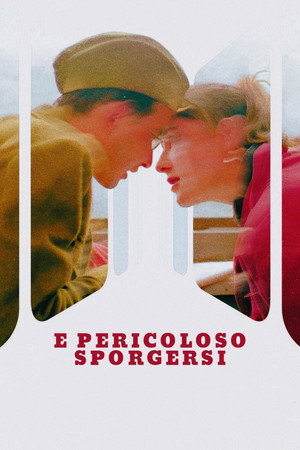


It is late in the Ceausescu era in Romania, and Cristina is having a difficult time with her boyfriend. He wants her to have sex with him before he goes off to do his obligatory stint in the army. She wants him to marry her first. She also gets involved with a slightly rebellious actor, a would-be ladies' man. He has some vague plans to defect - could those be the reason he is receiving mysterious phone calls? Or are they the work of his anonymous admirer?

Nae Caranfil
Director


Nathalie Bonnifay
Cristina Burlacu

George Alexandru
Dinu Staroste
Marius Stănescu
Horatiu

Valentin Teodosiu
Jean

Florin Călinescu
Lt. Grecea
Liviu Topuzu
Minzatu
Marius Florea Vizante
Vizante
Marcela Motoc
Anemarie

Camelia Zorlescu
Physic Teacher

Rada Istrate
Romanian Teacher
Coca Bloos
Class Mqaster
I am an Armenian who has a mild form of epilepsy. I rarely see Armenian culture and epilepsy properly portrayed in film or TV. I delve into the how and why.
Initially feeling like a passionate group having a bit of harmless fun with filmmaking, it leads to something sinister enough to leave a mark.
Strangers in a crowd, exchanging glances, looking away, continually managing to run into each other then part ways, end up at the same diner, find they've rented the exact same vehicles, and are then made to travel together to learn once more whether they can both find genuine adoration and companionship again. This really does, in so many words, sum up the foundational gist of of this new feature film from writer Seth Reiss ("The Menu") and director Kogonada ("The Acolyte", "After Yang"). Yet, it's all only the set-up for the REAL wonder of everything that happens before, during, and in the aftermath of a magical, meaningful journey.
This anti-love young adult movie includes mature topics and dialogue.
When you think of the horror genre, the LGBTQ+ community is probably one of the last things you think of. However, horror is much more queer-coded than you may think.
Mahershala Ali and Naomie Harris, with an economy of language, but a world of expression, weave us inside this futuristic tale of how your “one true love” may exist in the future in Benjamin Cleary's 'Swan Song.'