
‘West Side Story’ (2021) Improves on and Is Limited by the Original
Steven Spielberg's West Side Story (2021) improves on the original's terrible representation, poorly written romance, and more. --> check out reviews & film summary
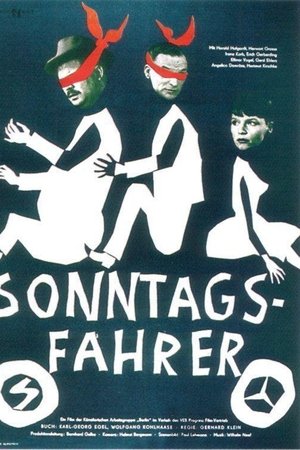


On August 12, 1961, eight people in three cars set off for Berlin from Leipzig. They want to go to the West. The initiator is the philistine Spiessack, who drives the others, who have embarked on the adventure with mixed feelings. It becomes a journey with numerous incidents and panic, which causes the different characters to clash. When they finally arrive in Berlin the next day, they are not allowed to cross the border. The only option is to return. At home, Spiessack is met by a policeman in his living room - with the slogan "We'll be back" written on the wall.
Steven Spielberg's West Side Story (2021) improves on the original's terrible representation, poorly written romance, and more. --> check out reviews & film summary
Telling a story about the French and Indian Wars from the perspective of the British prioritizes the perspective of the colonizers.
In The Novelist's Film, Hong explores the meaningful things people share and inspire by virtue of simply engaging with one another.
Black Panther was obviously an epic movie and big hit! It was the highest-earning superhero movie of all time in the US! It's pretty clear that Black Panther has more meaning for race and diversity than your average Marvel superhero movie. This movie means a lot in terms of black pride and representation - and has much cultural significance in America as a whole.
Shudder’s Host (not a particularly original title, I must say) attempts to bring the spooks to “the quarantine generation” by presenting us with a scary Zoom call during lockdown.
With The Father, writer-director Florian Zeller- who wrote and developed the play upon which the film is based- pulls no punches as he confidently makes every effort to put the audience in the mind of someone whose grip on reality has all but vanished. It’s a dazzling testament to Zeller’s abilities as a director as he makes his first transition from stage to film appear as if he’s been working behind a camera his entire career. The dialogue he fashions with co-writer Christopher Hampton, along with the work of production designers Peter Francis and Cathy Featherstone, collectively makes the downward spiral of dementia startlingly tangible, doing so in a way that can be comprehended by everyone except the person it directly affects.