









Reflecting on 'The United States vs. Billie Holiday'
Lee Daniels’s Billie Holiday biopic The United States vs. Billie Holiday was released on February 26th, 2021, and my immediate reaction to it was one of discomfort.
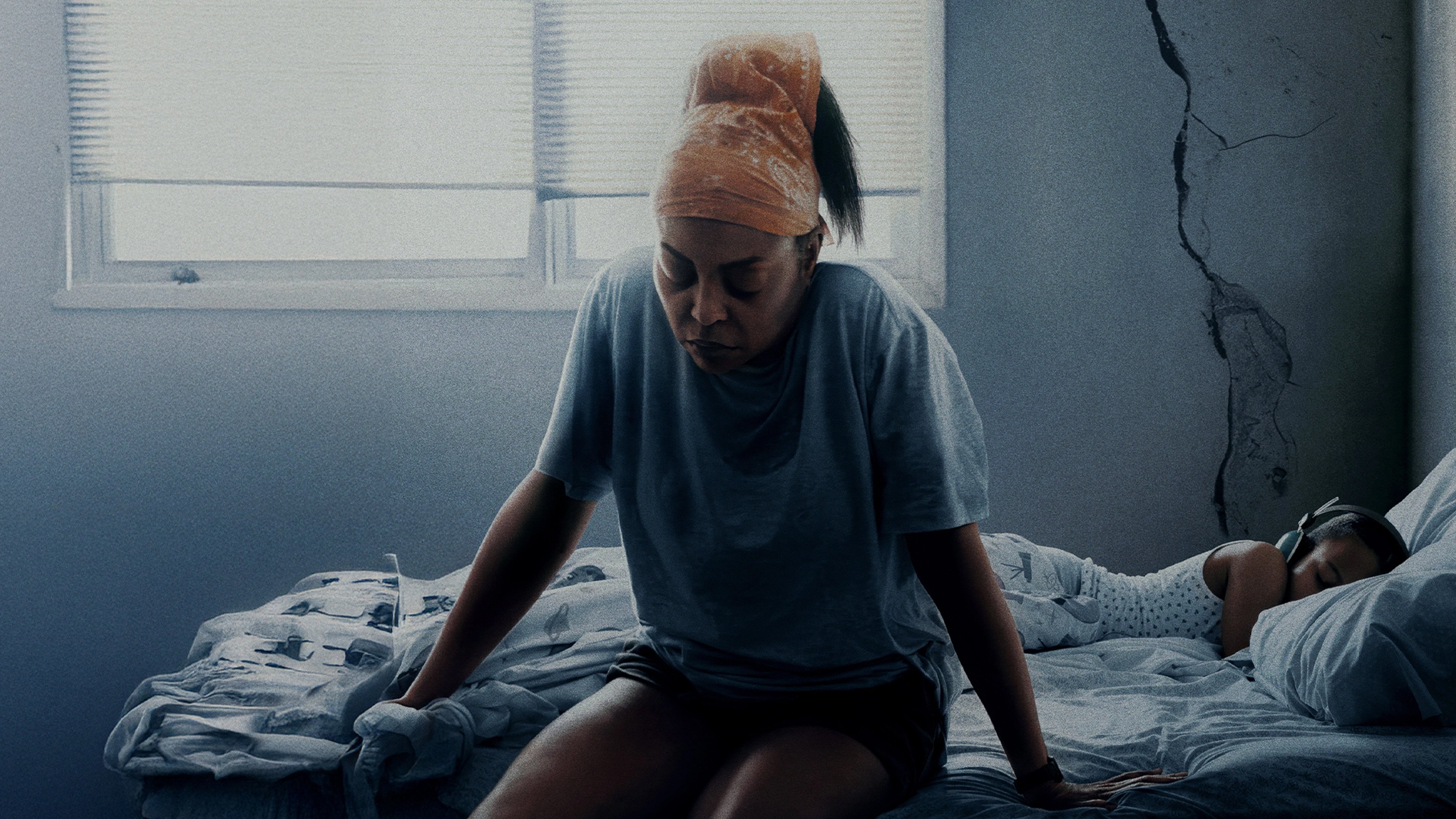
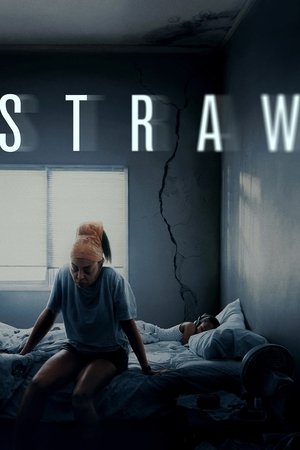


Tyler Perry's Straw wasn't about big, loud action scenes. Instead, its deep impact came from a constant, quiet pressure – the kind that slowly squeezes a person until they feel like there's nothing left to hold onto. It was a heavy feeling, shown in every part of the movie, making it feel real and far from a made-up hero story.
At its core, "Straw" showed Janiyah as a woman who had been just barely making it for too long. Not in a brave, heroic way, but simply trying to get through each day. She was trying to care for her sick daughter, Aria. She was trying to pay rent. She was just trying to breathe. So when she walked into that bank, holding her daughter’s science project and with blood on her hands, she wasn't planning a big scene. She was just trying to keep some control of a life that had already slipped away.
From the very start, there was a strong tension. Not the kind you get in an action movie, but the painful feeling of watching someone balance on their very last bit of patience and respect. You could see it in her careful eyes, the gentle way she spoke, and how she held onto hope as if it were her last, fading chance. Every quiet struggle, every silent look, built up this slow, painful feeling, pulling the audience into her difficult world.

What will be her last straw? A devastatingly bad day pushes a hardworking single mother to the breaking point — and into a shocking act of desperation.
Lee Daniels’s Billie Holiday biopic The United States vs. Billie Holiday was released on February 26th, 2021, and my immediate reaction to it was one of discomfort.
Upon first watch, Buddy feels like it should have been aired on Adult Swim at four in the morning.
The differences in these films could not be more blatant, and yet Gus Van Sant has found a way to portray the same messages and use the same techniques in each.
For the entirety of Raiders of the Lost Ark, Marion remains in full control of both her body and her personality, a rarity for female characters at the time of the film’s release. She’s granted depth with personal demons from her past and emotional vulnerability when the situation deems it appropriate for her to grow alongside Indy. She avidly rejects the notion of being anything other than a sassy, humane rebel, and Indy’s equal in every way. This she does while still maintaining her femininity.
'Legally Blonde' remains a standard of feminist filmmaking over two decades after its release, although its poor treatment of racial and sexual minorities make it a product of its time.
Diana’s spirit has taken off, ‘No right, no wrong, no rules for me.’ And in that moment, as she runs on the screen, she gets it, her ‘Let It Go’ moment.