


Freakier Friday: Maybe It Was Freaky Enough the First Time?
If a movie about a strange and crazy day is commercially successful, why not recycle it and double the kookiness quotient? That seems to be the logic behind this followup to Freaky Friday.
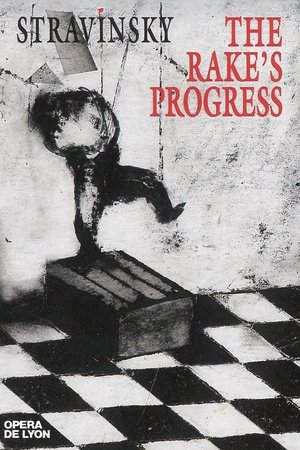


The Rake's Progress is an English-language opera from 1951 in three acts and an epilogue by Igor Stravinsky. The libretto, written by W. H. Auden and Chester Kallman, is based loosely on the eight paintings and engravings A Rake's Progress (1733–1735) of William Hogarth, which Stravinsky had seen on 2 May 1947, in a Chicago exhibition. Filmed in Aix-en-Provence, 1992.
If a movie about a strange and crazy day is commercially successful, why not recycle it and double the kookiness quotient? That seems to be the logic behind this followup to Freaky Friday.
After years of mediocrity, Thunderbolts* is the welcome change MCU fans were waiting for.
This Netflix TV series is perfect for animal lovers as it is centered on human-dog bonding.
Four more classic horror films that are entertaining even if occasionally absurd.
Typically in film, characters suffering from mental illness are used as plot devices or exaggerated for comedy. 'The House that Jack Built's representation exceeds in accuracy and realism of OCD.
We have a long way to go with LGBT representation in film, especially when it comes to LGBT characters of color and trans characters.