
What We Do in the Shadows (of Our Closet Walls)
There’s enough evidence to insinuate that What We Do in the Shadows is intentionally queer-coded.
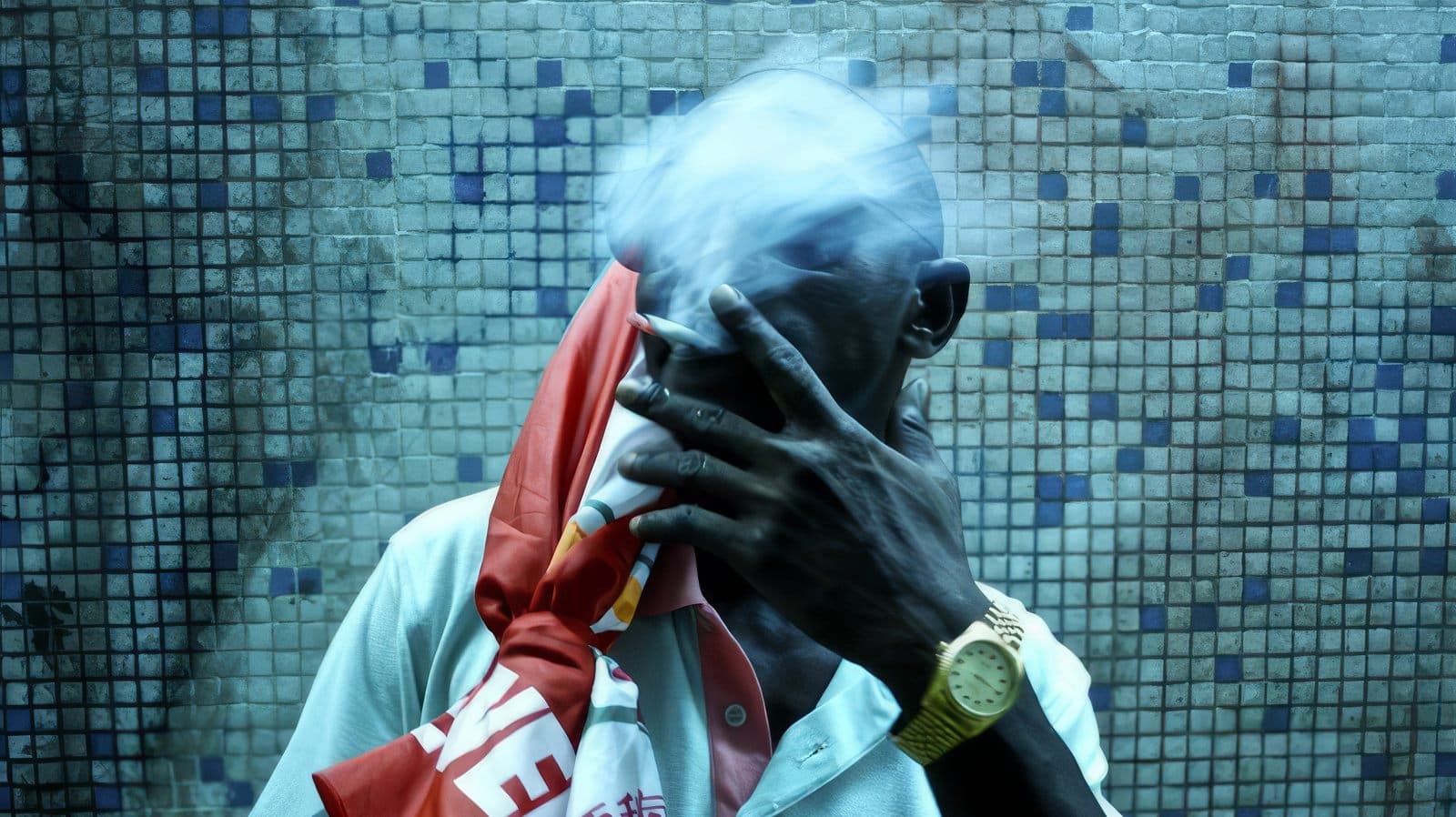
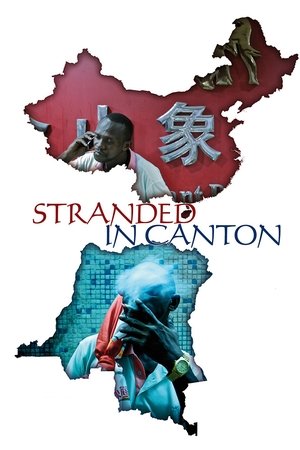


The Swedish artist Måns Månsson has placed a fictional character in a real environment to explore the fascinating new relationship that has arisen between Africa and China, where democracy is one commodity among many others. No dialogue was written in advance, and the minimal story about the worthless t-shirts is just a pretext to conduct a cinematic experiment set in the Chinese city, where tens of thousands of African migrants are in the process of establishing themselves and creating a new life, in a historical parallel to the exchange that has always taken place between East and West. But this time, the West is not invited to the party. However, the reference to the lost souls in the American photographer William Eggleston's film of the same name suggests a tragicomic and existential absurdity independent of time and place.
There’s enough evidence to insinuate that What We Do in the Shadows is intentionally queer-coded.
The film is a simple love story reminiscent of stories like The Notebook released in 2004. Sylvie and Robert are rarely actually together in the film, however; time and circumstance keep them away from each other, and the audience waits with bated breath to see them find one another over and over.
In season 3 of 'Umbrella Academy', Diego, Allison, and Viktor finally get character arcs that address their unique experiences as a Latino man, a Black woman who lived through the 60s, and a trans man.
The movie opens with an empty house, cameras pan around from the perspective of what viewers are confused about at first, but turns out to be a spirit living in the home.
A movie that brings Indian culture with classic Bollywood themes and electronic dance music.
'Don't Lose Your Head' follows the motto of "grades aren't everything."