Living in The Real World in 'Dog Gone Trouble'
A pampered dog who gets lost and has to learn to live on his own while being flexible with surroundings.
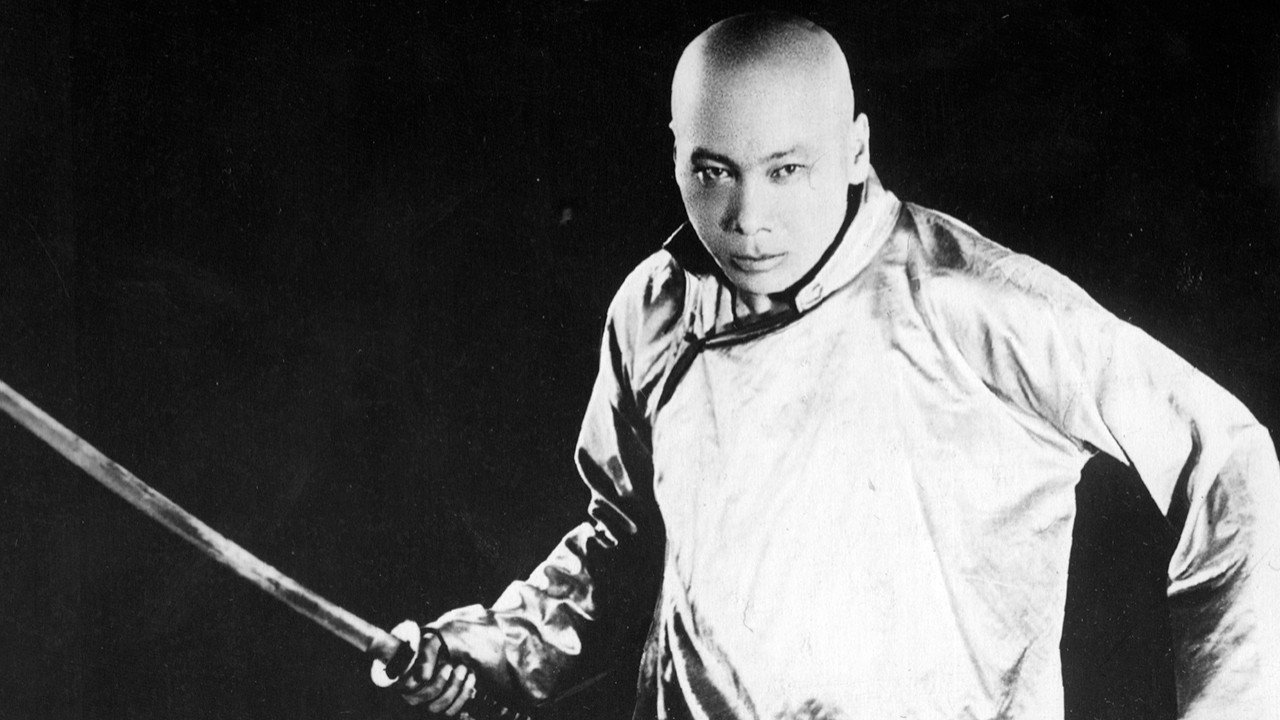
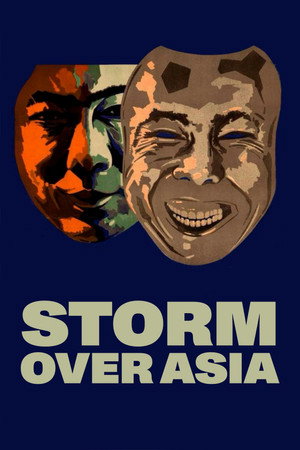


In 1918 a young and simple Mongol herdsman and trapper is cheated out of a valuable fox fur by a European capitalist fur trader. Ostracized from the trading post, he escapes to the hills after brawling with the trader who cheated him. In 1920 he becomes a Soviet partisan, and helps the partisans fight for the Soviets against the occupying British army. However he is captured by the British when they try to requisition cattle from the herdsmen at the same time as the commandant meets with a reincarnated Grand Lama. After the trapper is shot, the army discovers an amulet that suggests he is a direct descendant of Genghis Khan. They find him still alive, so the army restores his health and plans to use him as the head of a puppet regime. The trapper is thus thrust into prominence as he is placed in charge of the puppet government. By the end, however, the "puppet" turns against his masters in an outburst of fury.

Vsevolod Pudovkin
Director

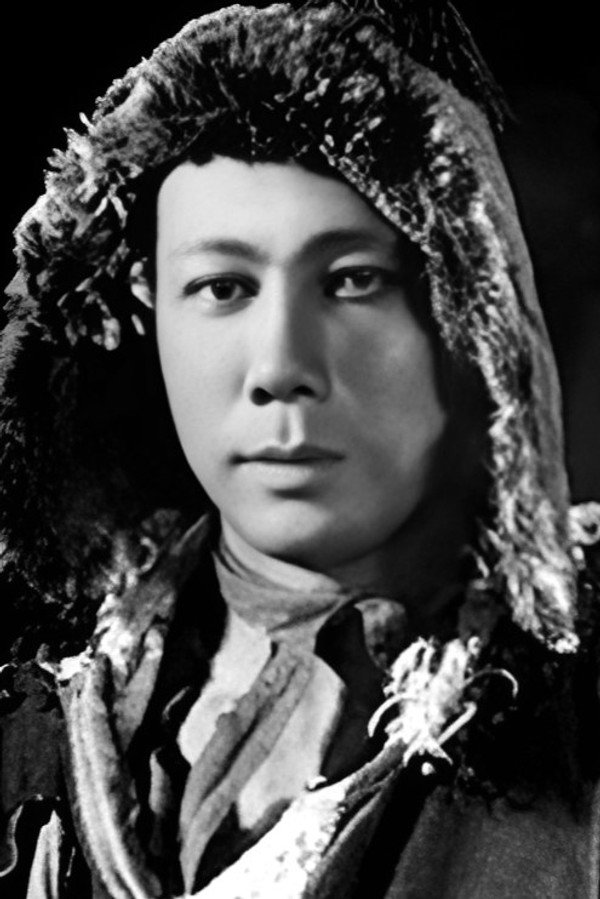
Valéry Inkijinoff
Bair
A. Dedintsev
The British Commandant
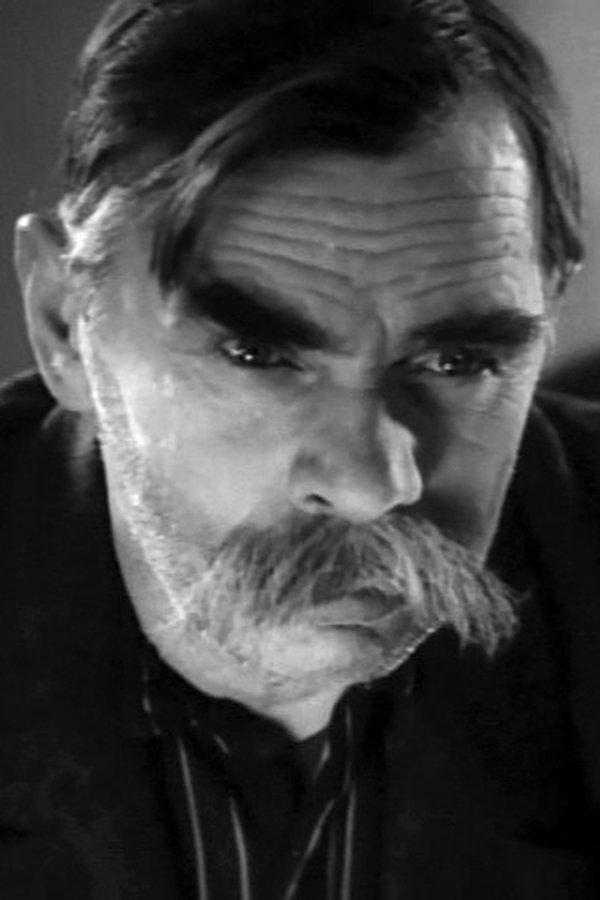
Aleksandr Chistyakov
The Russian Rebel Leader

Anel Sudakevich
Commandant's blonde daughter
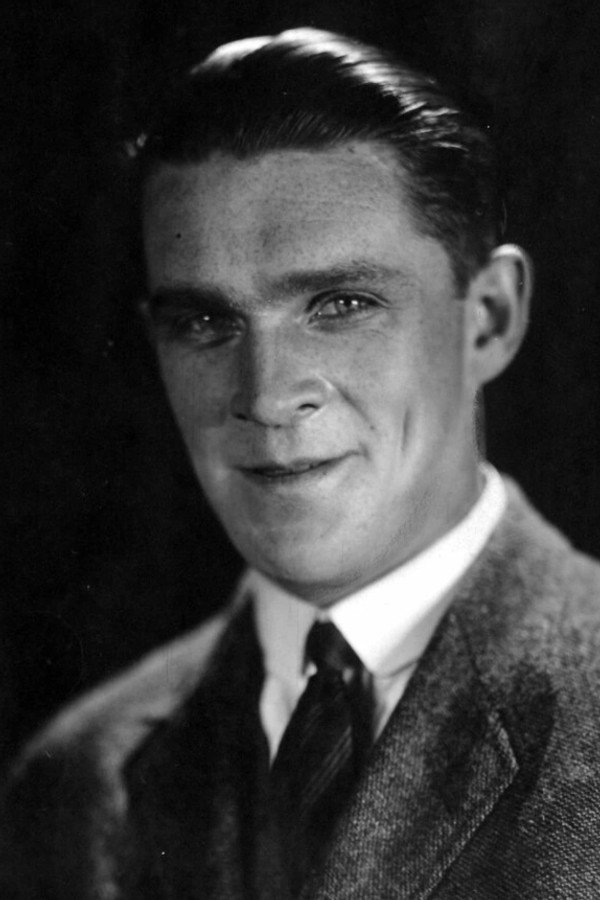
Boris Barnet
English soldier, pipe smoker
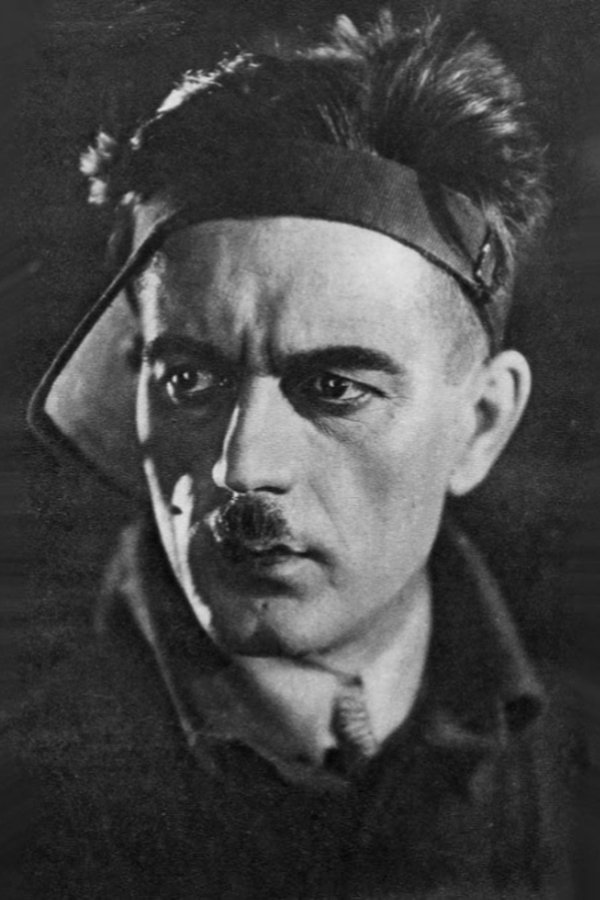
Karl Gurnyak
English soldier
Vladimir Tsoppi
Henry Hughes
L. Belinskaïa
The Commandant's Wife
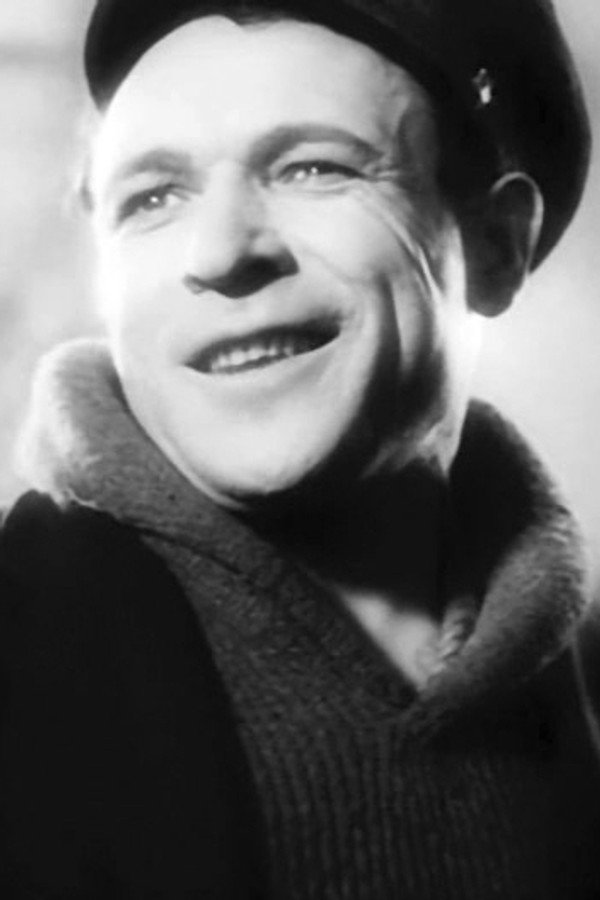
Fyodor Ivanov
The Lama
Aleksandr Baturin
Englishman
A pampered dog who gets lost and has to learn to live on his own while being flexible with surroundings.
Who knew a drunken game of truth or dare could launch one of the most chaotic rom-coms of the year? The Threesome takes Connor’s fantasy night with Olivia (Zoey Deutch, in peak queen-of-indie form) and Jenny (Ruby Cruz) and flips it into a deliciously messy nightmare when both women end up pregnant. What follows isn’t cheap comedy—it’s a whip-smart, heartfelt exploration of love, consequence, and the beautiful disasters we call adulthood.
If you've watched 'Jeanne Dielman, 23 Quai du Commerce, 1080 Bruxelles', you are either someone who believes “nothing happens” in this three and half-hour film or you’re like me who believes everything happens.
Given a choice between a man and a mountain, it’s safer to choose the mountain.
When you think of the horror genre, the LGBTQ+ community is probably one of the last things you think of. However, horror is much more queer-coded than you may think.
Omaha reminds us of what it can feel like to look at old family photographs. You sit with the bittersweetness, allowing it to wash over you; not drowning in it, but certainly affected by it.