






'Don't Lose Your Head' - MiamisFF Review
'Don't Lose Your Head' follows the motto of "grades aren't everything."

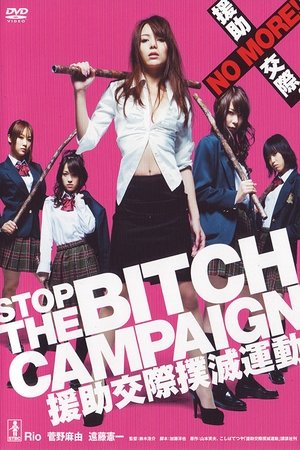


Confusingly, this is actually the first “Stop the…” movie of what (to date) has been a trilogy. Kuni (Kenichi Endo) runs a Phone Sex service, where middle-aged men talk too, and arrange to meet, schoolgirls for “Compensated Dating” (enjo kosai) – the men provide gifts in return for “dating” the schoolgirl (although no money changes hands, this is effectively teenage prostitution). Kuni discovers that one group of schoolgirls are using his service to ambush (and then blackmail) his clients and decides to embark on a moral crusade against them (hence the title, Stop the Bitch…). Unfortunately, this crusade takes the form of arranging to meet the schoolgirls, having (kinky and degrading) sex with them and then running off without paying. The logic goes that if these girls are not making money from their “dating”, they will give it up, making the world a safer place for everyone. Unfortunately for Kuni, these schoolgirls decide to fight back….
'Don't Lose Your Head' follows the motto of "grades aren't everything."
Incluvie's best movies with female leads. Check out this article which presents top 30 Female Protagonists in Film. The characters that made the cut are in essence - girls that kick butt, challenge stereotypes/gender norms.
‘Better Than Chocolate’ isn’t perfect, but it sure has charm! The characters are great. Some took longer to grow on me than others, but ultimately they’re all compelling! I appreciate how a select few help those around them to grow.
Ruben Östlund muses about his characters, “As soon as you get close to a person, you see them as just another human being”. It is widely recognized that aboard the luxury yacht in ‘Triangle of Sadness’, the different groups of people represent a small society as a commentary on classism and gender binaries.
This live-action Barbie movie brings strong feminism and topics about blondes.