




Writing Great Villains: Why They Shouldn't Be Sympathetic
Writing great villains is about striking a balance between charming and evil, so we love them but also love to see them lose.
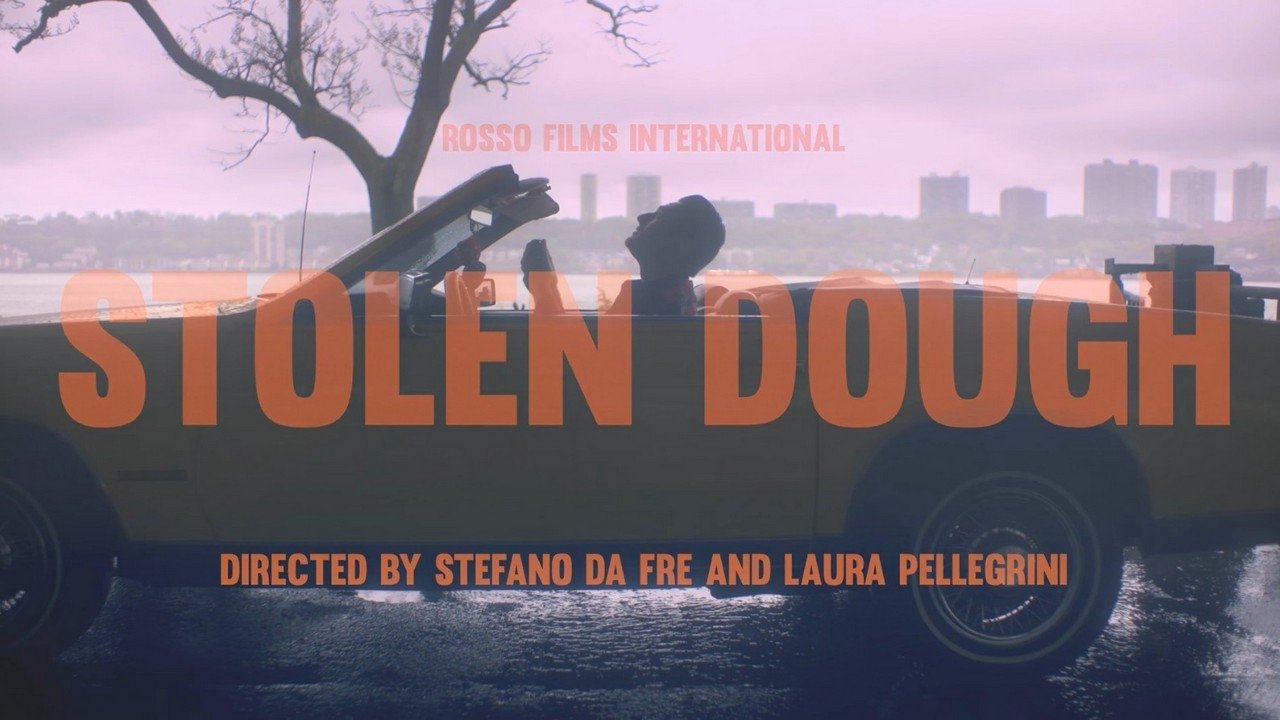
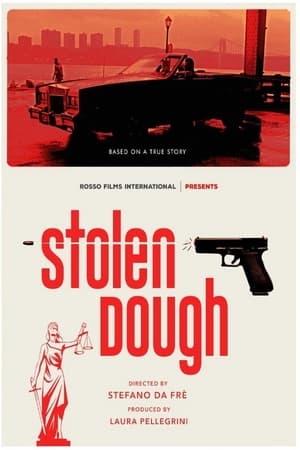


"Stolen Dough" is the remarkable story of Anthony Mongiello. An Italian-American whose patent was stolen by Pizza Hut. What follows are the real life events of a 1 Billion dollar lawsuit
Writing great villains is about striking a balance between charming and evil, so we love them but also love to see them lose.
In Paul Feig’s newest comedy, Last Christmas, Katarina (Emilia Clarke) didn’t give a heart, she got a heart, you see.
The problem isn’t that it’s bad. It's good. But it fails to stand out from a crowd of similar films.
Renee Zellweger shines in this Judy Garland biopic, which highlights the pain and loneliness that so many famous women endure.
“Trust your gut" is one of the most common pieces of advice you’ll receive during your lifetime. And as a person inclined to trust my intuition above all else, it’s the most common advice I find myself giving in real life and in my online socialising. But what happens when your gut is trying to warn you that something is seriously wrong without you being able to identify what triggered it in the first place? How can you act on a feeling or make it go away when you don’t have a clue about what could be wrong? How can you trust your intuition when you don’t know what makes it act out in the first place?
Hoppers is a fun ride with a deep message underneath. In true Pixar fashion, Hoppers explores the complexity of emotions and learning to be still in a world that demands fast progress. Through the main character Mabel, we are reminded what it is like to let ourselves feel big emotions. But also how not to be controlled by them.