
“Uncle Frank”: Acceptance and Queer Representation
Growing up with a lot of siblings, young Beth felt ignored her immediate family. Uncle Frank made her feel seen, heard, and accepted.
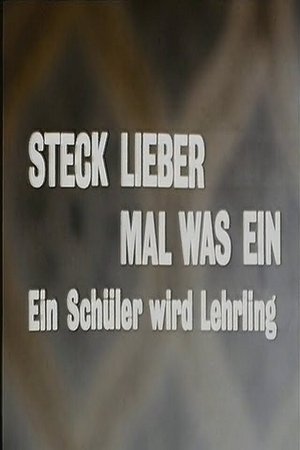


A long-term observation from 1977-1980, focusing on the apprentice Gerd and his family. Gerd wants to become an electrician, but after several rejections he accepts an apprenticeship as a lathe operator at Ford. In the first two years he works in an apprentice workshop, in the third year he has to go into production; from now on he is under a lot of pressure, because the company keeps the decision as to whether to take on an apprentice as a normal employee open until the last moment. When Gerd talks about the apprenticeship at home and criticizes the training, his parents reprimand him. They say: You'd better put something away! He shouldn't stand out in the company. The work of a lathe operator is increasingly being taken over by automatic machines. Gerd realizes that he is learning a trade that no one will need any more soon.
Growing up with a lot of siblings, young Beth felt ignored her immediate family. Uncle Frank made her feel seen, heard, and accepted.
Wilde’s coming-of-age comedy directorial debut is simultaneously hilarious and entertaining, and remarkably heartfelt and relatable.
Episode 3, entitled “Now in Color,” brings us to the 1970s — a decade full of vibrancy, color, and total mayhem.
A 2020 Japanese anime movie that focuses on a high school girl who is desperately in love with her secret crush.
I believe in homages, but there's a proper way to borrow a creative idea instead of making it appear as if you hit the copy and paste button. Most likely, anyone is better off simply reading the books. Or just put on Scream.
This animated movie is based on the migration of birds from the north to the south.