




Poverty In Black And White
Poor Black characters are usually surrounded by crime and violence, while poor White characters are portrayed as noble and hard-working.
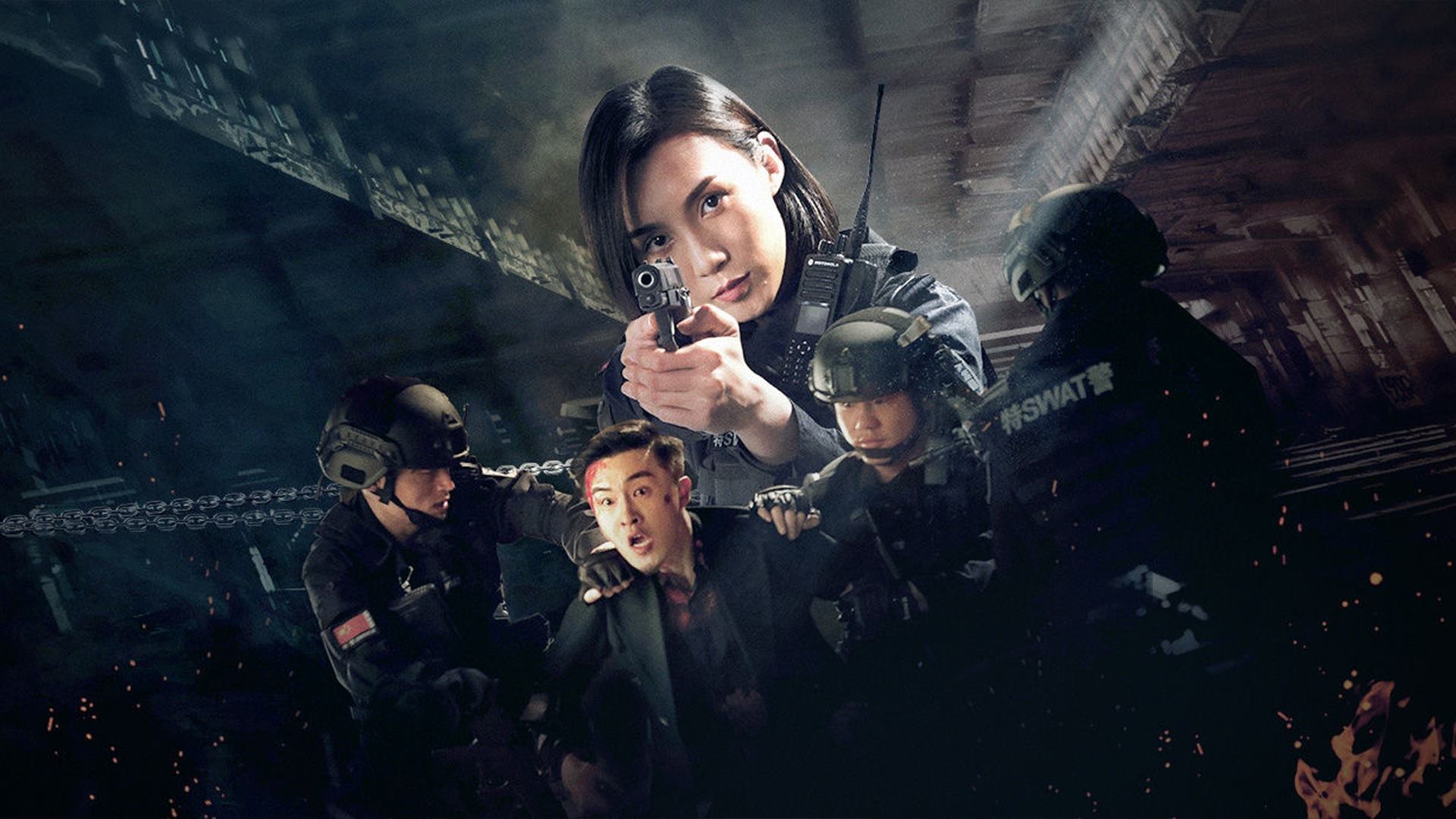



This drama tells the story of how the police arranged for special forces member Tang Shiyu to get close to the sister of drug lord Zhao Wenjiu in order to infiltrate the drug trafficking gang and capture him. Meanwhile, in the midst of the operation, Zhao's enemy, the notorious drug lord Chen Jiahua, enters China seeking revenge. Tang Shiyu finds herself caught between the two sides, collecting evidence while also making contact with Zhao's subordinates, including Hua Jiu. After a series of twists and turns, Hua Jiu begins to trust Tang Shiyu, and with her help, all the criminals are brought to justice. The story reflects how as a police officer, one must not only distinguish between right and wrong and punish evil while promoting good, but also must be willing to risk their life to rescue people in danger. Tang Shiyu, as a woman, demonstrates exceptional intelligence and the ability to turn danger into safety, not inferior to male team members.
Poor Black characters are usually surrounded by crime and violence, while poor White characters are portrayed as noble and hard-working.
A bond between a girl and her dog takes an unexpected twist as the dog is not what it seems.
Lin-Manuel Miranda's Tony-winning musical translates beautifully to the screen.
So. You’ve been quarantined. For many of us in the midst of the coronavirus outbreak, we find ourselves locked in our houses, with not much to do. Here's a list of 19 movies you can catch up on!
With The Father, writer-director Florian Zeller- who wrote and developed the play upon which the film is based- pulls no punches as he confidently makes every effort to put the audience in the mind of someone whose grip on reality has all but vanished. It’s a dazzling testament to Zeller’s abilities as a director as he makes his first transition from stage to film appear as if he’s been working behind a camera his entire career. The dialogue he fashions with co-writer Christopher Hampton, along with the work of production designers Peter Francis and Cathy Featherstone, collectively makes the downward spiral of dementia startlingly tangible, doing so in a way that can be comprehended by everyone except the person it directly affects.