


Top 10 Most Diverse Films of 2025
2025 has just about wrapped, so we’re taking this time to celebrate the most inclusive films that came out this year. Graded on Gender, Race, LGBTQ, Disability, and more
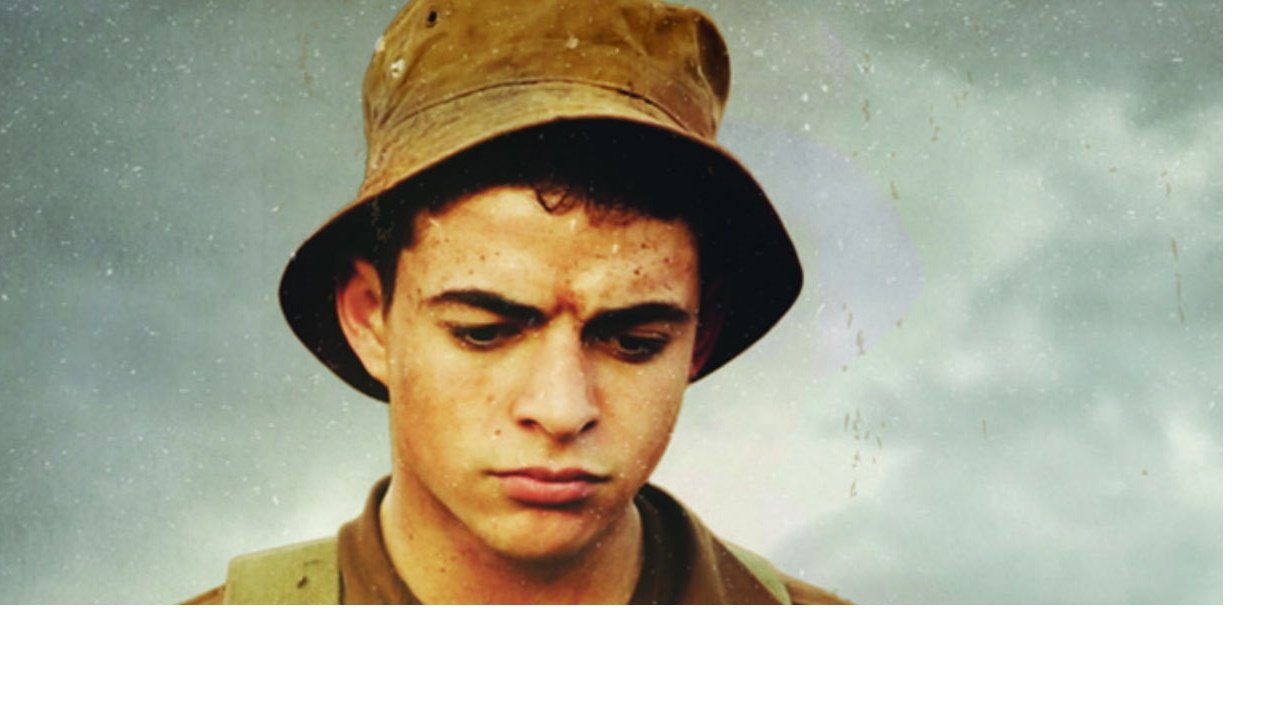
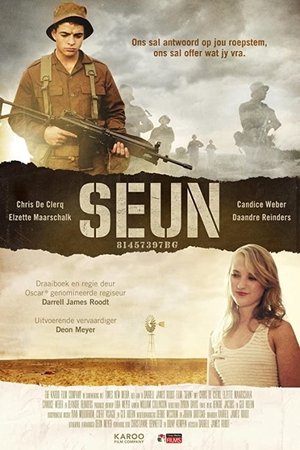


1981. Apartheid is taking a heavy toll on South Africa. Townships are burning, and on the border with Angola, a war is raging. Young men are called up to military duty right after school, and sent to battle the "Rooi Gevaar" the threat of communist oppression. Paul is one of those boys. He is smart, handsome, and ambitious, with dreams of becoming a medical doctor one day. The story starts during the summer holiday, after Paul has matriculated. He is determined to enjoy these few weeks before he has to report to the military. In January, Paul leaves for the Army, basic training,and finally, the war on the border. During a skirmish with the enemy, Paul is seriously wounded. He gets sent home, and everything is in jeopardy. Can Paul put together the very broken pieces of his life?
2025 has just about wrapped, so we’re taking this time to celebrate the most inclusive films that came out this year. Graded on Gender, Race, LGBTQ, Disability, and more
After the untimely death of his brother by way of an ambush in Kandahar, Afghanistan, the protagonist, ‘81’(Alan Ritchson) unsuccessfully makes several attempts to become an Army Ranger. On his last mission to complete the Ranger selection process he and his squad encounter an otherworldly ‘soldier’.
'Ms. Davis’ Close Friend' will make you think about the meaning of death and what it means to be alive, and if there’s really a race to be run with one's inevitable demise.
The sequel following The Son of Bigfoot explores Adam's conflict of discovering his true identity as he tries to save a wildlife preserve.
This film is a splendid mix of mediums, but its strength lies in its simplicity and beautiful message of closeness.
Emma Stone (Estella and Cruella) and Emma Thompson (the Baroness) did not come to play around in Cruella. They embodied the perfect balance of sinister and sincere. Estella went through a great hero's journey, and what a journey it was!