

'Don't Worry Darling' Review: 'Get Out' But For White Women
Essentially 'Get Out' but for white women, 'Don't Worry Darling' has strong material with its twist reveal, but the writing and directing falter trying to execute it.
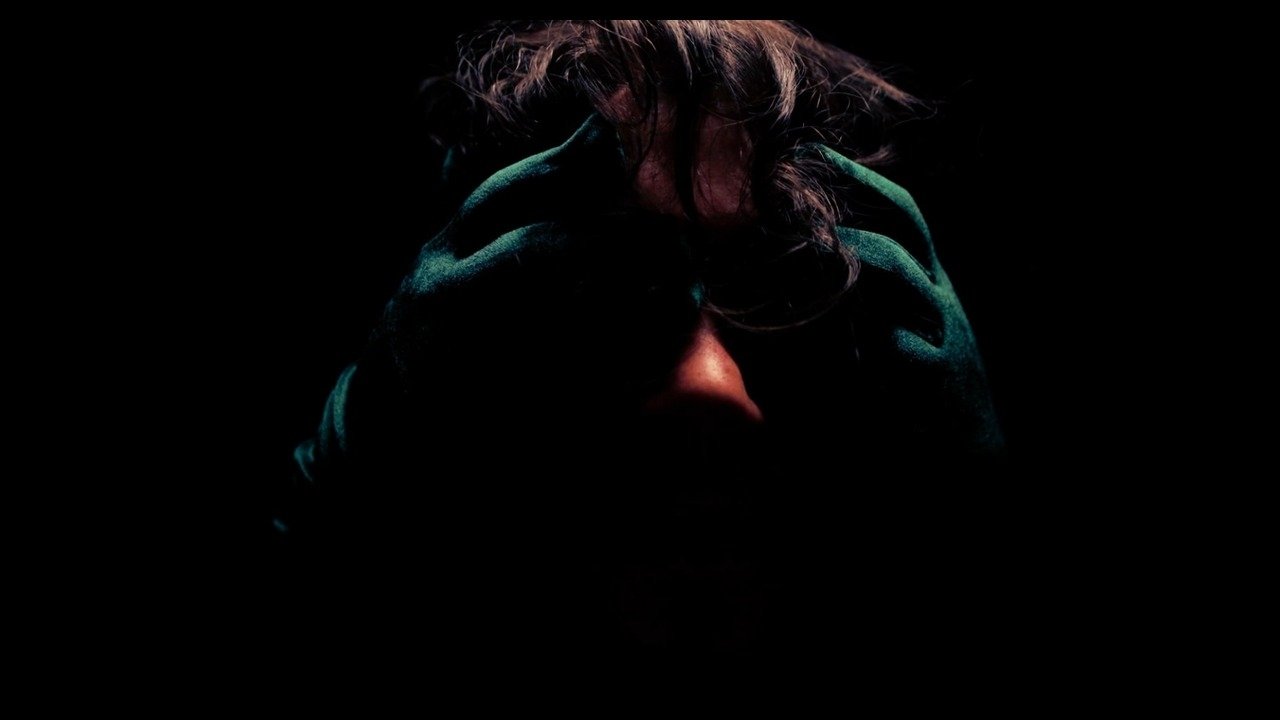



After beating a man to death for talking and chewing obnoxiously in a movie theater, Vic starts to see visions and is pushed deeper into his own psyche. Will he make it out unscathed or do his inner demons require a pound of flesh?
Essentially 'Get Out' but for white women, 'Don't Worry Darling' has strong material with its twist reveal, but the writing and directing falter trying to execute it.
Telling a story about the French and Indian Wars from the perspective of the British prioritizes the perspective of the colonizers.
As one of the women said in the film, friendship in your teens is “as important as any lover” and it’s clear they lived that philosophy throughout their early adult lives as well.
I hadn’t heard of it either until recently—and yet, it’s one of the highest grossing movies of all time.
The plot could’ve really been interesting if the elements of lycanthropy was integrated with perhaps the struggle of identity of being LGBTQ+. It's an experience for so many that as they’re starting to realizing their true selves, they feel like a monster, especially if they come from unsupportive homes or communities. Instead, the horror and transformation elements seem thrown in without contemplation of how this could deepen the narrative.
A code adopted by gay men and LGBTQ+ individuals in general to subtly disclose your identity to another, “friend of Dorothy” is widely considered to originate with Judy Garland.