
"A man has got to see his face." Horror Noire: A History of Black Horror
This documentary moves chronologically through Black representation in horror films, revealing the genre's connections to Black history.
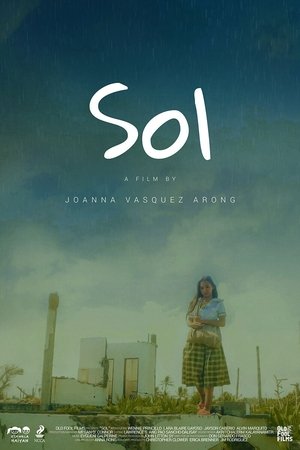


Sol follows the lives of two sisters living in a small village. Tensions have been rising ever since drugs infiltrated their lives along with the relief efforts that came after the storm. The elders lament that their patron saint, San Antonio, was able to protect them from the storm surge yet can’t protect their children from the drugs coming in after the storm. Sol struggles to cope with her family situation. She feels stuck in her little village where the neighbors all gossip about their brother in jail for drugs and her older sister who cannot seem to move on after the death of their father during the storm.
This documentary moves chronologically through Black representation in horror films, revealing the genre's connections to Black history.
Yes, "Nope" is definitely about the modern obsession with turning tragedy and horror into a spectacle for people’s enjoyment. But it's also about the power of looking, who has the right to look, and what happens to those who are looked upon.
Animation as a medium of storytelling can be thought to be open to all ages and as I hope my readings will reveal, they could be interpreted as transgender stories.
For viewers who love eating burgers, shakes and fries on the go along with a tasty side of nostalgia.
I hope that more people will see Joyland, understand the situation, and eventually change themselves and society so we can have a more accommodating world where everyday tragedies like the one depicted in the film do not occur.
In order to learn why an arguably outdated fanfic trope was resurfacing in the contact zone of popular culture, I dove into a vibrant trough of character development.