




Writing Great Villains: Why They Shouldn't Be Sympathetic
Writing great villains is about striking a balance between charming and evil, so we love them but also love to see them lose.
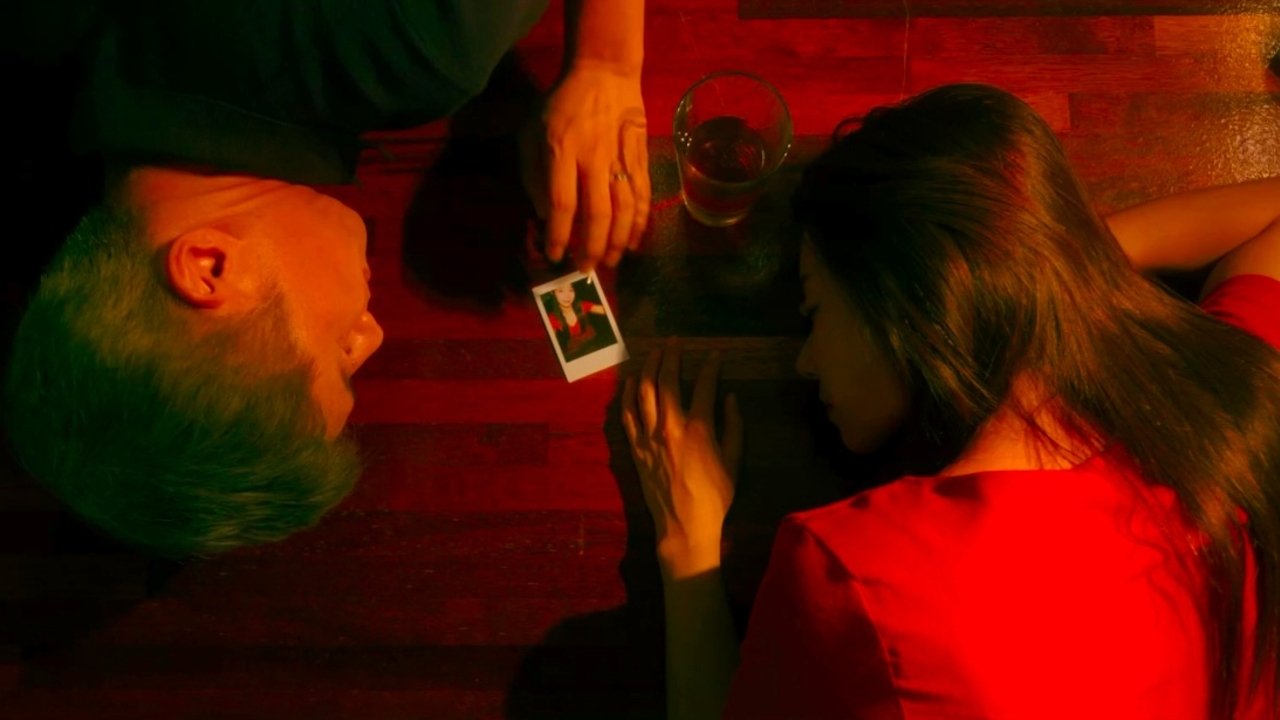
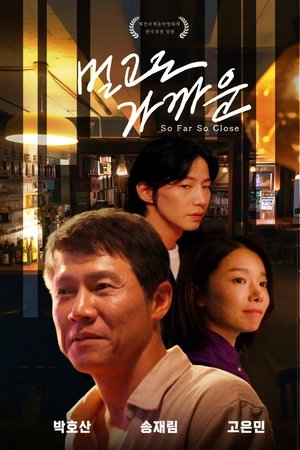


Jun-ho brings up his ex Yeon-joo to Dong-seok, the guest. He fell in love with her at first sight, who looked like his ex Su-jeong, and suddenly disappeared. A few days later, the police came and said Yeon-ju died in front of the bar, adding that they interrogated him. Dong-seok confides to Jun-ho that Yeon-ju is actually his girlfriend, and today is the 49th day since she died. Eun-young asks Jun-ho about most memorable moment. Junho realizes that Yeon-ju was actually a fantasy and Eun-young was a real-life Yeon-ju.
Writing great villains is about striking a balance between charming and evil, so we love them but also love to see them lose.
Desi’s “straight man” to Lucy’s playful exuberance subverted people’s expectations of what a Latino man could be and added respect and nuance to the way onscreen marriages between men and women were portrayed.
The sequel to the first film, A Second Chance: Rivals! talks about Maddy combating cyberbullying and racism.
Word of mouth has been incredible, but the film's faults cannot be ignored.
As many of us know, Marvel Studios has taken an interest in women-led superhero films, but some of us are oblivious to the women behind the camera and pen.
Another story focuses on the bond between a young man and a shelter dog in this Netflix drama film.