
'Once Upon A Studio' (2023)
A short hybrid film featuring everyone's favorite Disney characters.
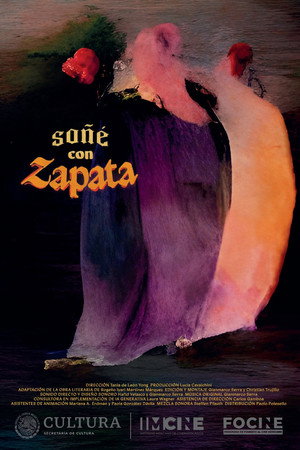


Soñé con Zapata (I Dreamed of Zapata) – “Soñé con Zapata” is an experimental short film that explores the migrant experience from a poetic and sensory perspective, articulating the concepts of memory, identity, and displacement through moving images and sound design. The work is set within the context of Mexico’s complex relationship with migration—as a country of origin, transit, and destination—and proposes an intimate reflection that seeks to build empathy. Based on a fragmented narrative, the short film constructs an emotional journey where the personal sphere intertwines with the collective. “Soñé con Zapata” is conceived as an act of poetic and cultural resistance that re-signifies a fundamental icon of Mexican history, drawing inspiration from the choreography “Zapata” (1953) by Guillermo Arriaga. The work invites reflection on the links between body, territory, and freedom, offering no closed answers but rather opening a space for interpretation and dialogue.
A short hybrid film featuring everyone's favorite Disney characters.
This Pride month, Hulu’s 'Love, Victor' comes to a close with its third and final season—it’s most complicated yet sweetest season yet.
An apocalyptic tale captivates the nation as it teaches us to love even in the hardest situations.
The sparks of a dangerous conspiracy ignite a mystery in this sequel based on the mysteries of Sherlock Holmes.
"King Richard" paints a nuanced portrait of a Black father trying to ensure his daughters’ success in a racist, misogynistic world. Yet, Richard and his kids overcome that fear and adversity to succeed.