


Growing Fangs: How "Ginger Snaps" Ties Puberty to Werewolves
John Fawcett’s "Ginger Snaps" intertwines the lore of the werewolf to the hellish experience of a young girl going through puberty.
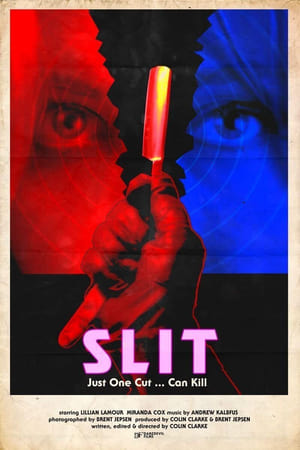


Passion and murder are in store for two party girls whose steamy sexual encounter turns bloody when a black-gloved killer follows them home.
John Fawcett’s "Ginger Snaps" intertwines the lore of the werewolf to the hellish experience of a young girl going through puberty.
Growing up without a dad, I got a lot of my fatherly advice from the prototypes I saw on the silver screen. It’s these characters and films that gave me a glimpse into a dynamic I had never known but also made me realize that I was missing out. Here are my top 10 paternal films.
Naked Gun: The New Police Squad Team delivers exactly what fans want: relentless, expertly crafted chaos that honors the original while cranking everything up to eleven. The gags fire at machine-gun pace—sight jokes layered with wordplay and physical comedy so outrageous it borders on art. It's gleefully self-aware without being cynical, silly without being stupid, and maintains that perfect ZAZ-style balance of treating absolute absurdity with complete seriousness. The film knows exactly what it is: a comedy missile designed for maximum laughs, and it hits its target with surgical precision. Pure, unhinged entertainment that proves spoof comedy still has plenty of life left in it.
The Summer I Turned Pretty series adapts the beloved trilogy into a bingeworthy TV show and introduces a new generation to Belly, Conrad, and Jeremiah.
‘Oppenheimer’ is a force to be reckoned with. A biopic that respects the audience’s intelligence.
Throughout Brendan Fraser’s career, he has played a plethora of unique, layered characters who explore the importance of not being afraid to display your emotions, something that is often seen to not be a masculine trait. This idea of regulating emotion and what traits men are able to possess creates a toxic atmosphere for men who are often told they should not cry or represent their emotions in any physical way. These characters represent that men can be joyful, emotionally conscious, and sensitive, while also representing their masculine identity instead of painting those qualities as fighting against their masculinity.