Writing Great Villains: Why They Shouldn't Be Sympathetic
Writing great villains is about striking a balance between charming and evil, so we love them but also love to see them lose.

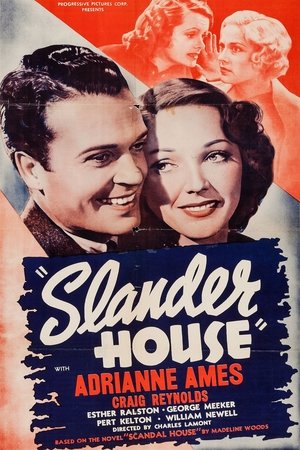


Owner of salon catering to fat society dames must deal with a dull fiance, a romantic stranger, the jealous blond who loves him, and the lecherous husband of a client.
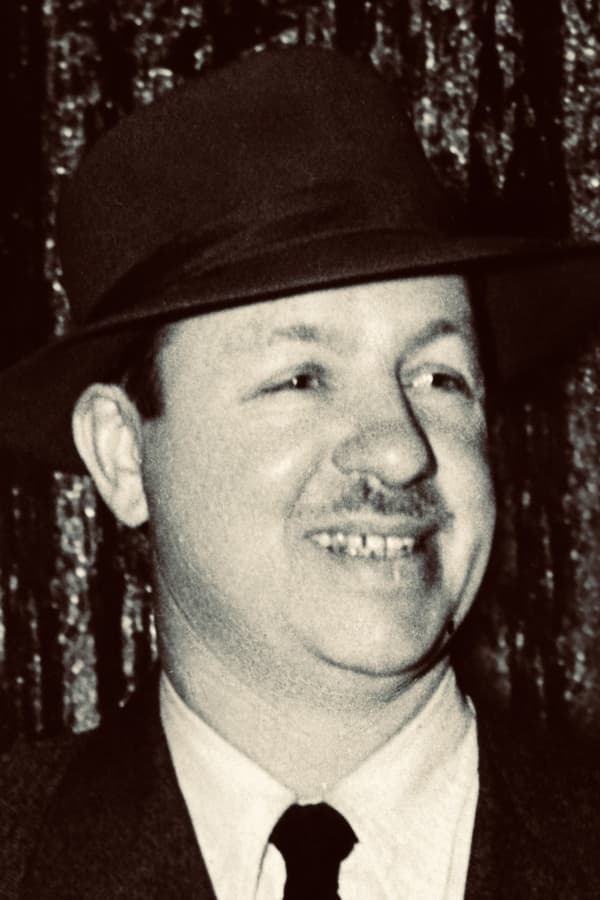
Charles Lamont
Director

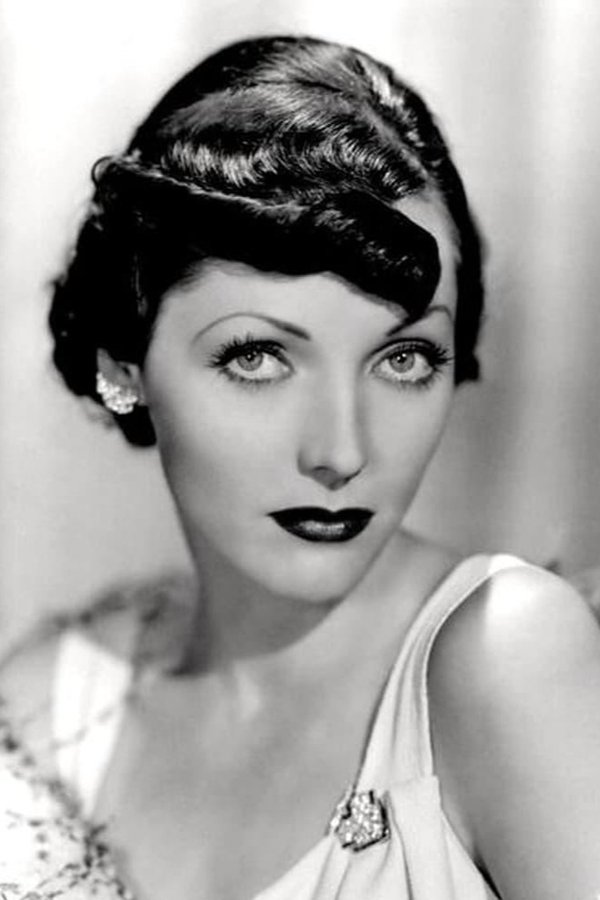
Adrienne Ames
Helen 'Mme. Helene' Smith
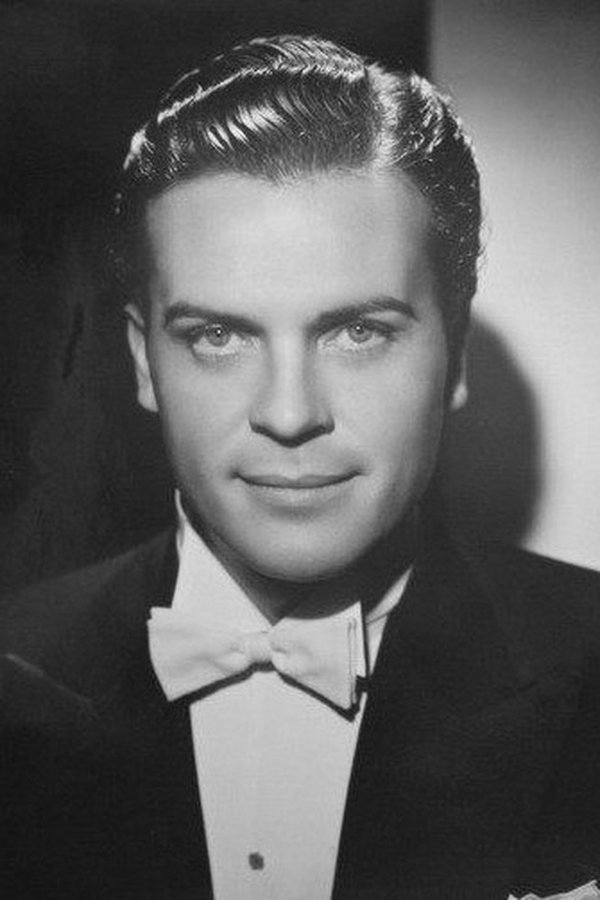
Craig Reynolds
Pat Fenton
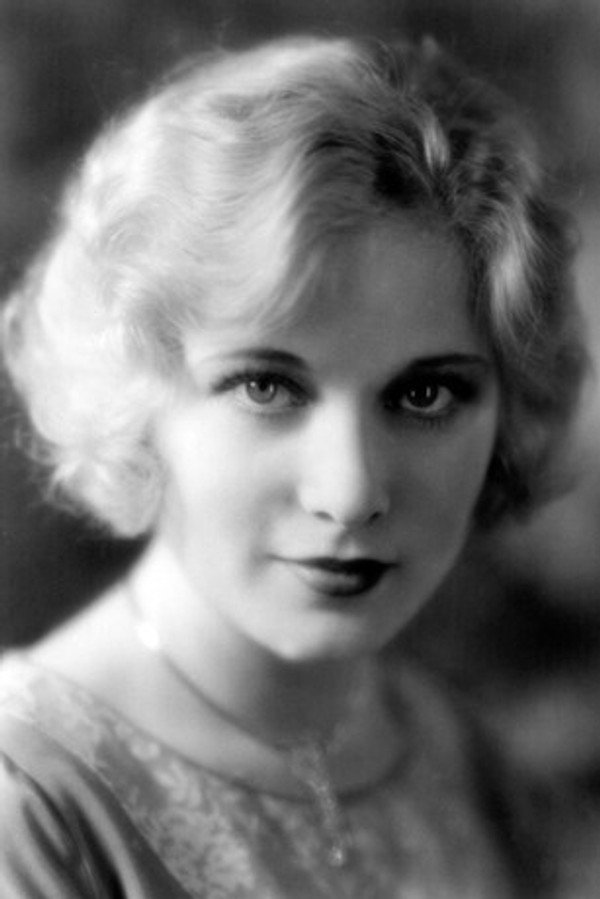
Esther Ralston
Ruth De Milo

George Meeker
Dr. Herbert Stallings

Pert Kelton
Mazie Mason

William Newell
Terry Kent

Dorothy Vaughan
Mrs. Horton
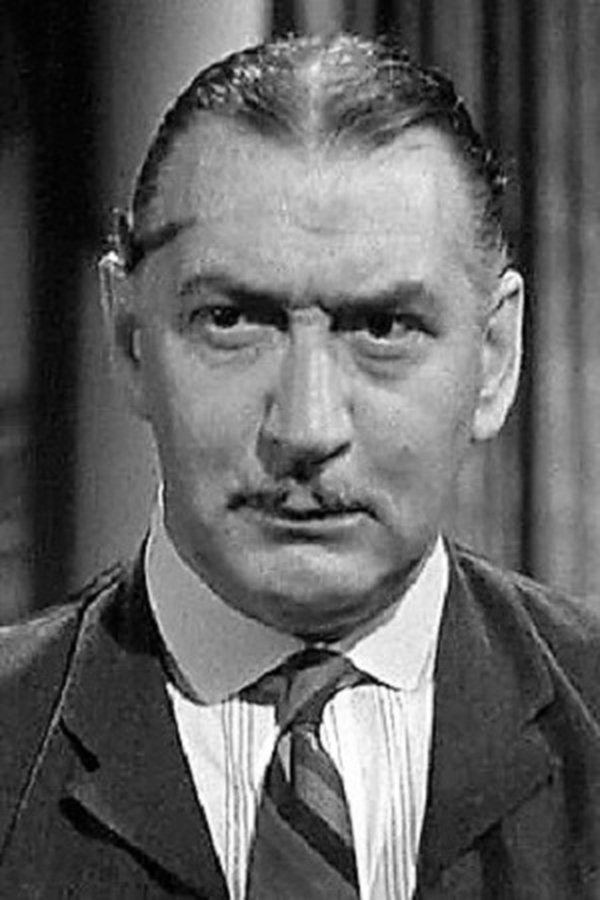
Edward Keane
George Horton

Vivien Oakland
Mrs. Conway
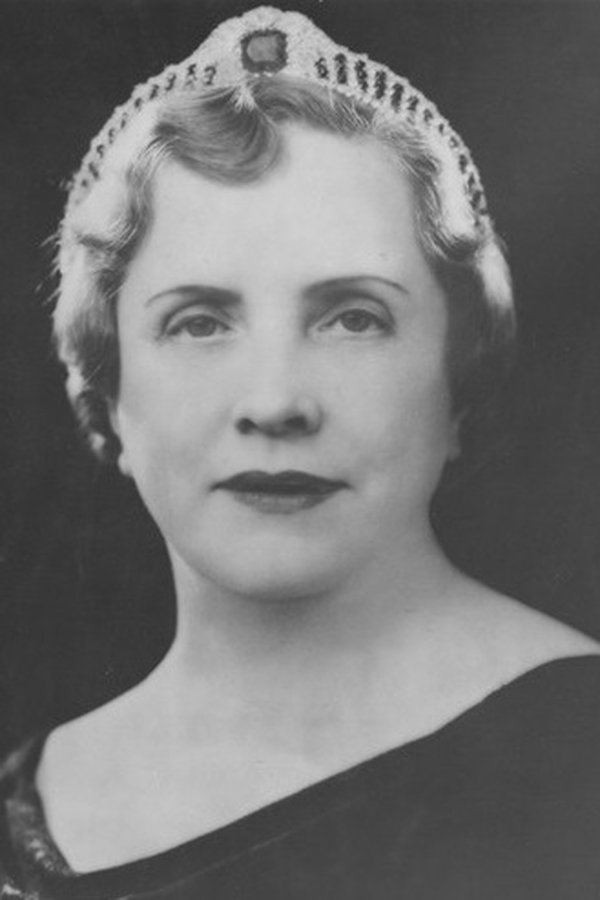
Ruth Gillette
Mme. Renault
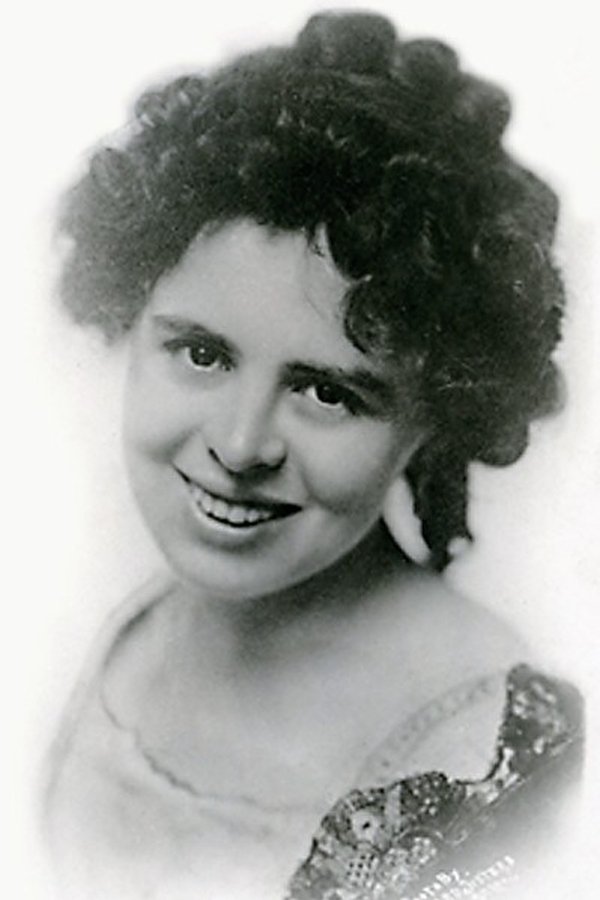
Dot Farley
Mrs. Willis
Writing great villains is about striking a balance between charming and evil, so we love them but also love to see them lose.
The film, which focuses on an Argentinian family during an intimate birthday dinner, efficiently captures the eccentricities of each character as well as the nuances of their interpersonal dynamics.
While everyone was going gaga over The Odyssey, Desert Warrior was quietly taking audiences on an epic Arabian “knights of the sand table” adventure
Dora is the superhero we didn't know we needed.
Considering the runtime, I expected each scene to hit harder as opposed to a series of montages and vignettes.
“Trust your gut" is one of the most common pieces of advice you’ll receive during your lifetime. And as a person inclined to trust my intuition above all else, it’s the most common advice I find myself giving in real life and in my online socialising. But what happens when your gut is trying to warn you that something is seriously wrong without you being able to identify what triggered it in the first place? How can you act on a feeling or make it go away when you don’t have a clue about what could be wrong? How can you trust your intuition when you don’t know what makes it act out in the first place?