




Growing Fangs: How "Ginger Snaps" Ties Puberty to Werewolves
John Fawcett’s "Ginger Snaps" intertwines the lore of the werewolf to the hellish experience of a young girl going through puberty.
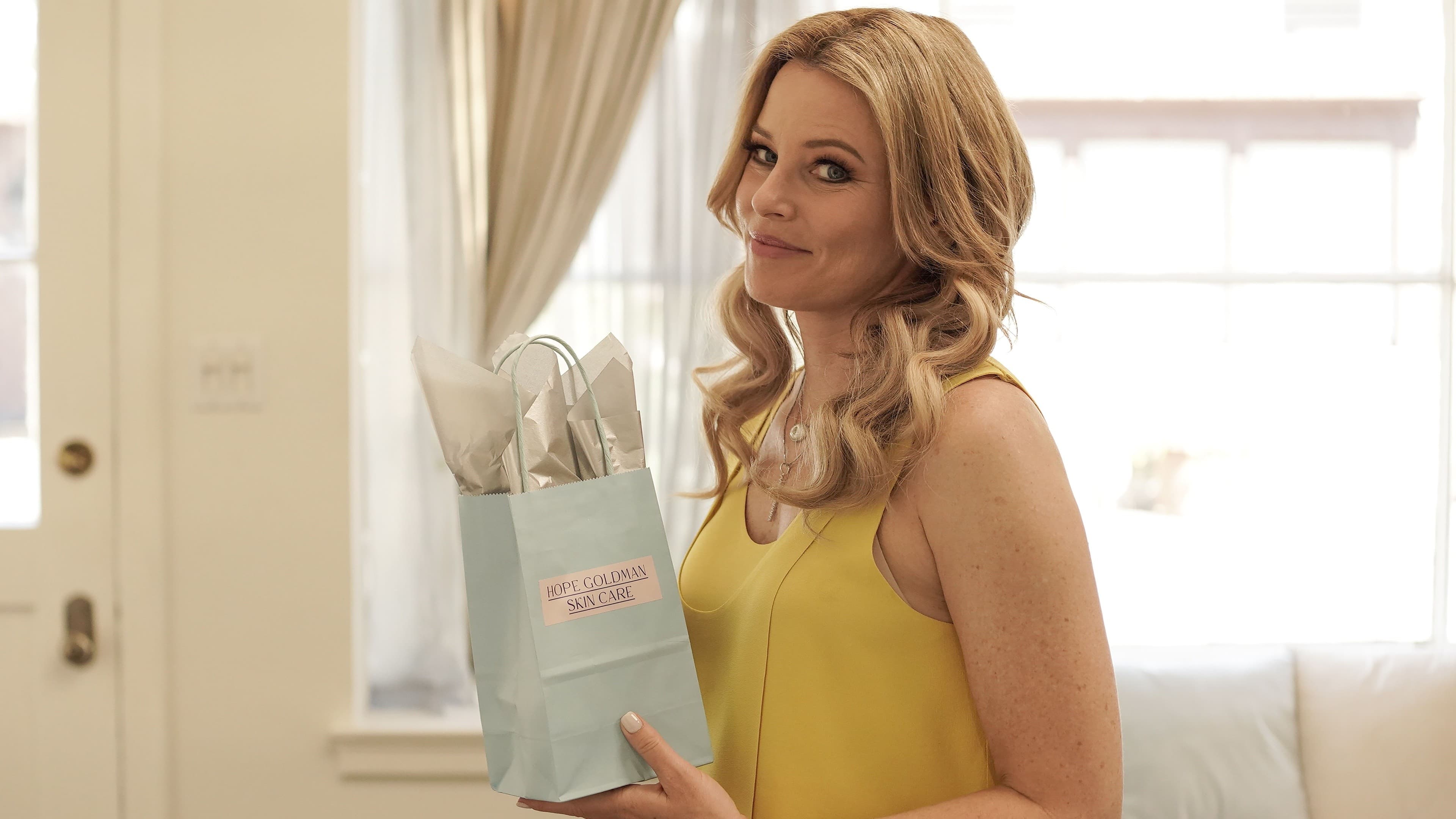



Famed aesthetician Hope Goldman is about to take her career to the next level by launching her very own skin care line. However, she soon faces a new challenge when a rival opens a boutique directly across from her store. Suspecting that someone is trying to sabotage her, she embarks on a quest to unravel the mystery of who's trying to destroy her life.
John Fawcett’s "Ginger Snaps" intertwines the lore of the werewolf to the hellish experience of a young girl going through puberty.
While everyone was going gaga over The Odyssey, Desert Warrior was quietly taking audiences on an epic Arabian “knights of the sand table” adventure
The sequel to the 2010 live-action movie focuses on sibling rivalry.
A young boy who runs away from home discovers friendship when he befriends a young dragon in this animated movie.
Like all modern societal phenomenons, it started with a meme. This one highlighted that when there’s a mom in a Pixar film, she is almost without fail given striking curves that highlight the bottom half of her body following a minuscule waist. From Elastigirl to the skeletal Mama Imelda, the animation giant’s artists seem to have a fixation on making exaggeratedly curvy maternal characters.
Though 'Bound' technically falls under the genres of crime and thriller, the film's heart is a romance between two women.