




Wanda Maximoff: The Hero We Deserve, Not The Villain We Need
If the message here is that without a support system, grieving people turn into monsters, it’s not really well-delivered and may be flawed as a message itself.
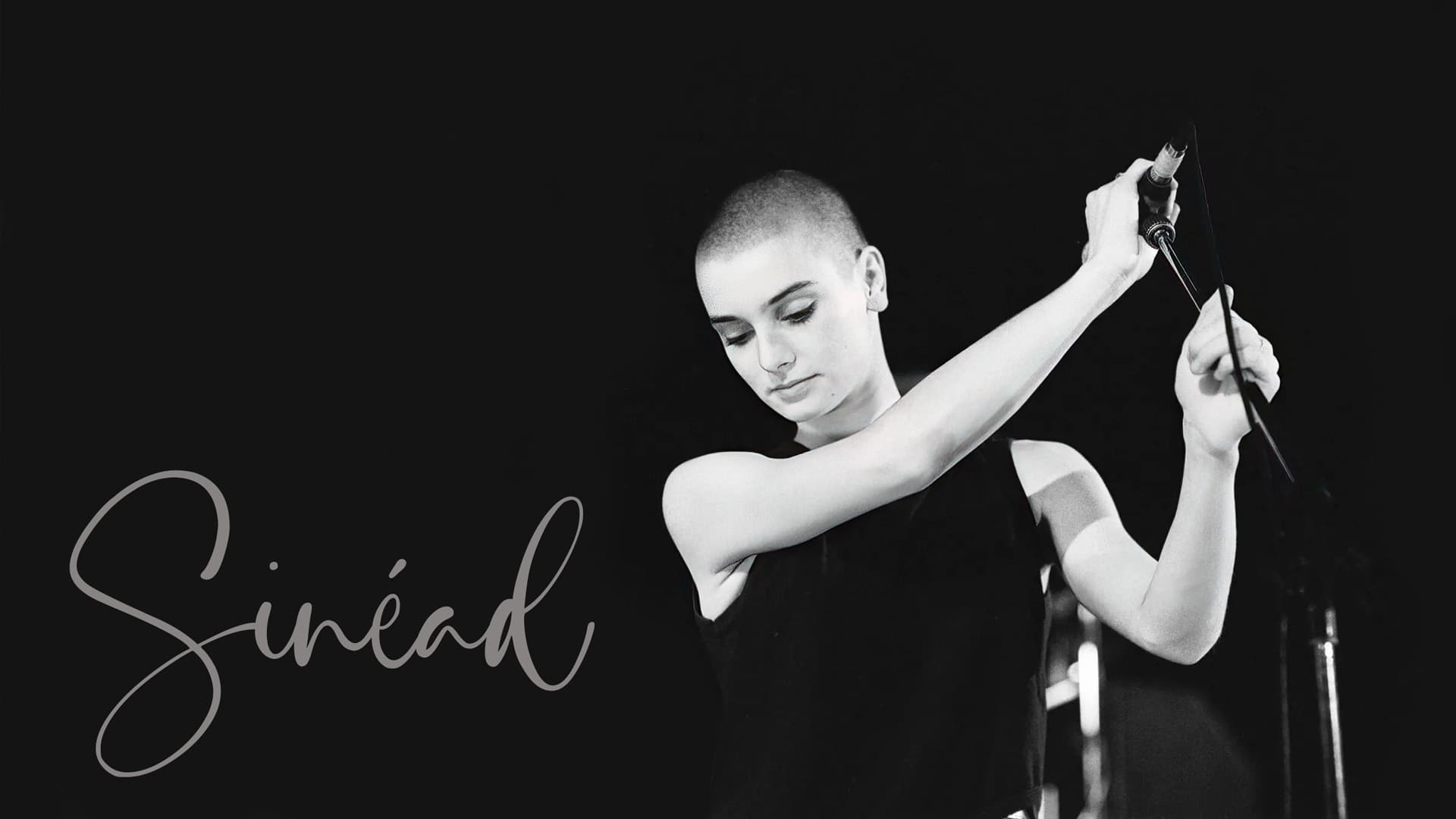
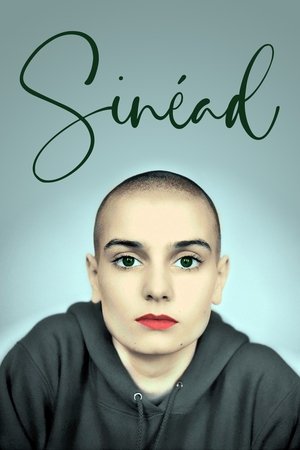


With contributions from David Holmes, Christy Moore, Imelda May, Don Letts, BP Fallon and more, this documentary reflects on Sineád O’Connor’s influence on Irish life and people. Five months after her shocking passing, SINÉAD revisits the late singer’s tumultuous life and the film is both a deeply sad and celebratory tribute. Drawn together from RTÉ’s own expansive archive of her TV appearances and footage from around the world, it is an absorbing take on a story that many of us already know very well. However, looking back now after her death, the film pulls into sharp focus just how brave and defiant Sinéad really was.
If the message here is that without a support system, grieving people turn into monsters, it’s not really well-delivered and may be flawed as a message itself.
A simple question often sparks intense debate. Incluvie attempts a working definition for the beloved horror genre.
What seems like such a simple story of survival is so much more than that—it’s a story of family, and of war, and of destruction. It’s painful to watch, but not in a bad way. It makes its audience reflect on their own actions, and in how they are complicit in the sufferings of others as the adults in this film are. Grave of the Fireflies does not hold back from being heartbreaking, and it shouldn’t. It tells a message that needs to be heard decades after the war, and a story that cannot be forgotten by history.
I can say without question, that this is the first movie I’ve ever seen where art imitates life so much that I could 100% identify with it on a personal level. The predominately Black cast of characters are people with hopes, dreams, fears, and ambitions.
Marvin Gaye's powerful music addresses the same themes as "Da 5 Bloods" and elevates the film to even greater heights.
Perhaps the most amazing and groundbreaking quality about The Birdcage is how removed it is from both illness and insensitivity. Whereas films preceding it were often somber stories about the tribulations of being gay in a conservatively straight world, Nichols and screenwriter Elaine May expose the fallacies of conservatism as traditional values are thrown into a more open-minded space. They don’t care how far the community has fallen so much as how high they can rebuild themselves.