‘Fast Color’: A Strikingly Different Take on the Superhero Film - Movie Review
Set in a future dystopian United States in which water is running out, Julia Hart’s Fast Color (2018) is a refreshingly different take on the superhero film.
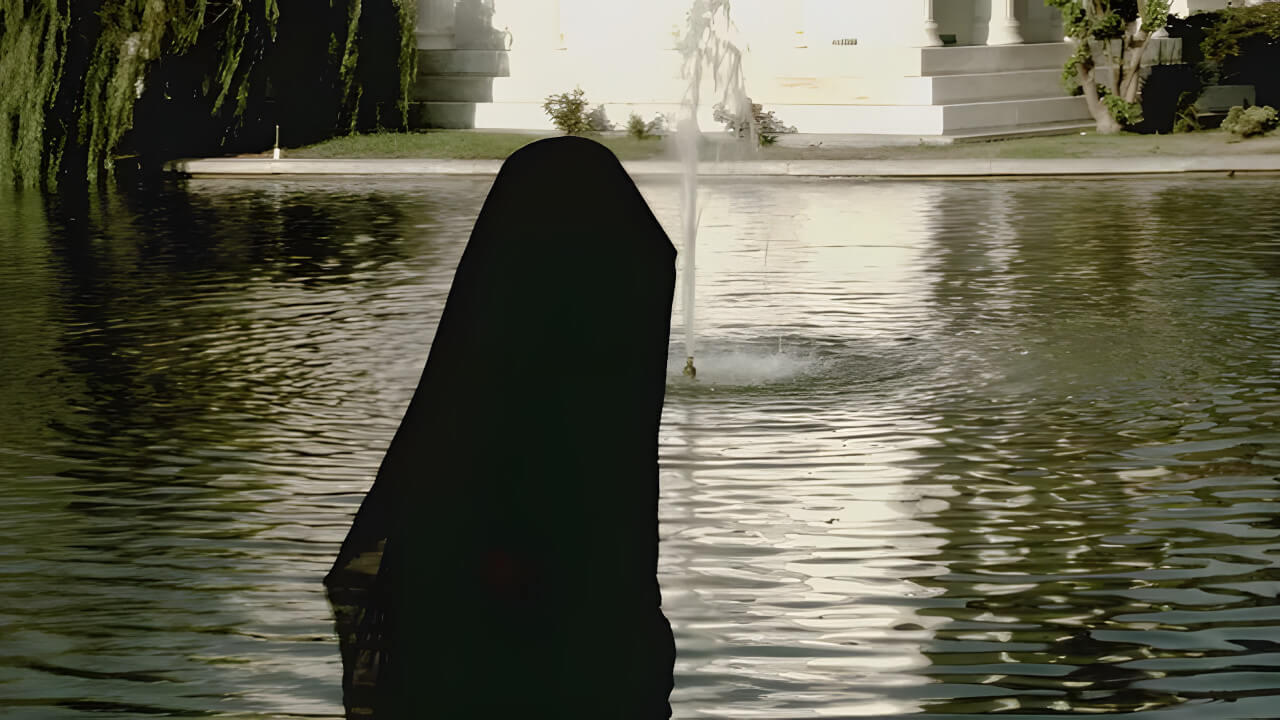
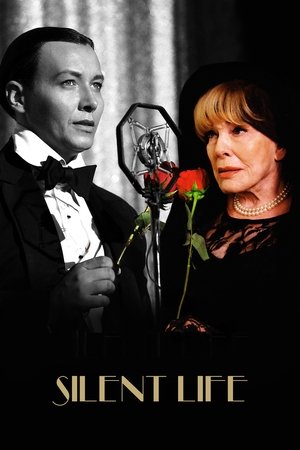


1926: While on tour promoting his latest movie "Son Of The Sheik", Rudolph Valentino, the Hollywood silent screen icon, suffers a sudden collapse and is hospitalized at the New York Polyclinic Hospital. After an emergency surgery, Valentino loses his grip on reality and, while hallucinating, reexperiences his life in Hollywood from - as a silent film shown at a movie palace, the magical portal between life and eternity, between reality and illusion. Dubbed "The Great Lover" around the world, Valentino plays dashing and virile Sheiks on the screen and drives his female audience into hysteria. However, his private life is a complete failure - the Sheik cannot satisfy even his own domineering wife. Snapping back to reality, Valentino finds himself abandoned, alone and stricken with illness. Pam, a young deaf-mute Valentino's fan, who works as a nurses' aid at the hospital, will show the God of Love for the first time in his life what love can truly mean.

Vladislav Kozlov
Director

Terry Moore
Lady in Black
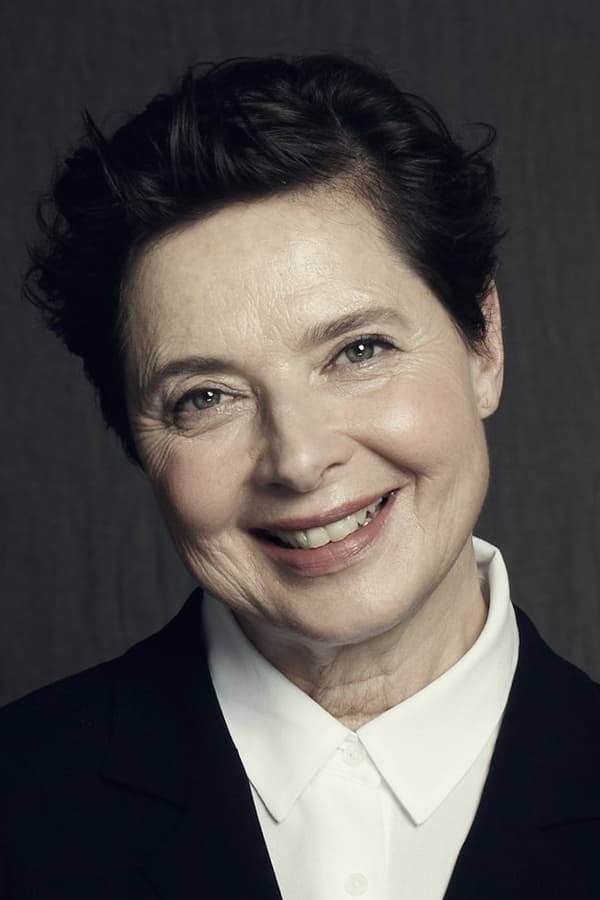
Isabella Rossellini
Gabriella Guglielmi
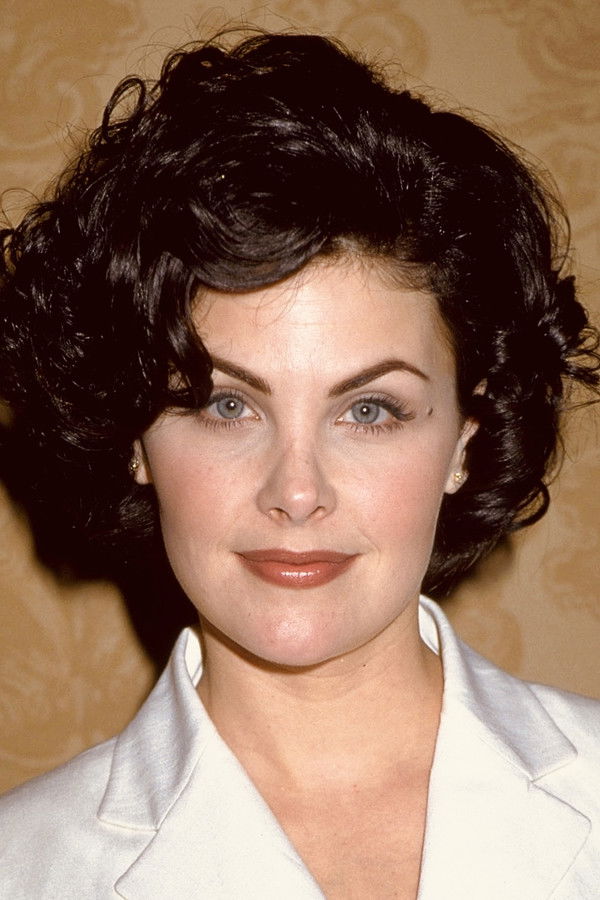
Sherilyn Fenn
Madame Nazimova
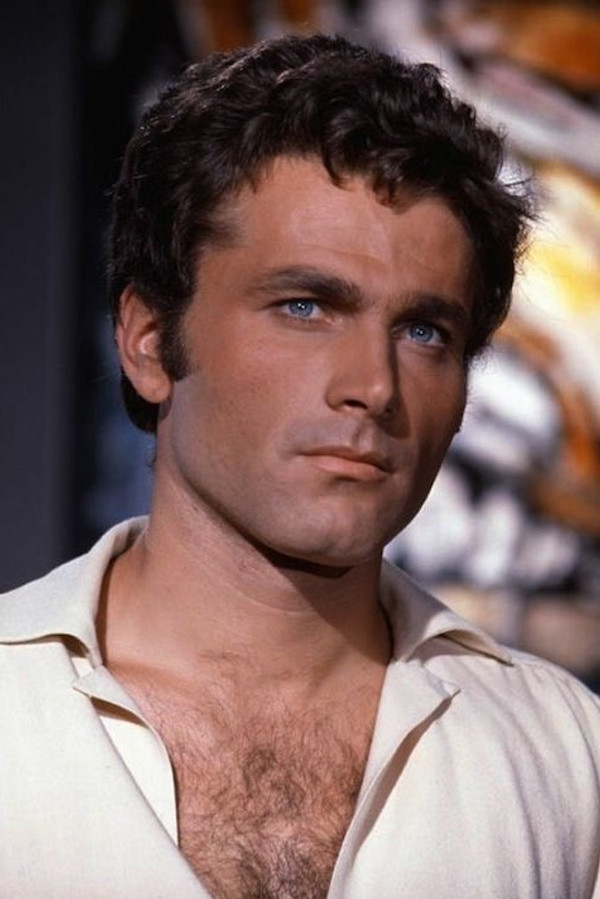
Franco Nero
Valentino's Spirit
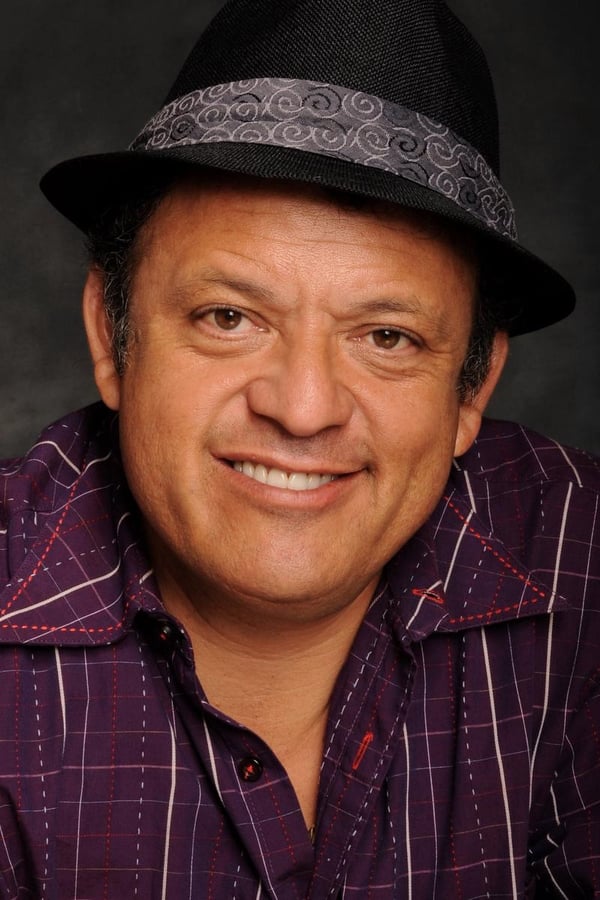
Paul Rodríguez
Alexander De Salm
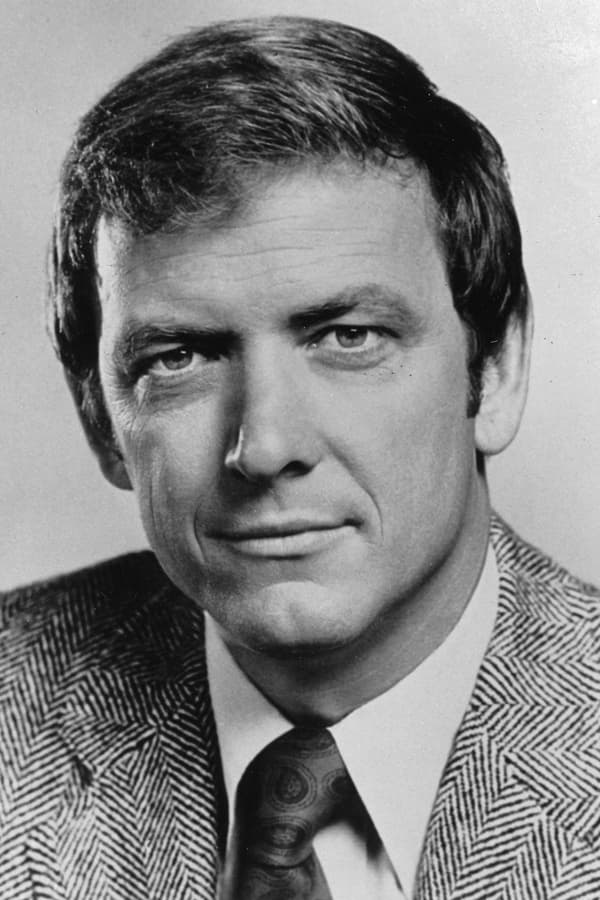
Monte Markham
Dr. Mecker
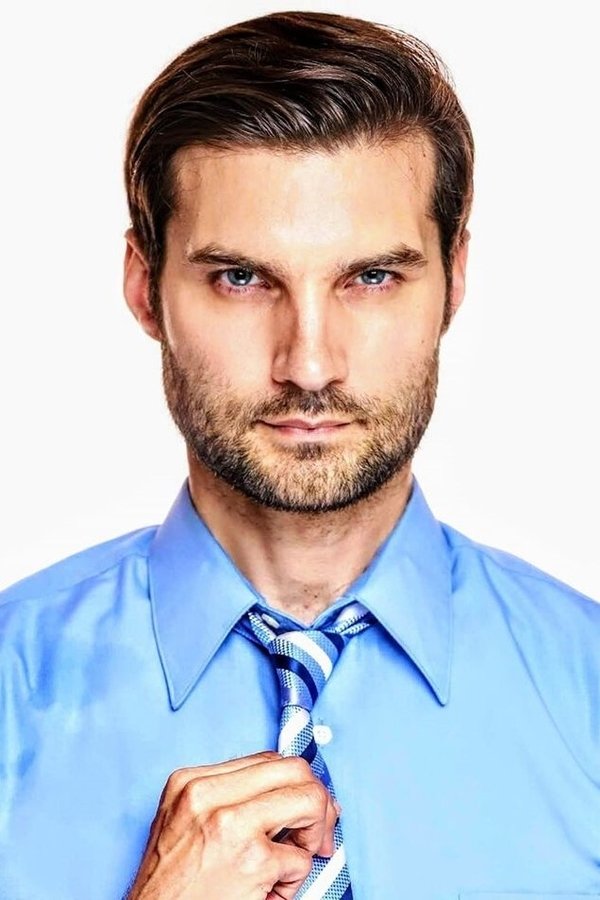
Jeff DuJardin
Paul Hearts

Dalton Cyr
Rudolpho Guglielmi
Dunham Stewart
Young Rudolpho

Ksenia Jarova
Natacha Rambova
Stephen Nelson
Kazimir
Set in a future dystopian United States in which water is running out, Julia Hart’s Fast Color (2018) is a refreshingly different take on the superhero film.
The Roses is a wickedly sharp marital warfare comedy that transforms domestic dysfunction into high art. Olivia Colman and Benedict Cumberbatch deliver powerhouse performances as a couple whose fairy-tale romance implodes when his architectural career collapses just as her culinary empire takes off. What makes Jay Roach's remake so devastatingly effective is its refusal to pick sides—both spouses are equally sympathetic and monstrous, wielding Tony McNamara's razor-sharp dialogue like weapons forged from shared intimacies. It's a film that dares you to laugh at relationship wreckage while forcing you to confront the uncomfortable truth that the line between passionate love and mutual destruction is terrifyingly thin.
With The Father, writer-director Florian Zeller- who wrote and developed the play upon which the film is based- pulls no punches as he confidently makes every effort to put the audience in the mind of someone whose grip on reality has all but vanished. It’s a dazzling testament to Zeller’s abilities as a director as he makes his first transition from stage to film appear as if he’s been working behind a camera his entire career. The dialogue he fashions with co-writer Christopher Hampton, along with the work of production designers Peter Francis and Cathy Featherstone, collectively makes the downward spiral of dementia startlingly tangible, doing so in a way that can be comprehended by everyone except the person it directly affects.
A dynamic journey of self-acceptance and identity.
Films can alleviate alienation by presenting realities where the viewers feelings are shared by onscreen characters. The film 'Shrek' can be interpreted as a transgender story.
Despite its glaring flaws, First Girl I Loved is not entirely undeserving of a watch. For people who can handle the more difficult aspects of the story and graphic scenes, it is worth looking into. It’s not a film worthy of rewatch, but it may still resonate somewhat with those who need a story like this. It is a genuine, if flimsy attempt at a coming-of-age tale. Were the film to be directed by someone with experiences more similar to Anne, it would likely be more powerful--as it is, it feels like a man’s perspective of what it means to come to terms with your identity as a lesbian.