“Pressure” Puts on the Pressure
Pressure is an unambiguously great movie, lead by convincing performances, a well-crafted script, good direction, and at least some social awareness.
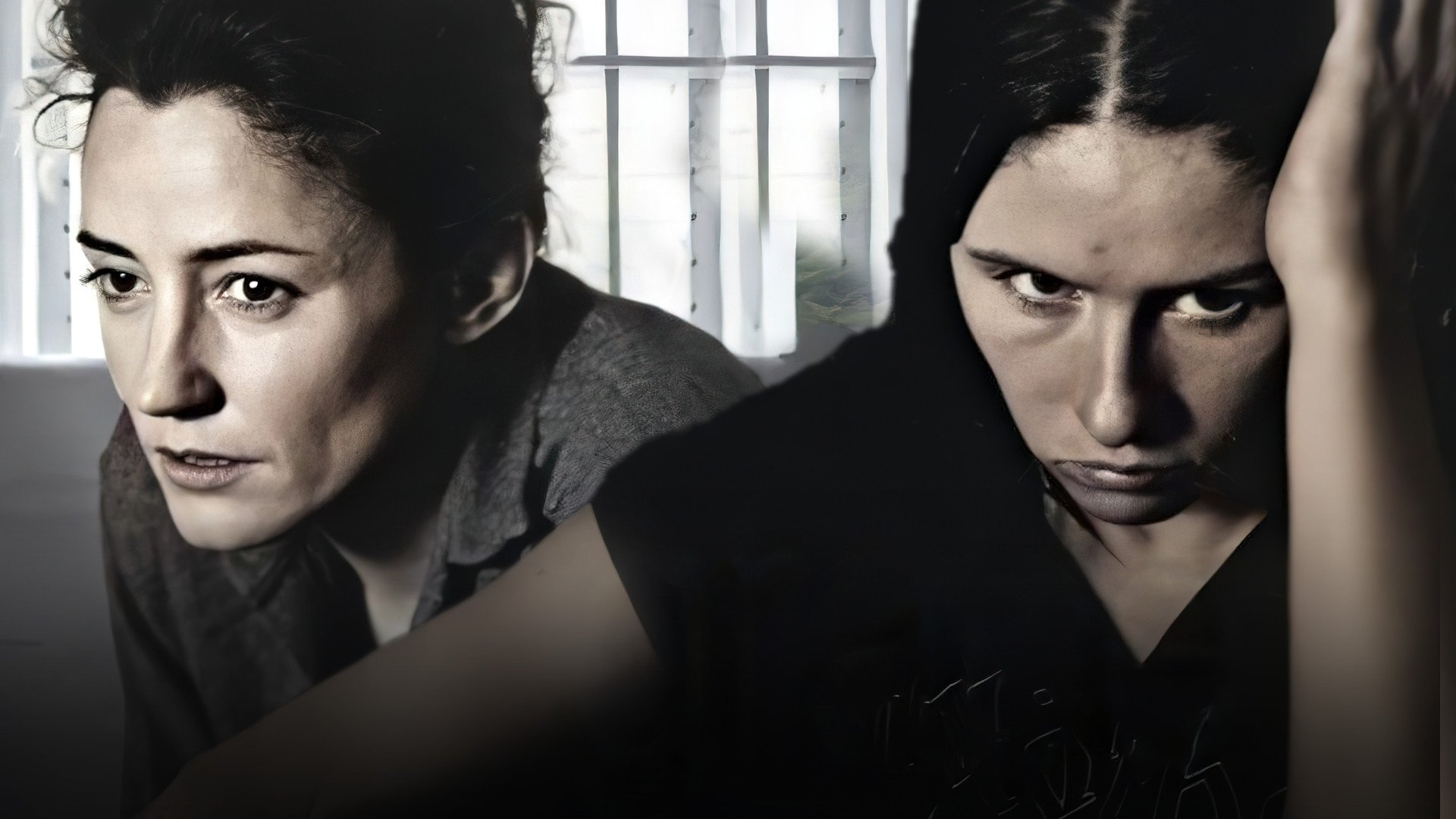
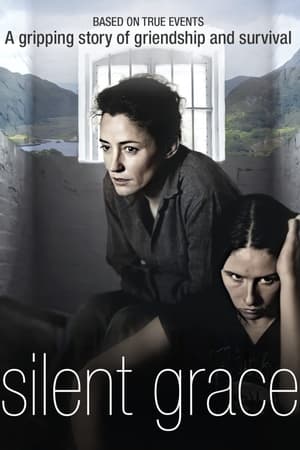


In 1976 the British Government put an end to the special category status of prisoners from the Provisional Irish Republican Army, no longer treating them as prisoners of war, but as common criminals. Mairéad Farrell – on whose life much of the film seems to be loosely based – was the first woman Republican to be refused political status in 1976. By 1980, when the film is set, Margaret Thatcher was Prime Minister and doggedly resolute: “There can be no question of political status for someone who is serving a sentence for crime. Crime is crime is crime.” Silent Grace seeks to capture the struggle for the restoration of political status that was at the heart of prison protests in Northern Ireland – not just by the more celebrated male prisoners – but by a smaller number of women prisoners, led by Farrell, at the Armagh Women’s Prison.

Maeve Murphy
Director

Orla Brady
Eileen
Cathleen Bradley
Aine Quinn

Conor Mullen
Cunningham

Cara Seymour
Margaret

Rob Newman
Father McGarry
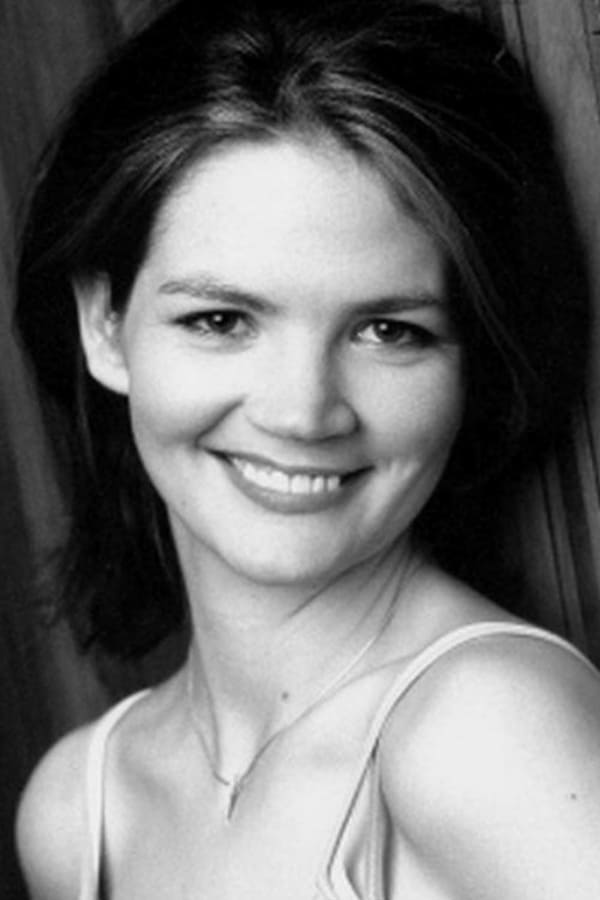
Dawn Bradfield
Geraldine

Patrick Bergin
Peter (as Patrick Connolly Bergin)
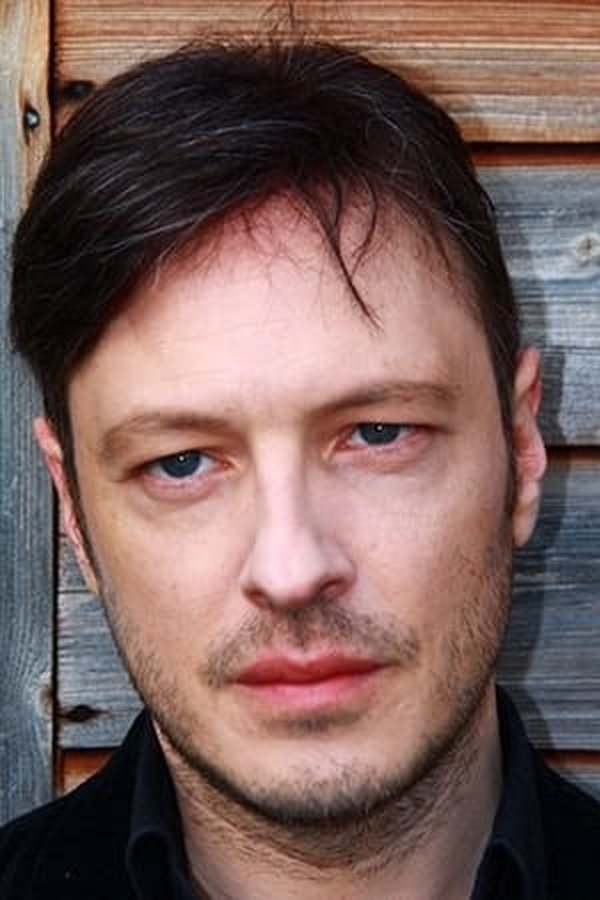
Michael Liebman
Warden Mark (as Michael Liebman)
Marc O'Shea
Kevin Wheelan
Sarah Boyd-Wilson
Ann Bates
Dean Pritchard
Patsy
Pressure is an unambiguously great movie, lead by convincing performances, a well-crafted script, good direction, and at least some social awareness.
When you don’t factor in the plethora of inferior sequels that have been produced, Luca is one of Pixar’s simplest and most unassuming films in years — and there is absolutely nothing wrong with that. The film thrives on being a visual feast with a warm message for all ages, so much so that its unoriginal storyline doesn’t feel that big of a problem.
This theatrical sequel based on the PAW Patrol series features voice actors of color in this action-packed adventure.
The film does not add anything to its own conversation or genre, and falls flat once it’s about to end and must declare some sort of conclusion.
"King Richard" paints a nuanced portrait of a Black father trying to ensure his daughters’ success in a racist, misogynistic world. Yet, Richard and his kids overcome that fear and adversity to succeed.
So. You’ve been quarantined. For many of us in the midst of the coronavirus outbreak, we find ourselves locked in our houses, with not much to do. Here's a list of 19 movies you can catch up on!