



Living People in "It Was Just an Accident"
It doesn’t offer an absolute answer for the dialectical ethical questions that emerged in search of justice but portrays the characters as living people beyond the identities of victims.



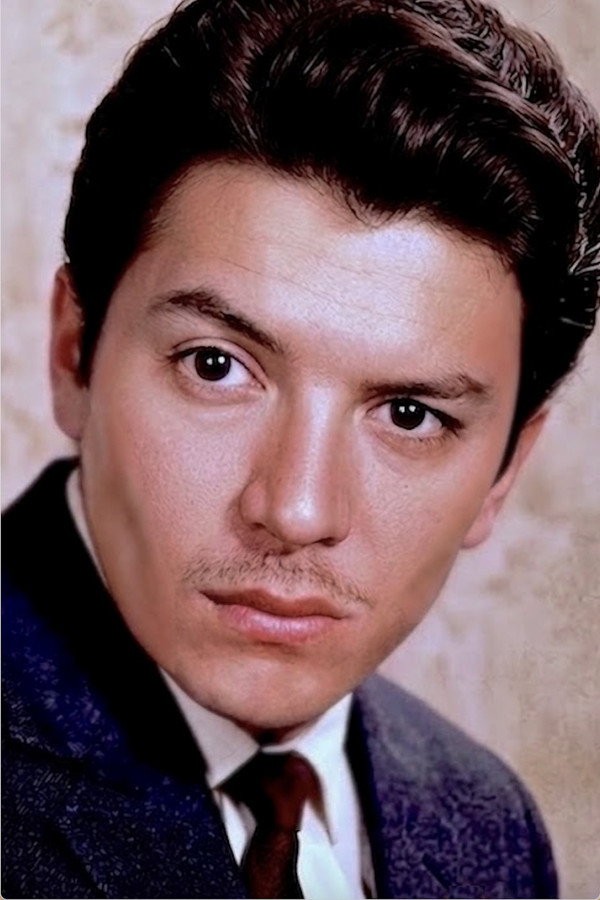
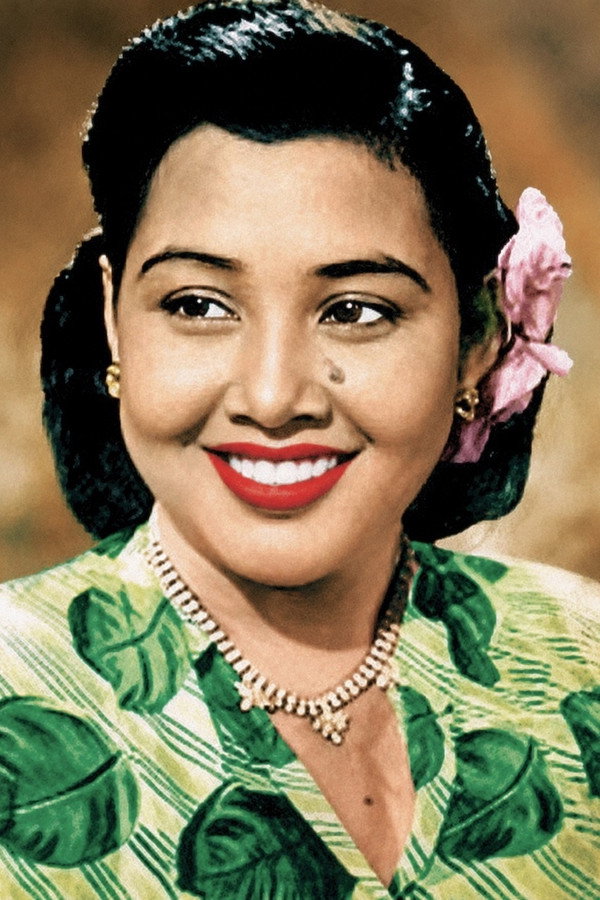
The festivities of Mior Sebatang comes to a halt when a group of cruel bandits led by the powerful Megat Hitam, robs and wipes out the village in a massacre. They take the village head’s daughter, Melor as hostage. The royal palace receives news of the tragedy and Prince Kelana defiantly leaves the palace with his aide to rescue his kidnapped fiancée. Hoping to protect her son, the queen devises a secret plan enlisting the help of her confidante Murai, who possesses mystical powers, to pursue and destroy the bandits ahead of Kelana. With the support of fellow warrior Kancil (played by Mat Sentol), Murai infiltrates the bandits’ hideout. Meanwhile, in his journey to gather firepower, Kelana and his aide discovers the world of other skilled pugilists and vigilantes.
It doesn’t offer an absolute answer for the dialectical ethical questions that emerged in search of justice but portrays the characters as living people beyond the identities of victims.
With a cast of exceptional and exclusively openly gay actors, "Boys In The Band" takes on themes of homophobia, racism, vanity, and substance abuse.
When diverse representation is featured on-screen, it oftentimes comes with strings attached that undermine the message they were trying to send. This can be attributed to the fact that behind-the-screen, the industry primarily does not reflect the breadth of diverse difference that is present in daily life. That’s why when something as powerful and authentic as Minari comes along, it is both incredibly wonderful and needs a large audience to witness it.
Prajdnik Awasthi’s film uses a mix of metaphor and more grounded details to tell the story of childhood sexual abuse that caused the narrator to close himself off from his father.
Him is visually stunning—all concrete cathedrals and bone-rattling impact shots that look like a nightmare highlight reel. Marlon Wayans is magnetic as this legendary quarterback who's basically selling salvation with a smile that never quite reaches his eyes. But the story keeps running in circles: more tests, more cryptic pep talks, more ritualistic drills. The sports-as-religion metaphor beats you over the head when subtlety would've been more effective. The middle drags, and that finale chooses spectacle over substance. It's undeniably stylish, but left me cold. Also worth noting: despite the Monkeypaw connection, this isn't actually a Jordan Peele film—he didn't write or direct.
I was able to sit down and talk with the director of the short film Dog Lover Anne-Sophie Bine as she discussed and how she came to be in film.