'The Marvels' is Actually One of the Best Marvel Movies, No Matter What the Critical Majority Says
This may be controversial… but 'The Marvels' is actually one of the best movies in the MCU. 10 reasons why 'The Marvels' killed it.
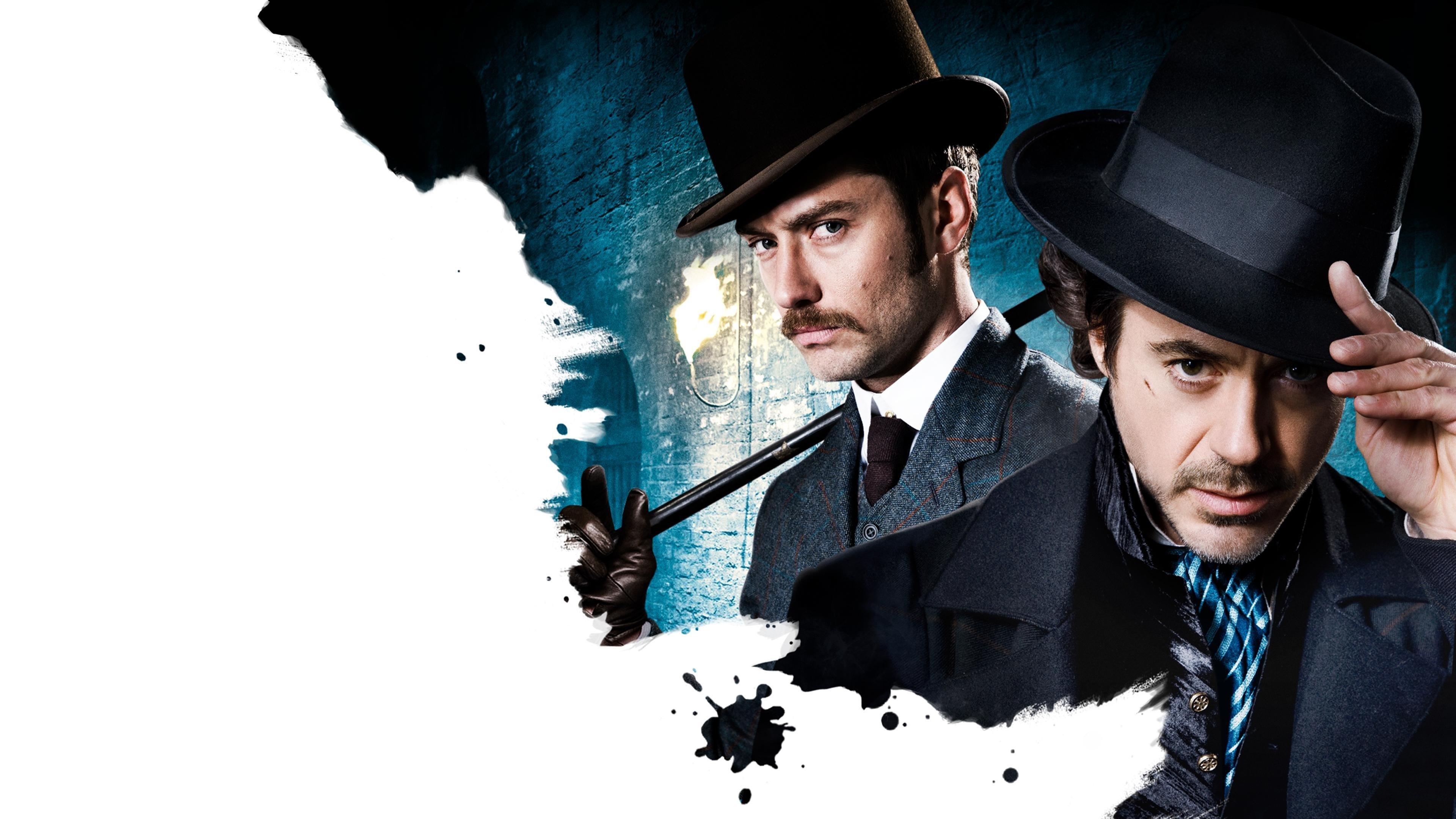



Eccentric consulting detective Sherlock Holmes and Doctor John Watson battle to bring down a new nemesis and unravel a deadly plot that could destroy England.

Guy Ritchie
Director

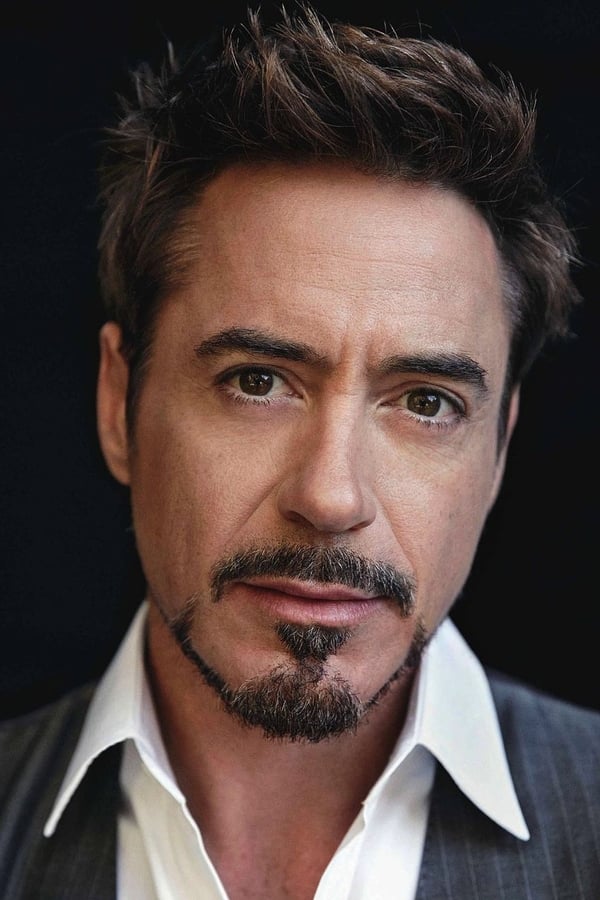
Robert Downey Jr.
Sherlock Holmes

Jude Law
Dr. John Watson

Rachel McAdams
Irene Adler

Mark Strong
Lord Henry Blackwood

Eddie Marsan
Inspector Lestrade
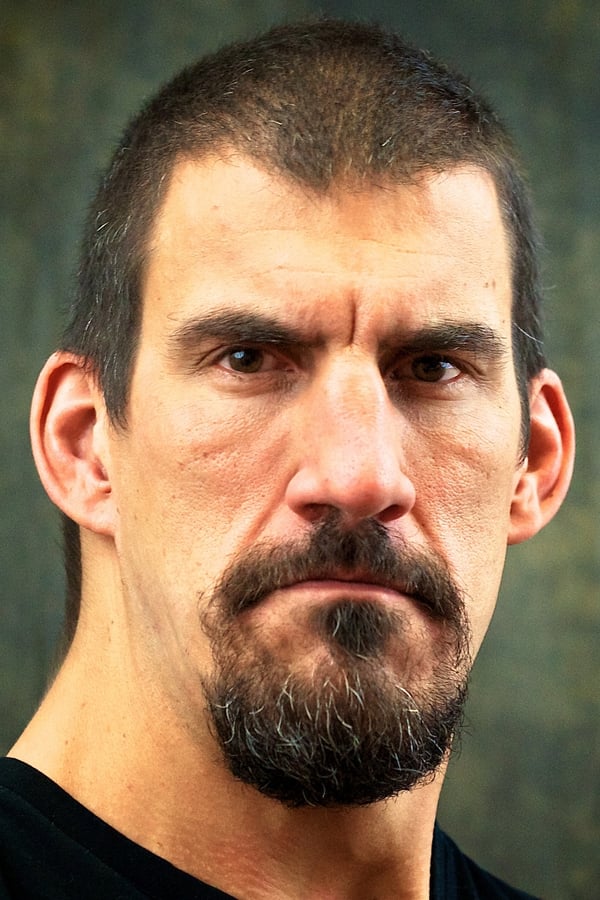
Robert Maillet
Dredger

Geraldine James
Mrs. Hudson

Kelly Reilly
Mary Morstan

William Houston
Constable Clark

Hans Matheson
Lord Coward

James Fox
Sir Thomas Rotheram
This may be controversial… but 'The Marvels' is actually one of the best movies in the MCU. 10 reasons why 'The Marvels' killed it.
The Outer Senshi get characterization and some stellar moments in the second part of the Eternal movie duo.
Sinister and suffocating, 2022's The Black Phone delivered more than just scares - it brought atmosphere, depth, and a villain audiences won't soon forget.
Life may find a way, but is it worth testing its fierceness and how far it will go?
This sports drama movie is centered around an Asian American boy named Chang.