



The precarious representations in One Battle After Another
A bumpy journey about revolution and family makes us feel fear, disgust, humor, and satisfaction.
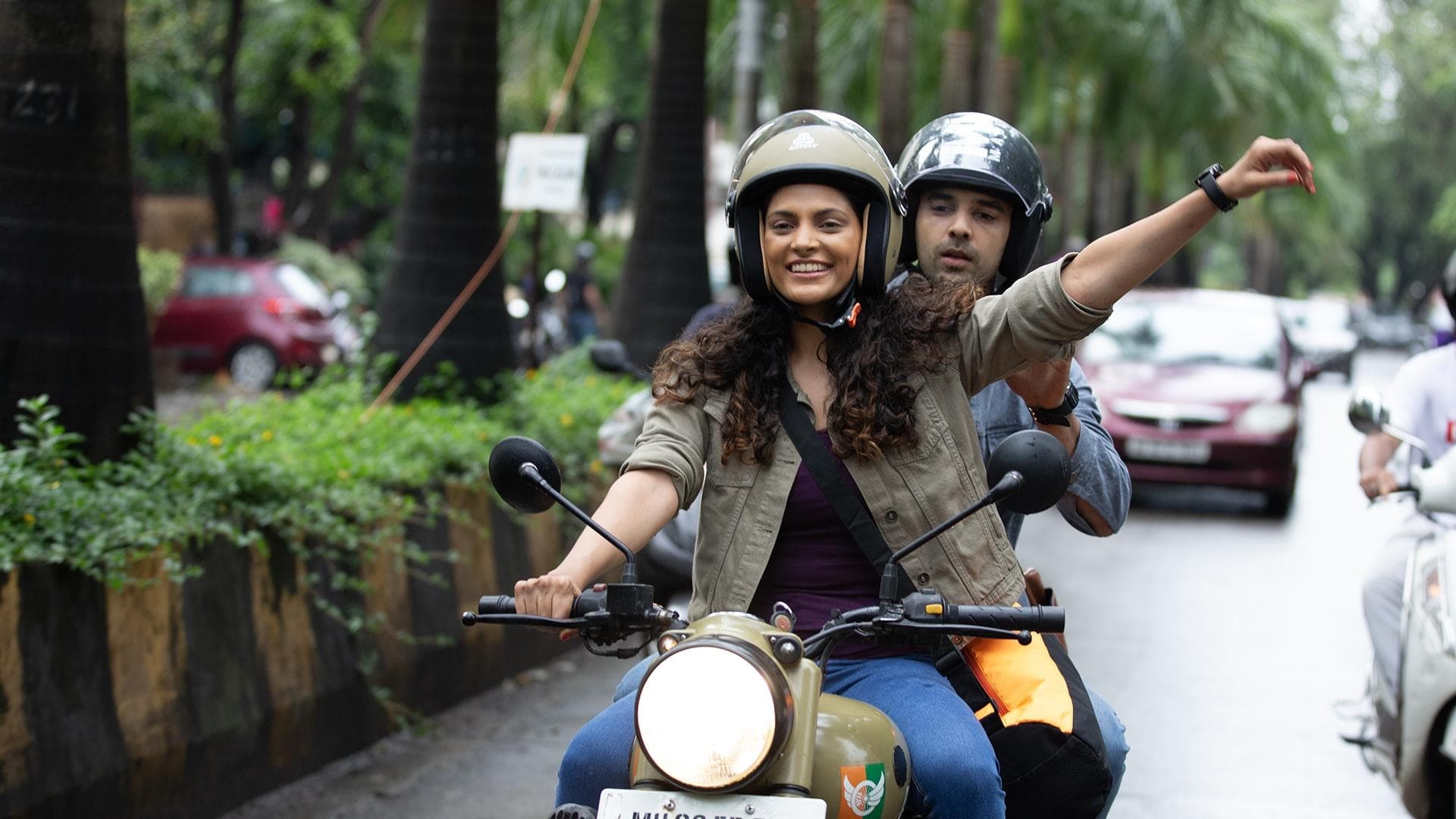
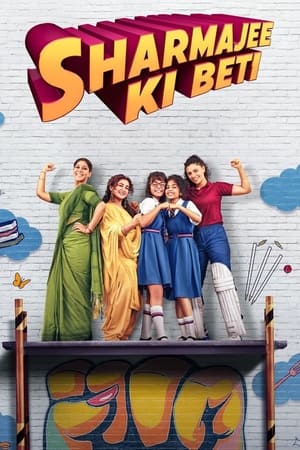


Sharmajee Ki Beti intricately weaves the lives of Jyoti, Kiran, and Tanvi, all with the common surname of Sharma as they navigate urban loneliness, societal pressures, and gender expectations. Amidst their struggles, teenagers, Swati and Gurveen journey through puberty and maternal neglect, adding depth to this humorous and heart-warming tale of resilience, aspirations, and coming-of-age.
A bumpy journey about revolution and family makes us feel fear, disgust, humor, and satisfaction.
From its visually stunning opening credits, which show women dancing through a forest to musical rhythms that sound almost primal, to its quiet, heartbreaking final frame, Mona Fastvold’s historical rendering of the Shaker religious movement is an experience that will stay with me for a long time.
If the message here is that without a support system, grieving people turn into monsters, it’s not really well-delivered and may be flawed as a message itself.
The “gay best friend”, an age-old trope, has been done in countless films and television series. Ranging from one-note (Sex and the City's Stanford and Mario) to nuanced (Unbreakable Kimmy Schmidt's Tituss), the gay best friend exists to support and advise the main protagonist, with their conflicts swept to the side.
Ever heard of the bad boy type? The type of man who's sexy yet broody, or the type of man who’s dangerous but has a sensitive side? It’s a well-known stereotype that women are attracted to villains. The question is: why are we?