

Taking a Break from the News by Watching the News- but does “Last Week Tonight” Count?
Acutely funny and always well-intentioned, Last Week Tonight has a lot of heart for a satirical-news program.

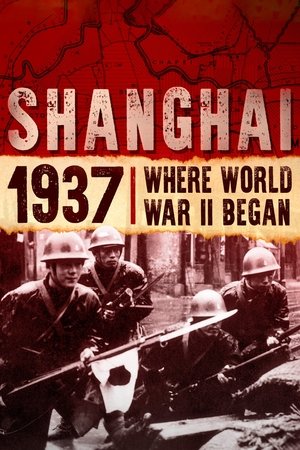


The Battle of Shanghai has been described as the last battle of World War I, and the first battle of World War II. It was a warning to the world, a warning that was ignored. And it was the place where the destiny of modern China was set in motion. Based on the book “Shanghai 1937: Stalingrad on the Yangtze” by Danish author Peter Harmsen, this film introduces key figures in the conflict, chronicles how the battle unfolded over the course of three months, and explores the aftermath and years of war that followed.
Acutely funny and always well-intentioned, Last Week Tonight has a lot of heart for a satirical-news program.
There’s been a longstanding criticism of sci-fi films about its lack of Black characters. For the past few years, Anthony Mackie has been successfully representing Black masculinity in the otherwise homogenous genre and I am here for it.
Shudder makes an incredibly atmospheric docuseries about the darker side of Hollywood mysteries.
"The Old Guard" doesn't break ground, but it sure does bust boredom and fictional heads as an entertaining action romp on Netflix.
When we hear Korean Cinema, we often think of South Korean Cinema, but what about North Korea? Sure, North Korea has its propaganda moments, but 'Pulgasari' might be its best one yet.
In season 3 of 'Umbrella Academy', Diego, Allison, and Viktor finally get character arcs that address their unique experiences as a Latino man, a Black woman who lived through the 60s, and a trans man.