






Reflecting on 'The United States vs. Billie Holiday'
Lee Daniels’s Billie Holiday biopic The United States vs. Billie Holiday was released on February 26th, 2021, and my immediate reaction to it was one of discomfort.
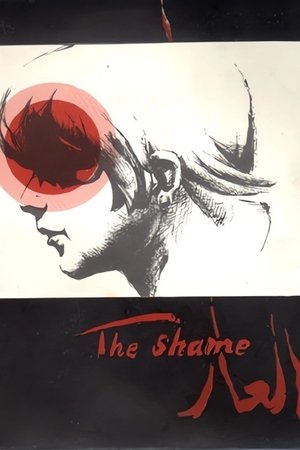


An anthology film that features three stories about the suffering of the people of the Syrian countryside in the time of feudalism; the first is about a poor peasant who falls victim to an agent of feudalism, the second is about a little girl, who has to get medicine for her feverish mother. As for the third story, it depicts the tools of feudalism in wresting the land from the peasants.
Lee Daniels’s Billie Holiday biopic The United States vs. Billie Holiday was released on February 26th, 2021, and my immediate reaction to it was one of discomfort.
This animated movie focuses on Nick Daley, the son of Larry Daley, as "Kahmunrah Rises Again."
In Spike Lee’s She’s Gotta Have It (1986), we follow the love life of powerful female protagonist Nola Darling (Tracy Camilla Johns) and explore the relationship dynamics she has with her partners. She sees three men simultaneously: Greer Childs, (John Canada Terrell) Mars Blackmon (Spike Lee), and Jamie Overstreet (Tommy Redmond Hicks). Though an 80’s film, She’s Gotta Have It is surprisingly progressive with its themes of female sexuality, although at some points in the film it is handled clumsily. Overall Nola is an incredibly compelling character especially for modern women, as we as a society acknowledge female sensuality more and more without the negative stigma.
The beating heart of this film is the relationship between Anna Osborne and Sonya Rockhouse.
‘Barbie’ is an entertaining, meaningful piece of filmmaking with a heartfelt message.
After two months of refusing to see this movie, I have decided that it’s finally Morbin’ time. After its re-release as a box office bomb; I watched it just to laugh at it. But, I was also surprised, because 'Morbius' is a queer allegory.