



'Easy A' Is Pretty Anti Sex
'Easy A' is emblematic of a world that liked to sarcastically pretend it was progressive but wasn’t actually ready for that change, making it pretty anti-sex.

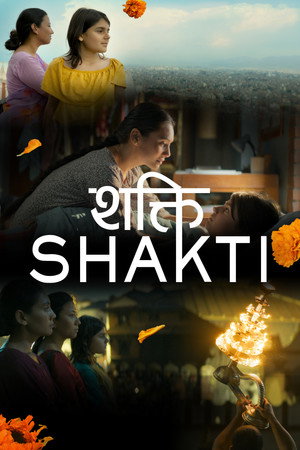


First let me start by acknowledging my lack of exposure to Nepali culture. I will do my best to approach this review with the appropriate respect and dignity.
From the very first scene, the film wastes no time outlining the journey we’re about to take. It punctuates a sexist, caste system which is an integral component of the plot. Although I didn’t quite understand all the cultural references I did appreciate the meaning behind them. This subtitled film is obviously meant for an audience well-versed in Eastern culture. Nonetheless, the production, actors’ performances and score provide balance to the experience. Unfortunately, it does take some time to orient yourself but it is well worth it.
The story centers around ‘Lila’(Polina Oli), who discovers her “shakti” or power after experiencing abuse from her art teacher, ‘Rabi’(Akash Nepali). She is a misunderstood, artistic pre-teen doing her best to navigate her parent’s divorce and a strict upbringing in the shadow of the caste system.
‘Lila’ lives with ‘Durga’(Laxmi Bardewa), her mother, and her aunt ‘Maya’(Menuka Pradhan), eking out a meager but adequate existence in Kathmandu. This dynamic is reminiscent of ‘Real Women Have Curves’ complete with miserable-mother vibes. ‘Durga’ and ‘Maya’ are disillusioned with their own lives in a restrictive culture and seem to be dragging ‘Lila’ down that same path.
After a short visit to a local art school ‘Lila’ begins one-on-one instruction with ’Rabi’ and it is initially a good experience, receiving positive feedback on her drawings. However, things take a dark turn when ‘Rabi’ starts to abuse ‘Lila’.
These scenes are tough to watch, as well they should be for anyone with a soul. While not graphic, it leaves the viewer to their own imagination about what is taking place. This is usually a technique in horror films and serves quite the same purpose here making it even more disturbing.
After becoming withdrawn and depressed, ‘Maya’ urges ‘Durga’ to take ‘Lila’ to see a Shaman(Sarita Giri). The way spiritualism/mysticism is regarded is refreshing. ‘Durga’ is skeptical but it feels like a common practice in their culture, like going to any medical specialist.

When her mischievous daughter falls mysteriously ill, a single mother is drawn into Kathmandu’s supernatural underworld of shamans and secrets— where resilience may be their only path to redemption.
'Easy A' is emblematic of a world that liked to sarcastically pretend it was progressive but wasn’t actually ready for that change, making it pretty anti-sex.
An animated reboot based on the book of the same name, with differences from the live-action movie of the same name.
Greta Garbo, a queer actress playing a real-life queer Queen is the best of both worlds.
You'd better buckle up, pack spare underwear, & maybe lay off the drinking for a night, for a gnarly ride in New York!
Mr. Malcolm's List is a pleasant promenade through a fantasy Regency-era England filled with people of color. For fans of Bridgerton, this is the PG version of the show, but with completely colorblind casting and a much lighter tone.
Gotham City Sirens needs a female voice behind the camera. So, on the chance someone from DC films is reading this, here are ten female directors who would be good choices for Gotham City Sirens.