

'A Babysitter's Guide to Monster Hunting'
This horror movie combines elements of horror and babysitting with Black representation.
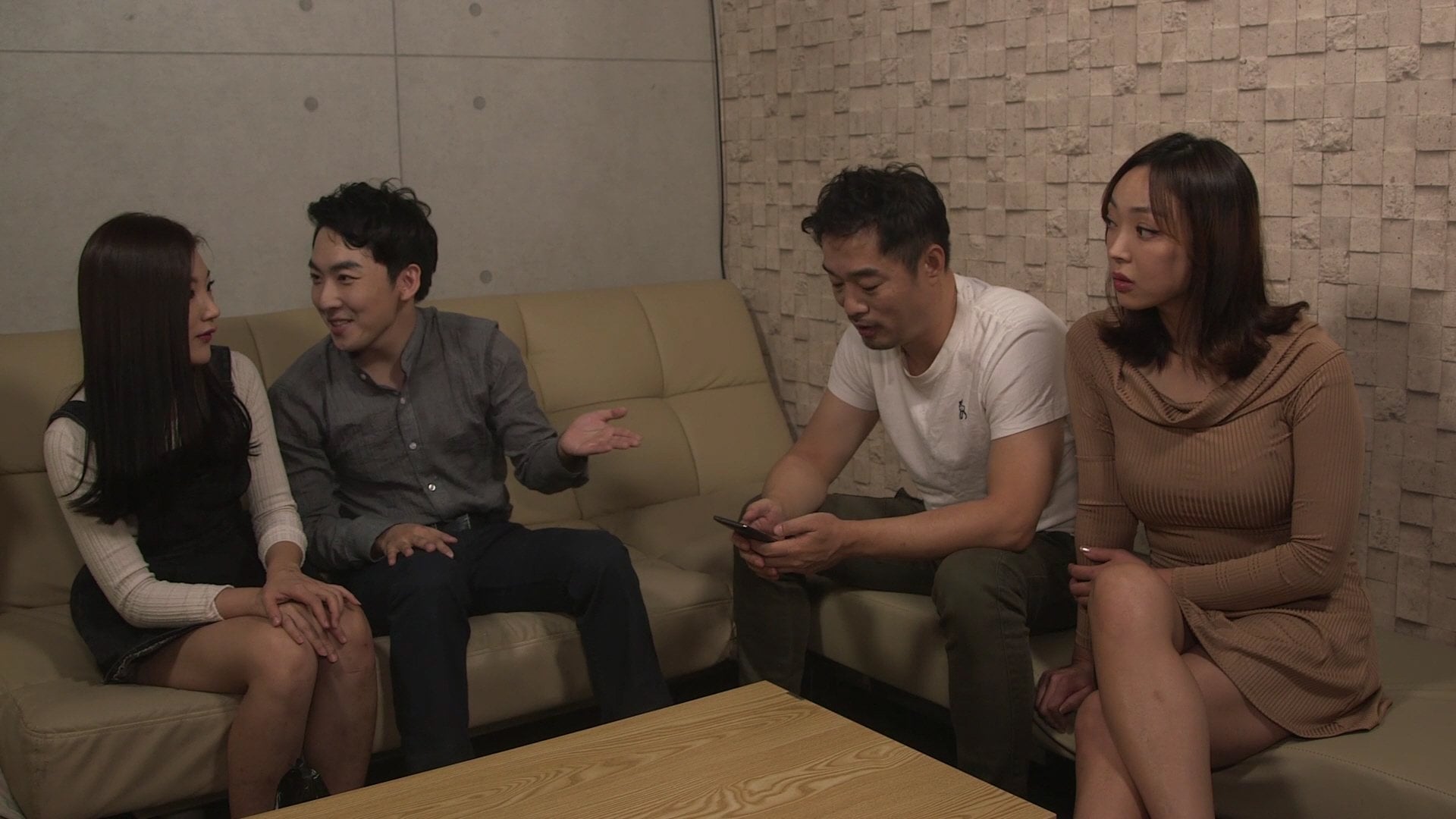
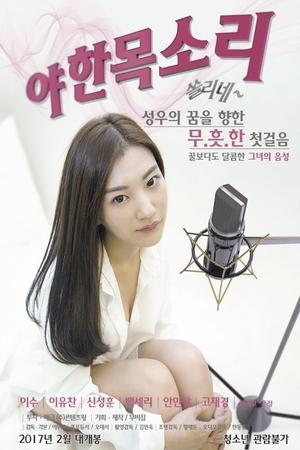


Ria comes to Seoul from the countryside with dreams of becoming a voice actor but fails in every test. One day she goes for an audition but for actors who read erotic stories. Ria thinks of it as practice before becoming a real voice actor. Seong-tae was having difficulties running the website and when Ria changes all that, he starts to have feelings for her. Joon-beom helps Ria from danger one day and they fall in love with each other. Meanwhile, Ria's father comes to Seoul from home... Seong-tae makes a mistake and the website is closed while Chae-yeong betrays him... Their relationship just gets more and more complicated...
This horror movie combines elements of horror and babysitting with Black representation.
The film's storylines read as allegories for the queer experience and that's a source of solace for LGBTQIA+ fans!
Summit Station, the longest running lesbian bar in Ohio, was one of the places that made lesbian community possible.
There’s enough evidence to insinuate that What We Do in the Shadows is intentionally queer-coded.
It only seems to prove that when the company had their backs against the wall and needed an all pleasing, generic movie that had to make up for The Last Jedi, they chose to sacrifice almost everything that made their main protagonist interesting and that made her stand out as the strong female character that a generation of young movie goers was supposed to look up to. Instead, we were left with a Rey that was so much less than she could have been. And I guess that’s the real story of Rey and The Rise of Skywalker; they could have been so much more, but they were just more of the same.
Sweetheart provides a stark example of self-isolation taken to its extreme.