



Excessive and Annoying: The Overhyped Failure of 'Deadpool and Wolverine'
Wolverine carries Deadpool - literally and figuratively
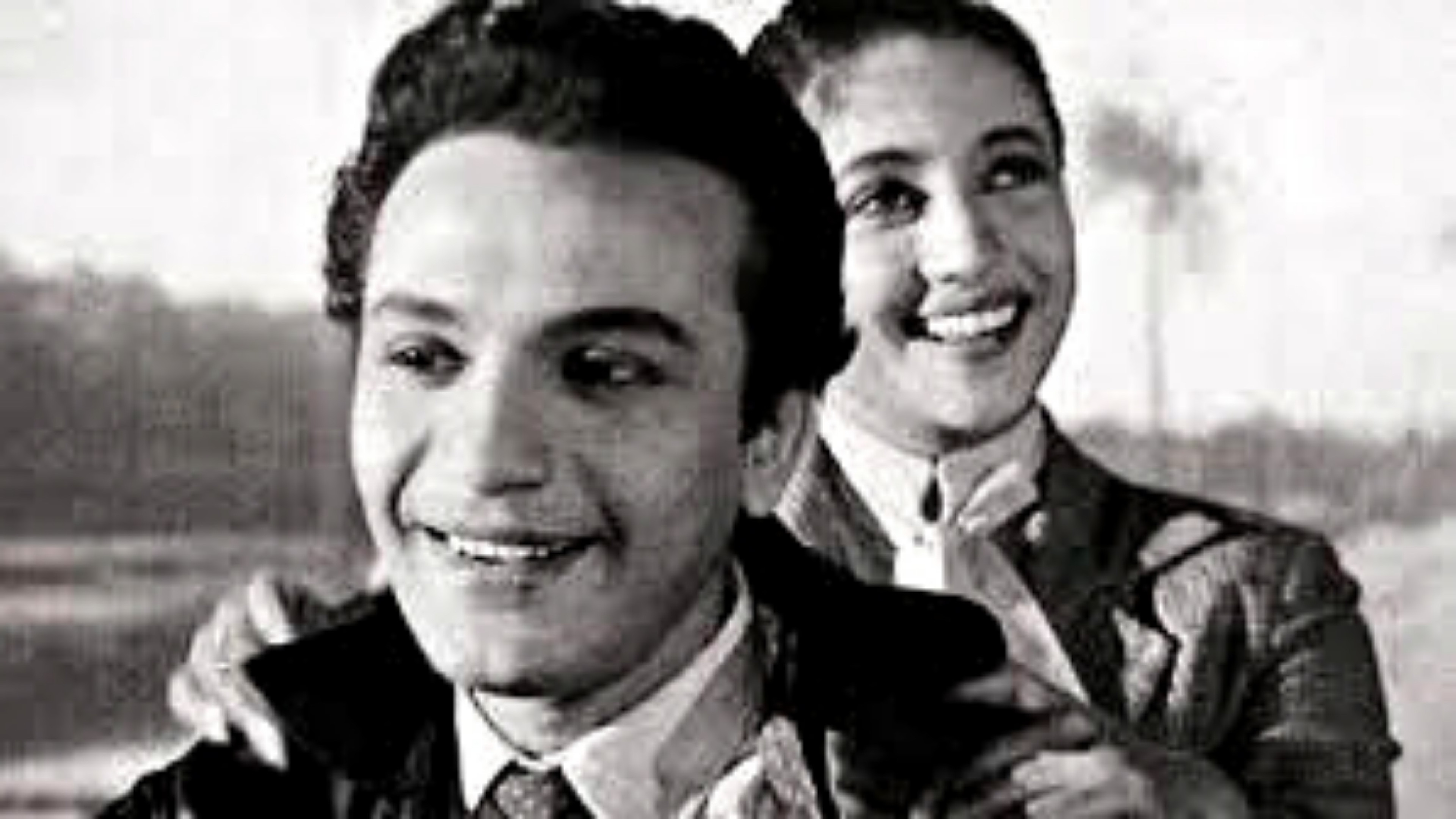
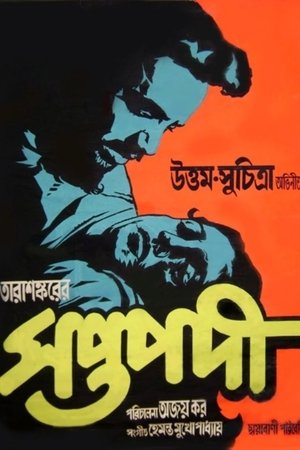


During WWII an army doctor is brought a drunken Anglo-Indian woman, whom he'd once loved, for treatment.
Wolverine carries Deadpool - literally and figuratively
Netflix’s Shadow and Bone has a complicated relationship with race. It has a diverse cast, but not without its problems. Based on Leigh Bardugo’s two book series, the show features characters from the Shadow and Bone trilogy, which is very straight and white, and the Six of Crows duology, which is much more diverse. When bringing together a cast and writing about these characters, the team behind the show expanded upon some of the representation missing from the first trilogy, then seemed to take away representation from the duology. Shadow and Bone seems to play a bit of a push and pull game when it comes to portraying diversity onscreen.
Documented human suffering is never easy to view or read about and is understandably triggering for many people, but it can be educational, and education is a key to change. An overwhelming amount queer people worldwide (and in my own country) have it far worse than I could imagine, and documentaries such as Welcome to Chechnya bring issues to light that certain groups of people would never see.
Essentially 'Get Out' but for white women, 'Don't Worry Darling' has strong material with its twist reveal, but the writing and directing falter trying to execute it.
Writing great villains is about striking a balance between charming and evil, so we love them but also love to see them lose.
Making Apes begins by looking back at the history of makeup effects in Hollywood, which was revolutionized by Jack Pierce, the person behind Frankenstein (1931) and The Wolf Man (1941)