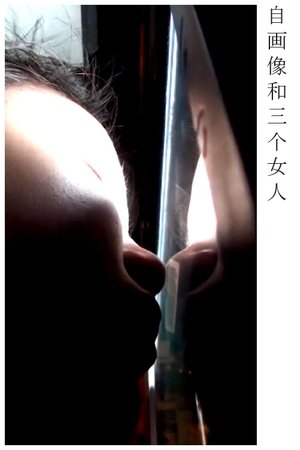
Self-Portrait with Three Women
The 23-year-old director, fresh out of university, lives at home with her mother and grandmother. She rebels against them but also tries to understand the generation gap between them. While she gets angry and questions their expectations of her as a woman (i.e., to marry and have children), she also gropes for the meaning of real love. Along with her mother and grandmother, the three women wring out their loves and hates with explosive strength. The director in her performance piece uses her own body to project the images of her mother, turning her lost loves into springboards, practically jumping out of the screen so she can shout with all her might.

- / 5
PopScore
Representation
Pictures and Videos

Movie Information
The 23-year-old director, fresh out of university, lives at home with her mother and grandmother. She rebels against them but also tries to understand the generation gap between them. While she gets angry and questions their expectations of her as a woman (i.e., to marry and have children), she also gropes for the meaning of real love. Along with her mother and grandmother, the three women wring out their loves and hates with explosive strength. The director in her performance piece uses her own body to project the images of her mother, turning her lost loves into springboards, practically jumping out of the screen so she can shout with all her might.
Rating:
Genre:Documentary
Written By:
In Theaters:
Box Office:
Runtime:70 minutes
Studio:Caochangdi Workstation
Cast

Articles You May Like
I “Hope” You See This Movie
Hope has great characters, inventive ideas, an incredible imagination, a palpable intensity, and numerous other aspects that make it one of the best of the year.
The Suicide Squad—An Overlooked and Underrated "Sequel"
Since Season 2 of Peacemaker is currently airing, let’s revisit the movie that started it all.
‘Spider-Man: No Way Home’ Is a Love Letter to the Fans
"Spider-Man: No Way Home" isn’t just a movie; it’s an experience. It's one of the best superhero movies thanks to the amazing writing, the fantastic performances from the actors, and a healthy helping of fan service.
'Zoey 102'-PCA Reunites in this Throwback Romcom
This young adult movie focuses on relationships in this high school reunion.
‘Lioness’ Roars in Paramount+’s Political Thriller
Zoe Saldaña is a CIA operative who leads a special program that recruits women to infiltrate and dismantle international criminal enterprises, with a QRT(Quick Response Team) providing operational security that shoots people and blows things up on a weekly basis.