The Enduring Beauty of “Persepolis”
This powerful story shines with poetic animation, an exploration of deeper truths, and the protagonist's complex search for identity.
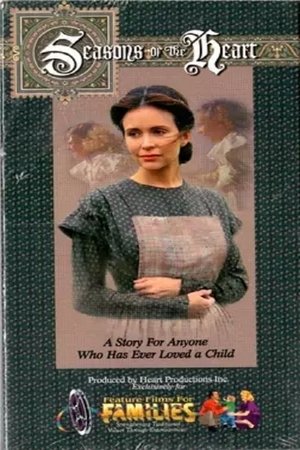


Martha and Jed Richards live in Oregon in 1862. They and their two daughters moved there to make a new life, but the daughters died of cholera along the way. This has left Martha an emotional wreck, and she is unable to move on with her life. That is until an orphan named Danny comes to live with them. Jed immediately accepts Danny as his son, but Martha is still too upset to be able to love him. As time passes, however, she finds herself more and more able to accept him as part of the family.

T.C. Christensen
Director


Leigh Lombardi
Martha Richards

Sam Hennings
Jed Richards
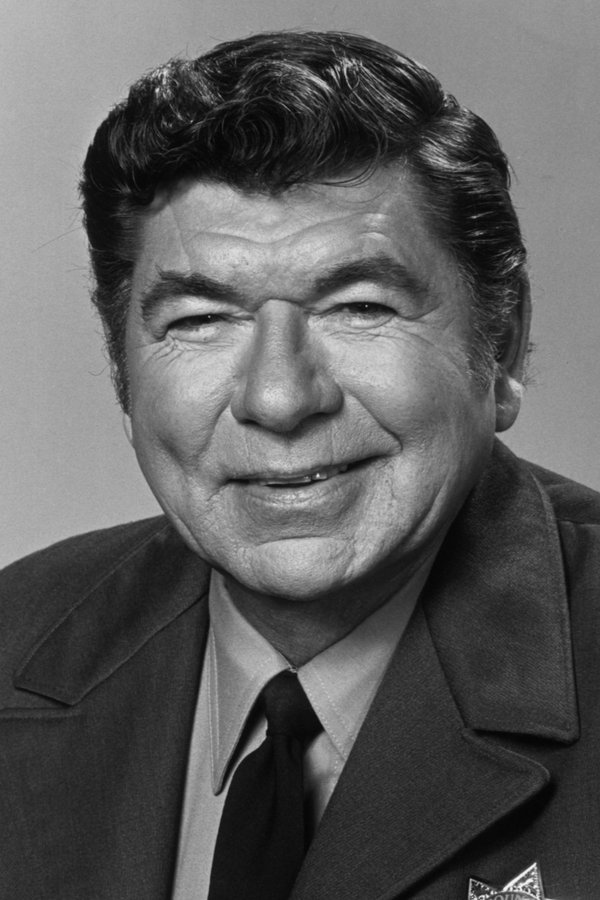
Claude Akins
Pastor William Clay
Logan Hall
Daniel Merriss

Yvonne De Carlo
Older Martha (voice)
David Michael Taylor
Boy at the Social
Haley Christensen
Woman at the Social
Kathryn Little
Daniel's Mother
Jenna Lee Hagen
Lucy Richards
Sydnee Hawley
Pauline Tanner
Derek Spriggs
Heber Tanner
This powerful story shines with poetic animation, an exploration of deeper truths, and the protagonist's complex search for identity.
It only seems to prove that when the company had their backs against the wall and needed an all pleasing, generic movie that had to make up for The Last Jedi, they chose to sacrifice almost everything that made their main protagonist interesting and that made her stand out as the strong female character that a generation of young movie goers was supposed to look up to. Instead, we were left with a Rey that was so much less than she could have been. And I guess that’s the real story of Rey and The Rise of Skywalker; they could have been so much more, but they were just more of the same.
It’s easy to dismiss Joel and Ethan Coen for writing from the world they build from outside the box of overarching Hollywood stereotypes, but their inability to compromise their collective vision is precisely what makes the simplistic nature of their world-building and characters so brilliant. It’s also what led Fargo to collect seven Oscar nominations and two wins for Best Original Screenplay and Best Actress for Frances McDormand’s brilliant portrayal of the sincere, motherly detective whose wholesome demeanor seizes the day over the selfishness, corruption and evil of the men who don’t comprehend that there’s more to life than a little money.
Baggage’s experimental mixed formats visualized a woman’s brave inner journey of visiting the museum of her fragmented memories.
During the rise of fascism in Mussolini's Italy, a wooden boy brought magically to life struggles to live up to his father's expectations.
This animated kids' movie shows viewers two different species--jungle animals and aliens--and how both species coexist.