
What Netflix’s 'Daredevil' Gets Right and Wrong About Blindness
The "Daredevil" renaissance is finally upon us! As we return to the Netflix show, let's take a look at the ways the show gets blindness right and wrong.
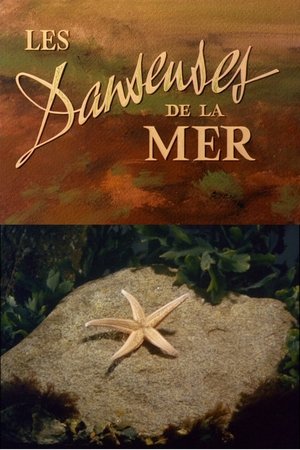


Two kinds of starfish, the brittle and the feather. The brittle star moves its arms alone, without the aid of suckers. Underneath is a single opening. Stalks move food close to the mouth and move waste away. We see vents, used in reproduction and breathing. We watch the hatched young expelled into the water. The camera shows us brittle stars' intricate patters. We observe feather stars in clusters, like ferns. One turns over slowly; arms have branches with stalks for breathing and gathering microscopic food. Reproductive organs are inside branches. We see eggs develop at 1,400 nature's speed. Larvae emerge, 0.1 mm long. They grow. A feather star takes a walk.
The "Daredevil" renaissance is finally upon us! As we return to the Netflix show, let's take a look at the ways the show gets blindness right and wrong.
This powerful story shines with poetic animation, an exploration of deeper truths, and the protagonist's complex search for identity.
April, a professional dancer, reluctantly trains a group of girls at a dance school for the dance competition.
Curry Barker’s film, Obsession, soars in success this past May leaving everyone who has watched it in extreme chills and disturbance. And taking it to new levels of why men are always the root of horror films even when they try not to be.
'Yuri!!! on Ice' turned queerbaiting on its head and gave me hope when I needed it the most.
At first glance, Black as Night is a strange title choice for a film about vampirism in post-Katrina New Orleans. However, the title alludes to the world's anti-black and colorist messages.