




‘Viral’ Review: Ignorance is a Dangerous Thing
Throughout the film, Kate desperately tries keeping her status as an influential YouTuber; however, her follower and view count crumble, mirroring the world around her.
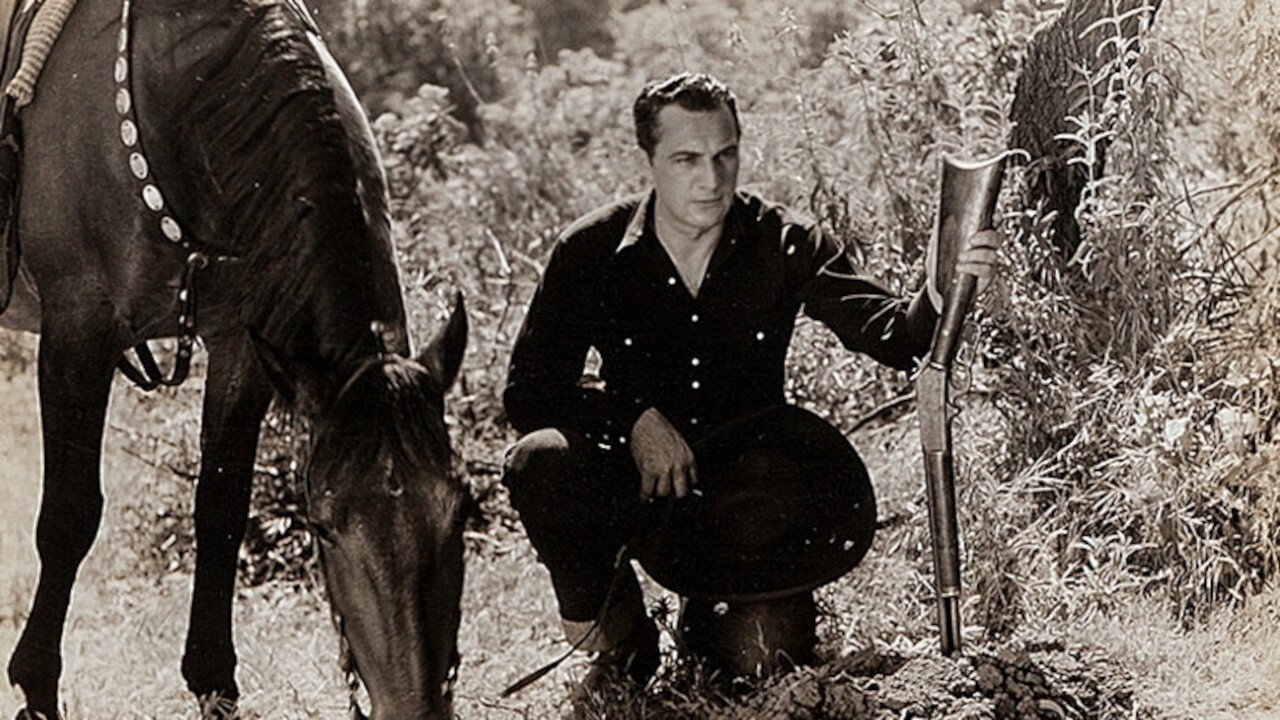
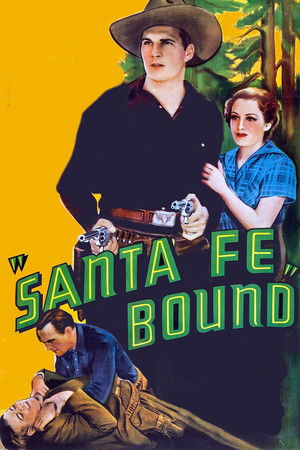


Riding toward Santa Fe, Tom Crenshaw shoots a bushwhacker who has killed Dad Bates from ambush. Discovering a money belt on Bates, Tom carries it to town, along with a letter he finds in the pocket of the killer, which offers him the means of identifying either of the dead men. In town, Tom has a run-in with gunman One-Shot Morgan and one of Morgan's henchmen sees Tom with the money belt. Tom poses as the renegade who did the killing and is accepted by Morgan and his gang. Tom's plan is working until one of the gang who knew the killer shows up and denounces him as an impostor.
Throughout the film, Kate desperately tries keeping her status as an influential YouTuber; however, her follower and view count crumble, mirroring the world around her.
"Terrace House" improves on the standard reality TV format by affording its cast privacy, freedom, and respect.
The film seems like an extreme interpretation of the conspiracy theorists that exist in real life. And then, there’s the twist.
Han's turn to villainy in 'Frozen' was foreshadowed cleverly in the story.
I didn’t love Expecting Amy, the mini-series following Amy Schumer’s pregnancy, but it brought up a lot of great unspoken side-effects of working and growing a human in America.
The power to function. As people, we are richly blessed to have the wide ranging scope of what we can accomplish…physically and mentally…that aid in everything we desire to strive for and, ideally, accomplish. However, what if someone was experiencing daily life with these elements….only in a more muted manner?