



KPop Demon Hunters—A Battle of Heart and Soul
KPop Demon Hunters took social media by storm recently—is it truly as good as people have hyped it up to be?
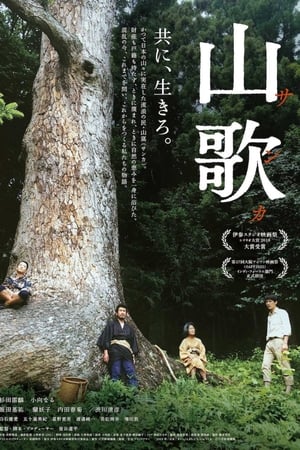


It is 1965, a time of rapid economic growth for Japan and also a time when the people called Sanka, a nomadic band of outcasts, were fading away. Having arrived at his father’s countryside estate from Tokyo to focus on preparing for his high school entrance exam, a lonely 15-year-old named Norio (Rairu Sugita) encounters three Sanka, first teenage Hana (Naru Komukai), then her father Shozo (Kiyohiko Shibukawa) and her grandmother. Taken under their wing and drawn to their simple and rugged lifestyle, Norio begins to spend his summer days fishing in the rivers and catching snakes in the bush for food. He also witnesses how they are discriminated against by people like his authoritarian father who rejects their illogical lifestyle. With bad blood already existing between Norio and his father, and a hopeless desire to become one with the Sanka, Norio is forced to confront the cruel reality of his age.
KPop Demon Hunters took social media by storm recently—is it truly as good as people have hyped it up to be?
While everyone was going gaga over The Odyssey, Desert Warrior was quietly taking audiences on an epic Arabian “knights of the sand table” adventure
It doesn’t offer an absolute answer for the dialectical ethical questions that emerged in search of justice but portrays the characters as living people beyond the identities of victims.
The external threat invaded the domestic environment at the most valuable moment: grieving.
'The Mad Woman and the Feminist': This Spanish entry for the MiamisFF directed by Sandra Gallego handles a difficult conversation in a smart, memorable way.