“Bury Your Gays” Trope in TV and How “Wynonna Earp” Defies it
I think that the happiness and survival of "Wynonna Earp"’s LGBTQ+ characters is incredibly refreshing in contrast to the prevalence of queer suffering and death in other television.

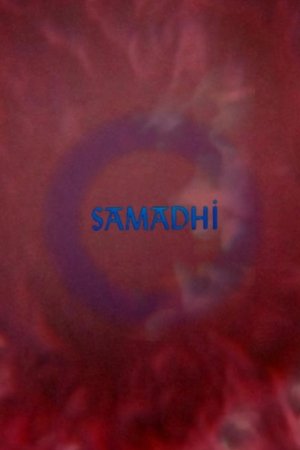
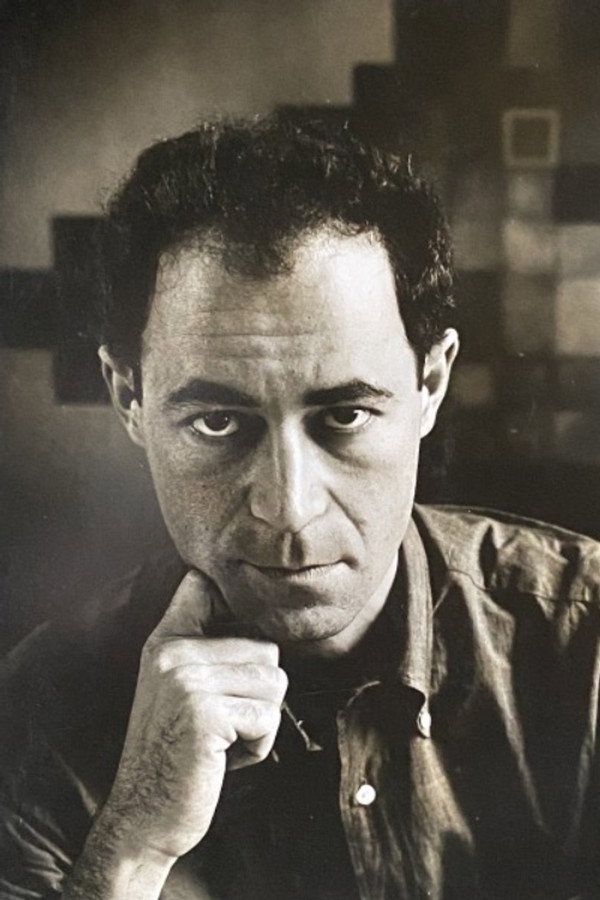
Samadhi is both mystical and mysterious, an incredible fusion of movement, sound and colour. Belson notes the influence of his study and practice of Yoga and Tibetan Buddhism on the creation of Samadhi. The film is inspired by the principles of yogic meditation: the movement of consciousness towards samadhi (union of subject and object), the fusion of atma (breath and mind), a state which reveals the divine force of kundalini, a bright white light we discover at the end of Samadhi. The Tibetan Book of The Dead is the inspiration behind Belson’s use of colour in Samadhi, corresponding to descriptions of the elements of Earth, Fire, Air and Water in the book. —Sophie Pinchetti, The Third Eye
I think that the happiness and survival of "Wynonna Earp"’s LGBTQ+ characters is incredibly refreshing in contrast to the prevalence of queer suffering and death in other television.
The clever but socially-awkward Tetê joins a new school, and she'll do anything to fit in.
Holiday hijinks ensue when a recently separated couple are both accidently invited to same holiday celebration.
Disney has a glaring and, up until recently, unaddressed issue that spans nearly its entire lifetime - an absence of diversity.
Renee Zellweger shines in this Judy Garland biopic, which highlights the pain and loneliness that so many famous women endure.
The plot could’ve really been interesting if the elements of lycanthropy was integrated with perhaps the struggle of identity of being LGBTQ+. It's an experience for so many that as they’re starting to realizing their true selves, they feel like a monster, especially if they come from unsupportive homes or communities. Instead, the horror and transformation elements seem thrown in without contemplation of how this could deepen the narrative.