
The Suicide Squad—An Overlooked and Underrated "Sequel"
Since Season 2 of Peacemaker is currently airing, let’s revisit the movie that started it all.

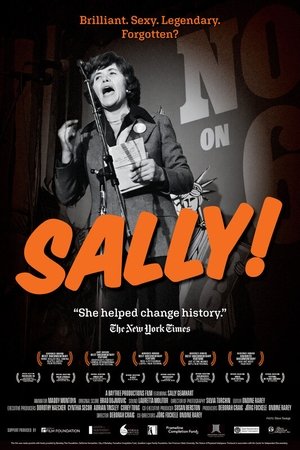


Sally Gearhart was a charismatic radical lesbian activist, author, and academic who spearheaded the 1970s and 80s lesbian feminist movement yet has been largely forgotten. But the film SALLY is not just a straightforward biography of this “hidden figure” deserving more recognition. It also shows the symbiotic relationship between spokeswomen like Sally and movements for social change, which are necessarily collective. And it highlights Sally’s captivating iconoclasm and contradictions: SALLY is both a wild lesbian safari and a timely and deeply moving meditation on the tensions inherent in revolutionary movements: ideological principles versus human realities, separatism versus mainstreaming, and throwing down the gauntlet versus reaching across the aisle. Ultimately, Sally and compatriots’ key contributions can help guide our current, urgent battles for social justice.
Since Season 2 of Peacemaker is currently airing, let’s revisit the movie that started it all.
Marvin Gaye's powerful music addresses the same themes as "Da 5 Bloods" and elevates the film to even greater heights.
A historic documentary about the iconic Disney character gives viewers a glimpse into animation.
I was able to sit down and talk with up and coming producer and director Ryan Polomski who talked about his latest project Raymond Lewis: LA Legend. It's a documentary about basketball star Raymond Lewis and here is what I found out.
When diverse representation is featured on-screen, it oftentimes comes with strings attached that undermine the message they were trying to send. This can be attributed to the fact that behind-the-screen, the industry primarily does not reflect the breadth of diverse difference that is present in daily life. That’s why when something as powerful and authentic as Minari comes along, it is both incredibly wonderful and needs a large audience to witness it.
Why did Māhū, a term once respected in Hawaiian culture, become so controversial?