











“Onward” and Upwards!
Ian and Barley embark on a quest to find a magical gem to restore their father back to life.

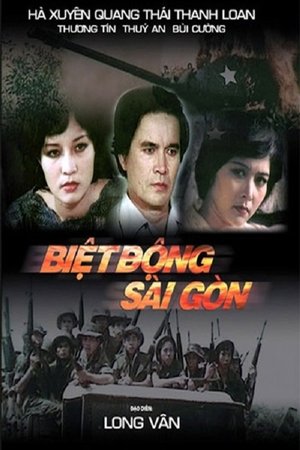


To keep up with his public guise, Tư Chung considers marriage with his "girlfriend" and tries to flatter some trust out of the CIA advisors who've been eyeing the pair, all the while following new orders to plan and launch an important offensive. The second part of a series based on a real-life organization involved in intelligence activities in South Vietnam before 1975.
Ian and Barley embark on a quest to find a magical gem to restore their father back to life.
Yes, Asia is actually quite a large hub for amazing horror films even to this day, some people just never notice! Well, I'm here to change that. It's time to not let those words at the bottom of the screen scare you but instead be scared by some of the best horror you never knew about.
Falling in love with 'Rocketman" all over again.
It is as bad as your remember, and you are fortunate if you've never watched it. Keep it that way!
If you are a discerning movie watcher and/or an African-American with a modicum of Black consciousness, this film isn’t for you. It would be better to watch the documentary ‘They Fight’ to see the impactful, emotional story of Walter Manigan and the young men of DC’s Ward 8.