

Dead Poets Society Steals a Queer Story
Dead Poets Society relies on patriarchal tropes such as overbearing fathers, contrived brotherhood, and faux-individuality in order to portray its straight white male characters as oppressed.
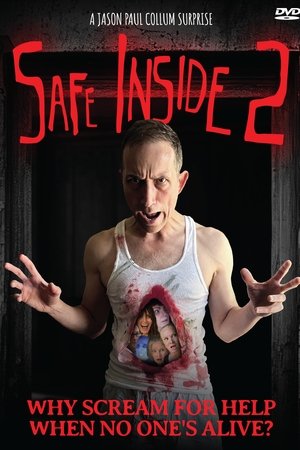


In the summer of 2017, three people died in this house. This summer there will be more. New tenant Gibbs and former resident Alex must figure out why the walls creak, bugs infest the property - and who's next. Newly separated from his wife, Gibbs (Determan) rents a home where, in the summer of 2017, JJ Tyler (Harder) seemingly lost his mind after the death of this mother, Crystal Lake (O'Dea). By the time police arrived several bodies had piled up and rumors the house was haunted began circulating among the neighborhood children. Now, as noises within the walls increase nightly, and bugs infest the property inside and out, Gibbs reaches out to former resident Alex (Vanderhoef) to reveal why the house may have a "life" of its own.
Dead Poets Society relies on patriarchal tropes such as overbearing fathers, contrived brotherhood, and faux-individuality in order to portray its straight white male characters as oppressed.
What starts off as a success story for a single mother living below the poverty line, slowly begins to weave itself into a tangled web of greed, guilt, and destruction.
The quiet ache of guilt sitting at the dinner table, the silence after a truth is buried, and the way pain is passed down like a name.
Women who pray together, play together. Very rarely would I describe a story about a group of punk rockers as “whimsical”, but such an engaging array of visual and comedic components make this stand-out new series the star that it is.
American Fiction is a genuinely entertaining film with a few lessons.
Religion, race and generations collide in this romantic comedy starring Jonah Hill