

Joyfully Chaotic, 'Why Don't You Play in Hell?' is a Must-See
If you enjoy Japanese cinema, absurdly violent action films, gangster flicks, or joyfully strange cinema, 'Why Don’t You Play in Hell?' is a must-see.




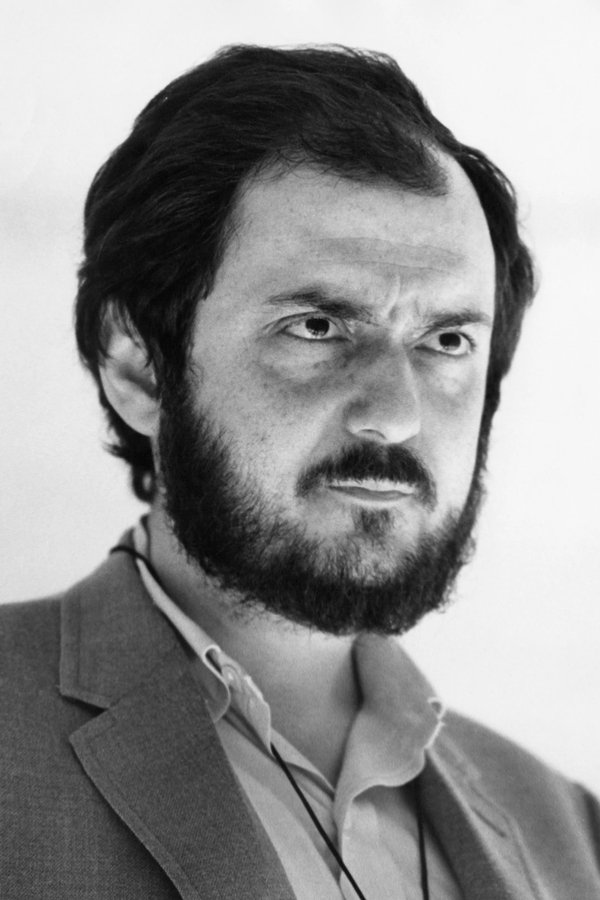
The incredible story of the Italian Emilio D'Alessandro, personal driver of the great director Stanley Kubrick (1928-1999), who met Emilio by chance in London in 1971 and hired him, thus establishing a deep friendship that lasted thirty years and helped create four masterpieces of cinema. A moving tale about two seemingly opposing people who found their ideal travel companion far away from home…
If you enjoy Japanese cinema, absurdly violent action films, gangster flicks, or joyfully strange cinema, 'Why Don’t You Play in Hell?' is a must-see.
With The Father, writer-director Florian Zeller- who wrote and developed the play upon which the film is based- pulls no punches as he confidently makes every effort to put the audience in the mind of someone whose grip on reality has all but vanished. It’s a dazzling testament to Zeller’s abilities as a director as he makes his first transition from stage to film appear as if he’s been working behind a camera his entire career. The dialogue he fashions with co-writer Christopher Hampton, along with the work of production designers Peter Francis and Cathy Featherstone, collectively makes the downward spiral of dementia startlingly tangible, doing so in a way that can be comprehended by everyone except the person it directly affects.
Though often underwhelming as a whole, Nevertheless is worth the watch because of the relationship between Sol and Jiwan. It is a stunning, refreshing take on the friends to lovers trope that LGBTQ media has been missing.
Emily and Stephanie are back... just add gin and drama.
'Hollywood Stargirl' (2022) is a teen romantic drama film that centers around the title character's experiences in Los Angeles. This film serves as the sequel to the 2020 film 'Stargirl', but unlike the previous film, the events in this movie are shown from the title character's perspective instead of Leo Borlock's.
When you first hear that there is a series on Netflix where the lead character’s wife dies from cancer and he becomes dangerously suicidal, you wouldn’t immediately assume that it’s a comedy.