








Juneteenth: Don’t Worry about Slavery, the White People Fixed It
Juneteenth is a day to commemorate the emancipation of enslaved people in the United States on June 19th, 1865. We did it! Everyone is free! Everyone is equal! End of story, right?
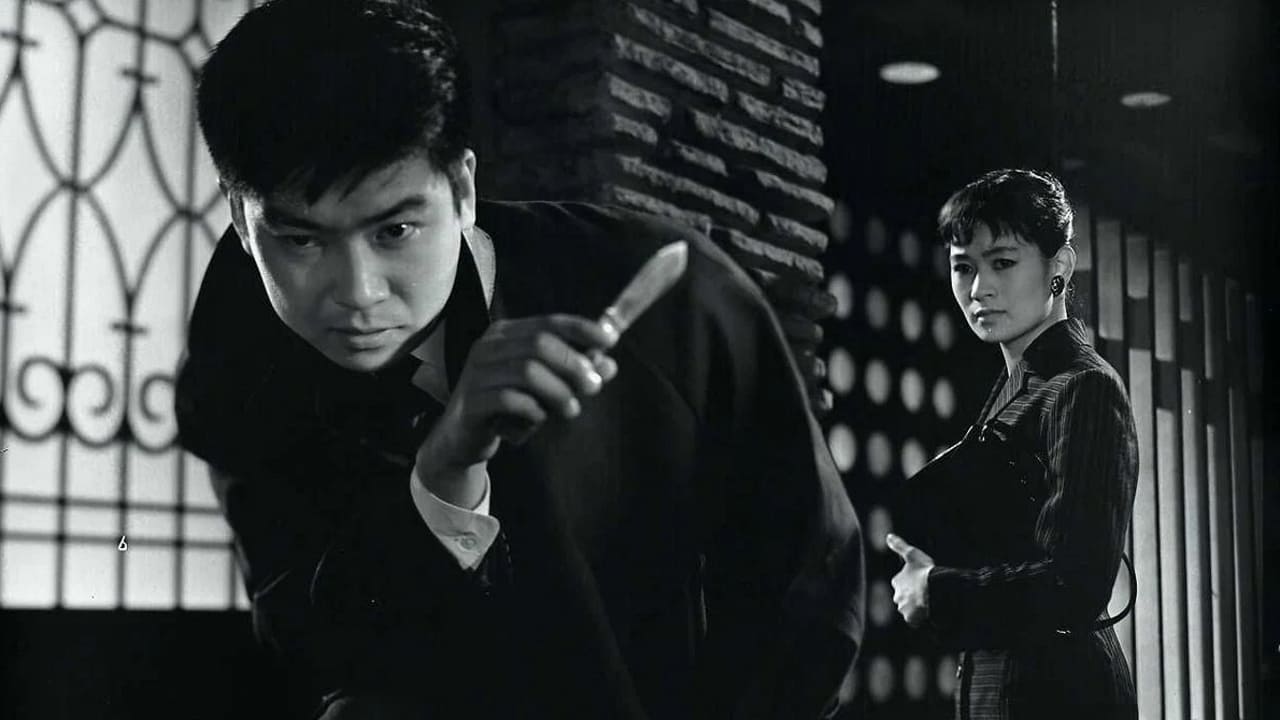



Udaka is a new, post-war city where corruption has already taken hold. A persistent district attorney wants to arrest and convict Katsumata, a laughing, self-confident thug. The D.A. gets an anonymous letter about the suicide five years' before of a city council member. Evidence about the case leads the D.A. to Tachibana, struggling to go straight after involvement with the mob and a prison sentence for killing the man responsible for the rape and suicide of his fiancée. One of Tachibana's friends is Keiko, the daughter of the dead councilman and the ward of another powerful official. How do these stories connect?
Juneteenth is a day to commemorate the emancipation of enslaved people in the United States on June 19th, 1865. We did it! Everyone is free! Everyone is equal! End of story, right?
The Invitation takes a creeping look at two simple premises: reuniting with forgotten friends and new-age spiritualism. Though one seems a bit scarier than the other, the film heightens social awkwardness to a macabre level that puts an uncomfortable look on when the social taboo of grief is put on public display.
Of all the many great people that have contributed to Hip-Hop and radio, I was fortunate enough to speak with James Rosseau, founder of The Corelink Solution, a nonprofit that owns and operates Holy Culture Radio.
Overall this movie was an easy watch, but by no means a worthwhile watch.
Monster's plot is built around Steve Harmon's false accessory to felony murder accusation, and the anxiety and desperation experienced by him during incarceration and the corresponding trial.
It’s 2021 and what few LGBTQ+ films that are produced by major film studios continue to star cisgender heterosexual actors, rather than actual LGBTQ+ people.