
“Sea Fever” Examines the Emotional Cost of Quarantine
While doing research on a fishing boat, a scientist encounters a parasite.
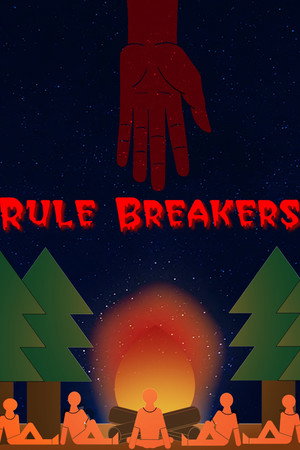


A group of college students go on vacation to a fancy Airbnb in the woods. When they enter, they are greeted with an ominous list of rules the group is supposed to follow.
While doing research on a fishing boat, a scientist encounters a parasite.
Cord Jefferson's hilarious and thought-provoking film continues a long-standing cinematic tradition, expanding the conversation around the impact of systemic racism in today's media.
It took writers D.B Weiss and David Benioff two years to give us a promising final season. Two. Years. It was just going to be six episodes, which was short considering that all the other seasons — except season 7 — were 10 episodes. 10. 6 wasn’t enough, and even HBO wanted to give the writers more episodes. More seasons, even. However, the writers wanted to get out of the show as quickly as possible to work on other projects. This abruptness is clearly shown in this season.
We sat down with Writer/Director Albert Acosta to discuss his debut short film, (ha-ha), Acosta's foray into narrative cinema, and how his personal experiences have shaped his filmmaking philosophy.
During the rise of fascism in Mussolini's Italy, a wooden boy brought magically to life struggles to live up to his father's expectations.
Documented human suffering is never easy to view or read about and is understandably triggering for many people, but it can be educational, and education is a key to change. An overwhelming amount queer people worldwide (and in my own country) have it far worse than I could imagine, and documentaries such as Welcome to Chechnya bring issues to light that certain groups of people would never see.