




Incluvie – Better diversity in movies.
Identity in film with Incluvie stamps, scores, reviews.

Incluvie – Better diversity in movies.
Explore identity in film with Incluvie stamps, scores, reviews, and insights.

trailer banner
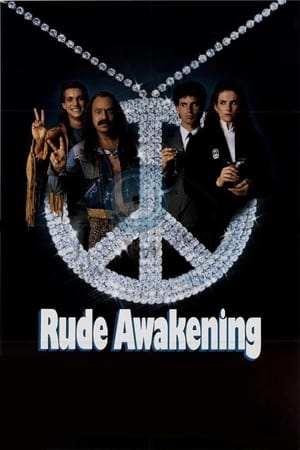
Rude Awakening poster

Rude Awakening (1989)

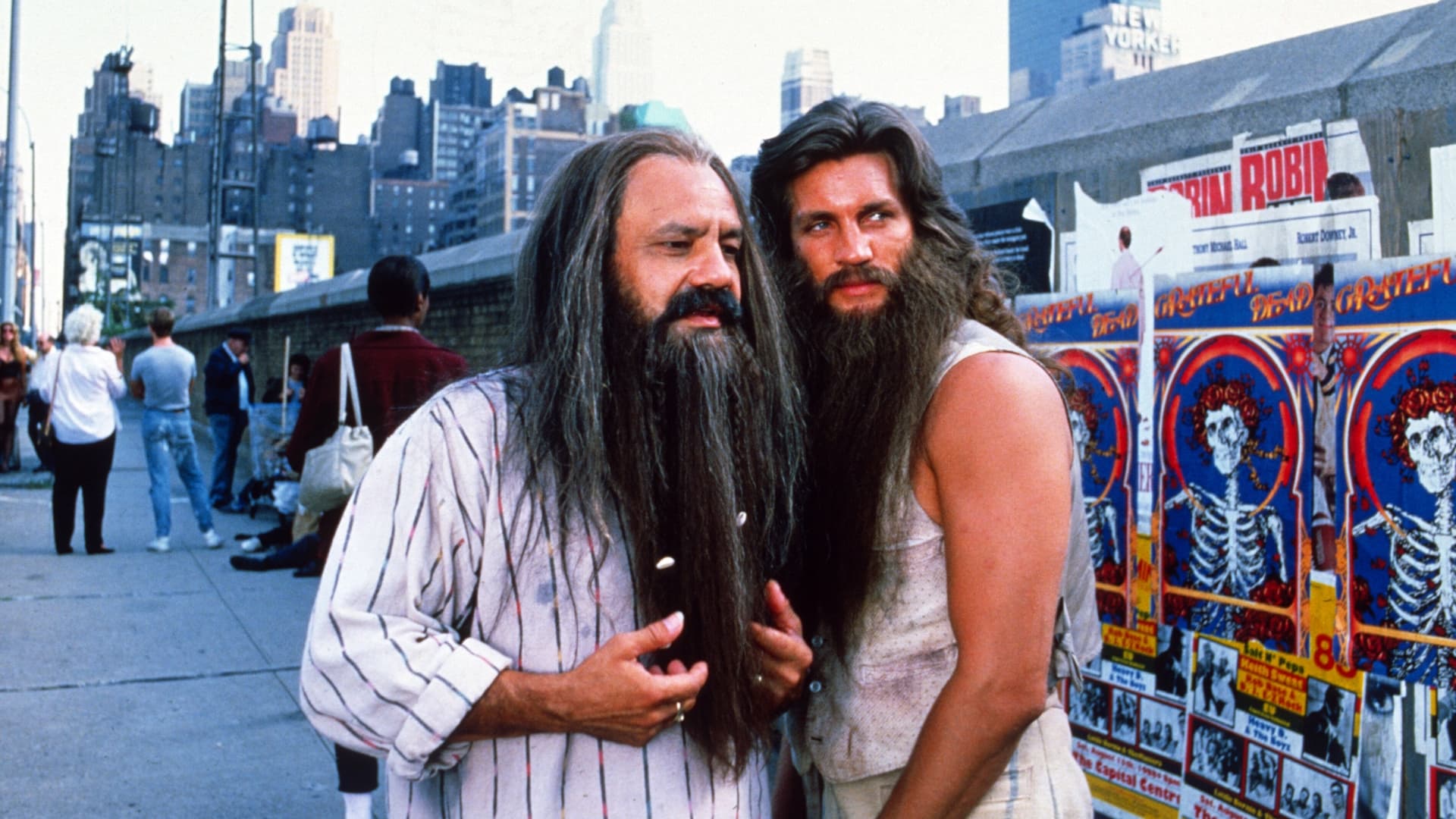
In the later 1960s, two hippies are forced to leave their friends as they are wanted by the FBI, who sees them as criminals. They hide in the jungle for 20 years, secluded from the outside world. In the later 1980s, the find out that a secret war is about to start in the US, and decide to return to New York to tell someone about it.
- / 5
PopScore
Representation

Pictures and Videos


Incluvie Gala

Movie Information


In the later 1960s, two hippies are forced to leave their friends as they are wanted by the FBI, who sees them as criminals. They hide in the jungle for 20 years, secluded from the outside world. In the later 1980s, the find out that a secret war is about to start in the US, and decide to return to New York to tell someone about it.

Rating:R
Genre:Comedy
Written By:Neil Levy, Richard LaGravenese
In Theaters:8/16/1989
Box Office:$3,169,719
Runtime:98 minutes
Studio:Aaron Russo Productions, Cineplex-Odeon Films

Articles You May Like


The Rise of a Kindhearted Comedy Hero: The Anti-Toxic Masculinity Message of Brendan Fraser Films

Throughout Brendan Fraser’s career, he has played a plethora of unique, layered characters who explore the importance of not being afraid to display your emotions, something that is often seen to not be a masculine trait. This idea of regulating emotion and what traits men are able to possess creates a toxic atmosphere for men who are often told they should not cry or represent their emotions in any physical way. These characters represent that men can be joyful, emotionally conscious, and sensitive, while also representing their masculine identity instead of painting those qualities as fighting against their masculinity.

Amanda Mazzillo

'The Half of it' Handles its Presented Social Issues Thoughtfully

The social issues The Half of it takes on are handled well, between the antagonization brought on to Ellie for her race and the conflict that arises from her being gay. Both aspects of her character are built up over the course of the film and don’t seem abrupt or rushed. The film shows racism towards Ellie and her and father in varying levels, from having her schoolmates specifically address her as "Chinese girl” to the fore mentioned way her Dad is treated due to language barriers. The same can be said about Ellie being a lesbian. While she never truly “comes out” in the narrative, that does not undermine her journey of self-discovery from being meaningful. These ideas aren’t thrust upon the viewer in a preachy manor, the scenarios that occur feel believable given the rural setting. The film presents watchers with problems whom those like Ellie may face, and leaves us to sit with them and reflect.

Andrea Amoroso