


The Last Duel: Examining Modern Rape Culture in Medieval Times
The Last Duel is about rape. Although the film delves into rape culture in medieval Europe, there are many striking similarities to modern rape culture.
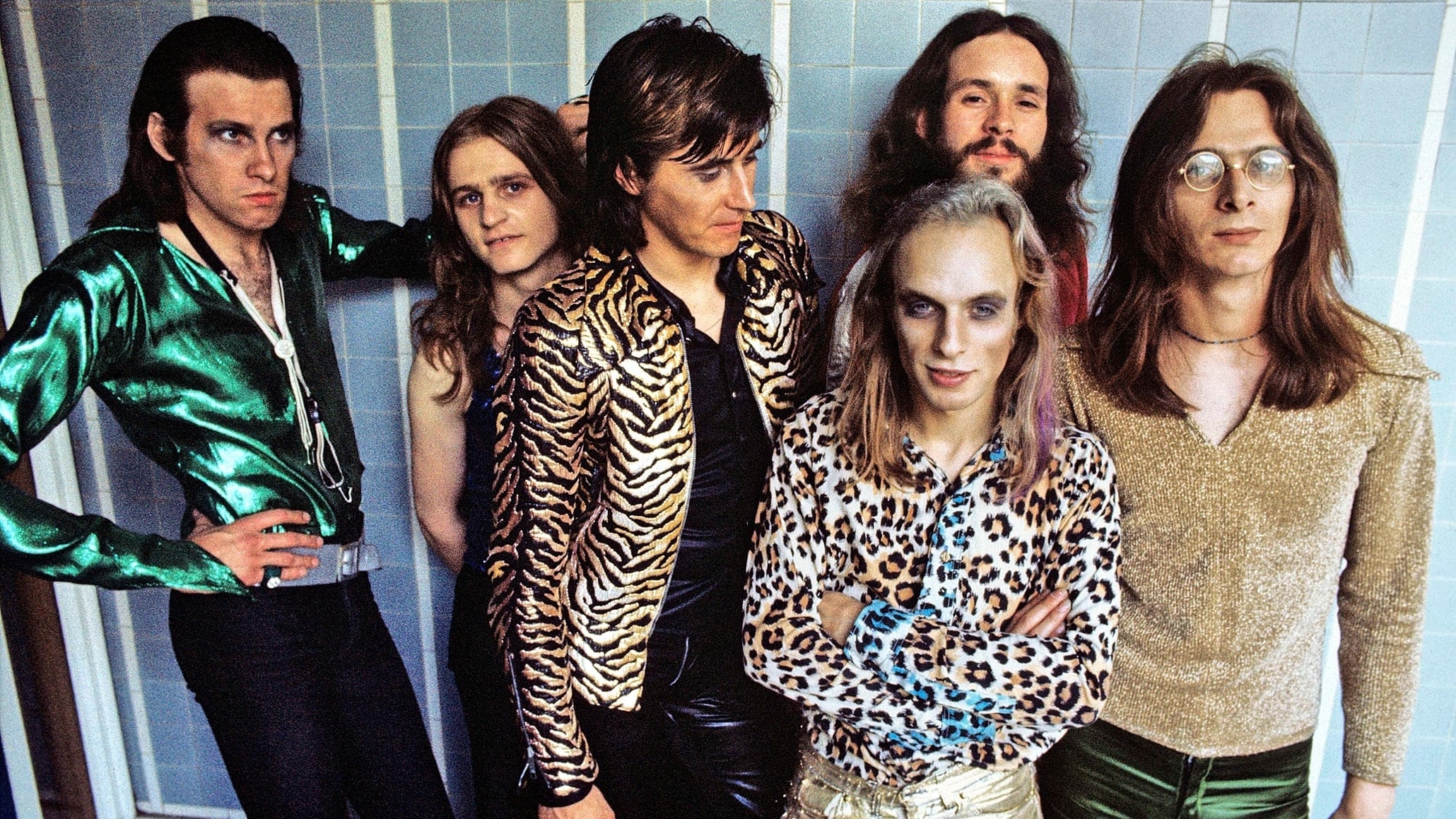
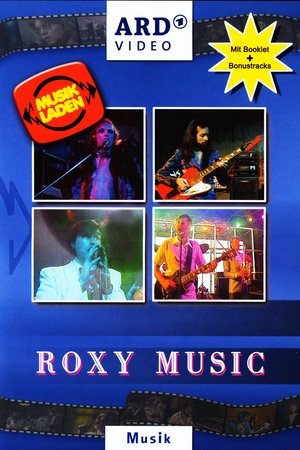


Roxy Music performing live on the Musikladen TV Show in May 1973, Bremen, Germany. Songs: Do the Strand / Editions of You /In Every Dream Home a Heartache / Remake/Remodel / Virginia Plain
The Last Duel is about rape. Although the film delves into rape culture in medieval Europe, there are many striking similarities to modern rape culture.
Strangers in a crowd, exchanging glances, looking away, continually managing to run into each other then part ways, end up at the same diner, find they've rented the exact same vehicles, and are then made to travel together to learn once more whether they can both find genuine adoration and companionship again. This really does, in so many words, sum up the foundational gist of of this new feature film from writer Seth Reiss ("The Menu") and director Kogonada ("The Acolyte", "After Yang"). Yet, it's all only the set-up for the REAL wonder of everything that happens before, during, and in the aftermath of a magical, meaningful journey.
The classic ghosts-in-revenge story expanded into an extensive dig into the historical social system while being funny and horny.
Although Christmas is a time of year for love and cheer for all, holiday cinema has not always represented diverse communities. Being a holiday with Christian origins, much of its media consists of straight white families or straight white romances. Luckily, modern years have been bringing with them plenty of POC and LGBTQ+ representation that the holidays so desperately need.
A decade since it aired, Shameless (U.S.) has always stuck to its guns (and baseball bats) about character diversity.
The Sandman features a plethora of LGBTQ+ characters and is openly expressive about it!